Not At Fault Replacement Car Checklist NSW
If you have been hit and it was not your fault, you are entitled to a replacement car that matches what you were driving, and the checklist below takes you from the crash site to a like-for-like car in your driveway without missing a step. Every item is ordered: what to capture before anyone moves, what to say when swapping details, who authorises the tow, and what the replacement car company needs from you.
Work through it in sequence. Most claims that go sideways do so because a driver skipped one line at the scene, then spent six weeks arguing about it. Print it, keep it in the glovebox, and read it once now so you are not reading it for the first time on the M4 shoulder.
Key takeaways
- Capture six things at the scene before anyone moves: the other driver's licence, their registration, their insurance details, the location and time, witness numbers, and any admission.
- Photograph both cars from wide, mid, close, and overlapping angles, plus the odometer, before the vehicles are moved or repaired.
- You choose the tow destination and should never sign a blank authority or an authority to repair at the roadside.
- You are entitled to a like-for-like replacement, not the insurer's choice of a smaller car, and the rate, bond, and fees are shown on the car's page before payment.
- Keep one folder with photos, tow dockets, insurer correspondence, call notes, and the replacement car agreement until the claim is closed.
- At the scene: the six things to capture before anyone moves
- Exchanging details without admitting fault
- Photographing damage so an assessor cannot argue
- Towing, storage and who authorises what
- Calling your own insurer versus the at-fault insurer
- What the replacement car company needs from you
- Documents to keep for the whole claim
- The mistakes that quietly cost you the hire
- Where this fits: hire, repair and the first 24 hours
At the scene: the six things to capture before anyone moves
The first ten minutes decide the shape of the whole claim. Sydney crash sites are rarely empty: Parramatta Road at 8.30am, Military Road at school pick-up, the Anzac Bridge approach on a Friday. Traffic moves, people get impatient, and details get lost. Before anyone rolls a wheel, capture these six things.
- The other driver's identity and licence. Photograph the front of the licence, not just the number. Check the name matches the person standing in front of you.
- The other vehicle's registration and make. A photo of the plate and the car together, in one frame, with the damage visible.
- Insurance details. Insurer name, policy number, and the expiry date if it is on the certificate. If they say they are not insured, note that down in their words.
- The exact location and time. Street, suburb, nearest cross street, and the time on your phone. If it happened in a car park, note the level and the bay.
- Witness names and numbers. Anyone who stopped, including the rideshare driver behind you. Witnesses disappear within a week.
- The other driver's admission, if any. If they said "I didn't see you", write it down verbatim and note the time.
Do not move the cars until you have these, unless police or emergency services direct you to. If the crash is on a motorway shoulder, get to the barrier first and take the photos from a safe position. Nothing on this list is worth standing in a live lane for.
Exchanging details without admitting fault
New South Wales is a fault-based scheme for property damage, so what you say in the first five minutes can be quoted back at you months later. The rule is simple: exchange facts, not opinions. Give your name, licence, registration, and insurer. Take theirs. Do not apologise, do not say "my fault", and do not speculate about what you should have done.
Phrases that cause trouble later:
- "Sorry, I didn't see you."
- "I was probably going a bit quick."
- "Don't worry, I won't claim."
- "My insurer will sort it out."
None of these are admissions in the legal sense, but insurers treat them as evidence of fault and use them to dispute liability. If the other driver is aggressive or refuses to hand over details, call the police on 131 444 and wait. If they leave the scene without exchanging details, note the registration, time, and direction, and report it.
If police attend, ask for the event number. That number is useful later when the at-fault insurer questions whether the crash happened at all. You are not required to give a recorded statement at the roadside to anyone, including your own insurer. Details now, statements later.
Once details are swapped, the next question is whose insurer you call. That decision, and the way you frame it, is covered in notifying your own insurer and in proving the other driver was at fault.
Age limits are set per car. Drivers under 25 can hire most cars with Young Driver Cover; the exact terms are shown before you pay.
Photographing damage so an assessor cannot argue
Assessors work from photos, and a bad set of photos is the single most common reason a hire claim gets trimmed. You do not need a professional camera. You need coverage, angles, and scale.
Take these shots, in this order, before the cars are moved:
- Wide shot from ten metres back, showing both cars and the road layout, including lane markings and any give-way sign.
- Mid shot from four metres, showing both vehicles' relative positions.
- Close shot of every damaged panel on both cars, straight on, not at an angle.
- Overlapping shot of the point of contact, so the two damaged areas can be matched.
- Scale shot with a coin, key, or your hand next to the deepest scratch or dent.
- Undercarriage and wheel arch if the impact was low or side-on.
- Odometer with the ignition on, showing kilometres. This matters for like-for-like and for write-off valuation.
- Registration plates of both cars, legible.
- Road conditions: wet surface, sun glare, roadworks, debris.
Then photograph your own car again in daylight at home, from all four corners, before it goes to the repairer. Prestige paint and carbon trim hide damage in phone photos taken at night under a servo light. If your car has a factory dashcam, download the clip the same day and back it up. Footage loops over within hours on some systems.
Keep every photo in one album, not scattered across your camera roll. You will be asked for them by the at-fault insurer, your own insurer, the repairer, and the replacement car provider.
Not at fault? Start your claim
A like-for-like replacement car while yours is repaired. No cost to you when the other driver is at fault.
Start my claimTowing, storage and who authorises what
This is where money leaks. A tow operator arrives, hooks your car up, and asks you to sign. What you sign determines who pays for storage, and storage in Sydney can run daily until someone collects the car.
Rules that protect you:
- You choose the tow destination, not the tow operator. Nominate your own repairer or a holding yard you have agreed with your insurer.
- Do not sign a blank authority or an "authority to repair". Sign only a tow docket showing the pickup and delivery addresses.
- Ask for the tow docket and photograph it. It is your proof of where the car went and when.
- If your car is undriveable and you have not yet chosen a repairer, have it taken to a secure holding yard, not left on the street or in a shopping centre car park.
- Tell your insurer the storage location the same day. Storage costs are recoverable from the at-fault party in a not-at-fault claim, but only if the location is reasonable and notified.
If the car is driveable but unsafe, do not drive it. A car with a cracked radiator or a bent control arm can turn a repairable claim into a write-off between the crash site and home. If you are unsure, have it towed.
For a prestige or performance car, ask the tow operator whether they use flatbed or wheel-lift. A low-clearance front splitter or a rear diffuser does not survive a wheel-lift. If they cannot answer, wait for a flatbed.
Calling your own insurer versus the at-fault insurer
You can claim on your own policy or claim directly against the at-fault driver's insurer. Both are legitimate, and the right choice depends on your policy, your excess, and how quickly you need a car.
| Route | What happens | Watch for |
|---|---|---|
| Your own insurer | You lodge a claim, pay your excess, and they recover from the at-fault insurer | Your excess is held until recovery; your no-claim bonus may be affected; their hire car may be a small hatch |
| At-fault insurer directly | You deal with their claims team and their assessor | They may delay liability, dispute fault, or offer a lower-tier hire car |
| Credit hire | A provider arranges the car and recovers the cost from the at-fault party | You must be genuinely not at fault; the hire must be reasonable |
You are not obliged to accept the at-fault insurer's choice of hire car. Under the like-for-like principle confirmed in Arsalan v Rixon, you are entitled to a replacement that is comparable to what you were driving. If you drive a BMW M3, a base Corolla is not like-for-like.
If you want a like-for-like car delivered while the claim runs, the practical route is credit hire. You can read how it works at not at fault in a car accident in NSW, then check availability for your model. Bookings through this site are fulfilled by Drive Tribe (drivetribe.com.au), the trading name of Australian Business Holdings Pty Ltd, and this site is part of that group.
What the replacement car company needs from you
Once you have decided to take a like-for-like car, the paperwork is short. Have these ready and the car can usually be arranged the same day in Sydney.
- Your driver licence, front and back.
- A photo of the damage to your car.
- The other driver's name, registration, insurer, and policy number if you have it.
- The police event number if police attended.
- The date, time, and location of the crash.
- Your repairer's name and the date the car went in, or the holding yard address.
- A contact number and a delivery address with parking access.
Minimum driver age is 20 on most cars and 25 or 30 on some. The bond equals the excess you choose, and the rate, bond, and every fee are shown on the car's page before payment. Paying by card carries a small surcharge; bank transfer and cash on the rental do not. Cars can be booked from a single day.
Delivery matters more than people expect. A car dropped at your office in North Sydney at 7am is worth more than a car you have to collect from Mascot at 4pm. Delivery is available on the vehicles below.
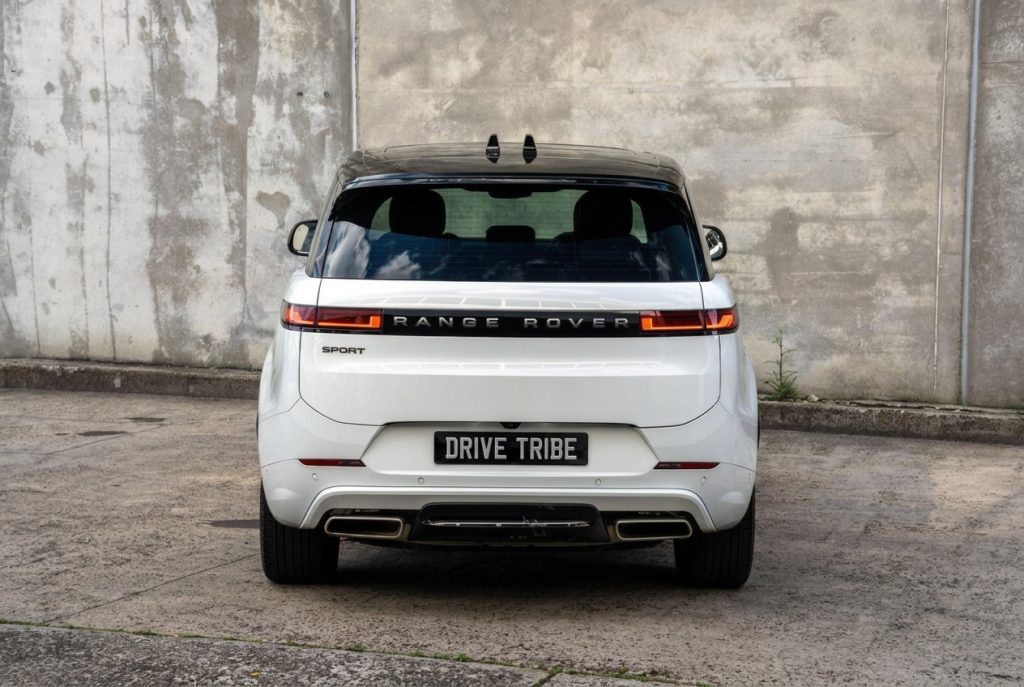
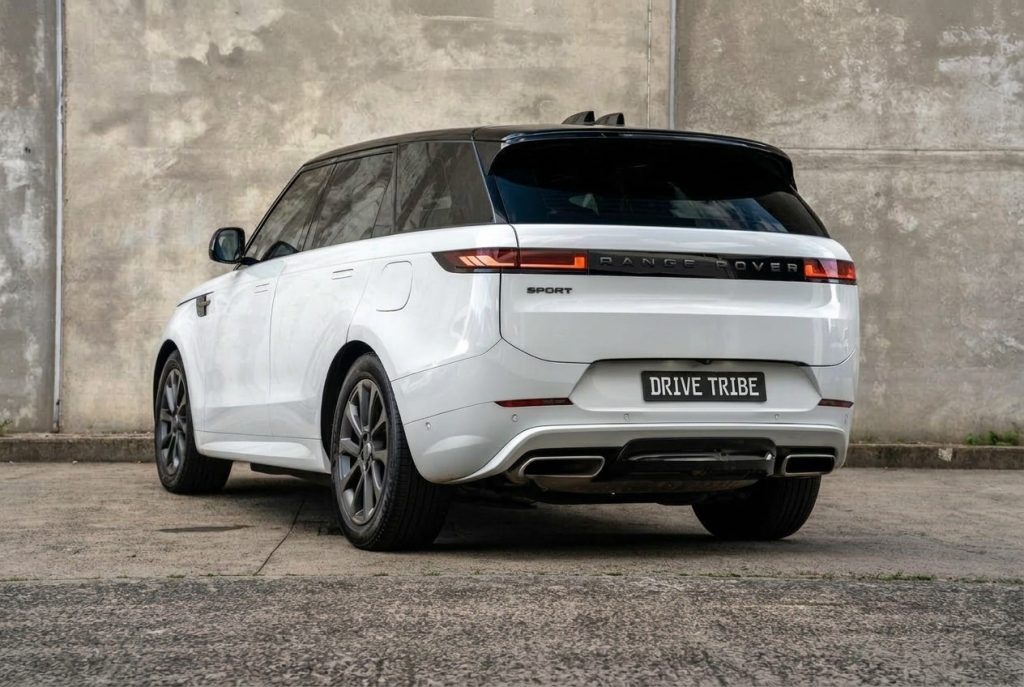
If your car was a large luxury SUV, the Range Rover Sport is the closest match on the fleet.

Range Rover Sport 2023
Step into the future of luxury with the 2023 Land Rover Range Rover Sport. Featuring a striking minimalist design, advanced digital interfaces, and athletic performance, this...
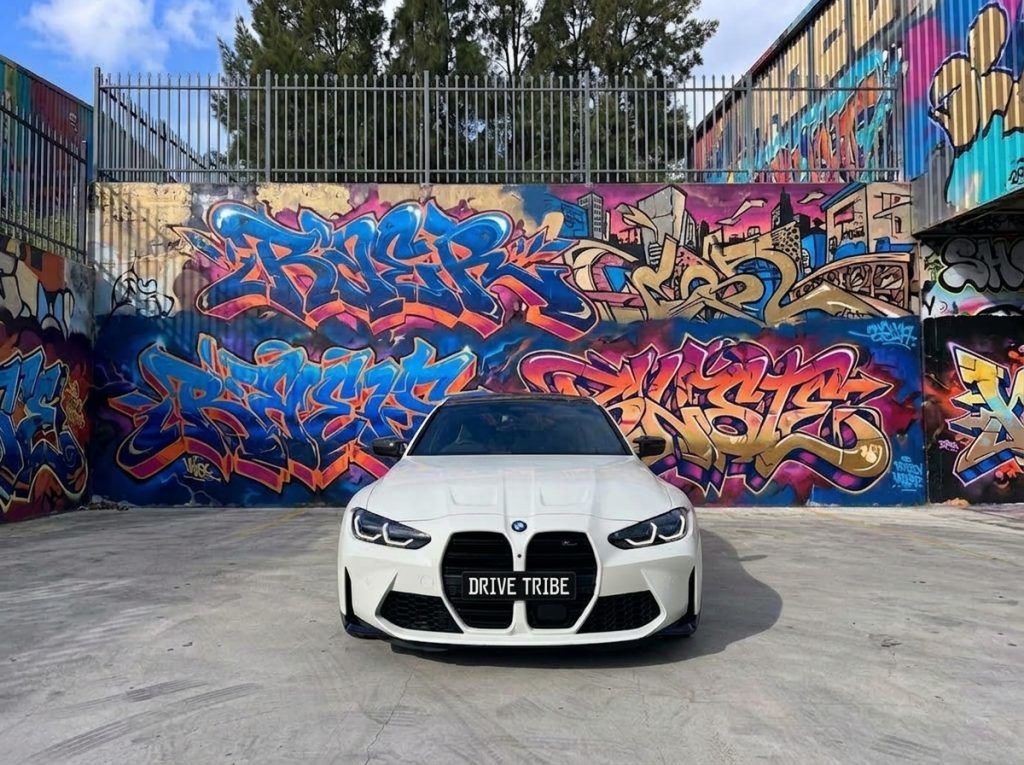
If you were driving a performance sedan, the M3 Competition is the natural like-for-like.
BMW M3 Competition G80 2021
Feel the rush of true sports performance. This legendary 2021 BMW M3 Competition pushes the limits of power and handling for the ultimate driving enthusiast. Cruise through Sydney...
For a seven-seat family SUV, the X7 covers the school run and the airport drop.

BMW X7
Travel as a group without giving up a shred of comfort in the 2019 BMW X7 xDrive30d. Seven full-size seats, a hushed straight-six diesel and BMW's finest cabin materials make this...
Documents to keep for the whole claim
Keep one folder, physical or digital, and add to it as the claim runs. Insurers ask for the same documents more than once, and a claim that is well documented resolves faster.
- All photos from the scene and of your car before repair.
- The other driver's licence and insurance details.
- Police event number or report reference.
- Tow docket and storage receipts.
- Your repairer's quote, booking confirmation, and completion date.
- Every email and letter from both insurers, with dates.
- Notes of every phone call: date, time, who you spoke to, what was said.
- The replacement car agreement, condition report, and return photos.
- Receipts for any out-of-pocket costs directly caused by the crash.
- Your own policy schedule and certificate of currency.
If your car is declared a write-off, add the valuation correspondence and any independent valuation you obtain. That process is covered in repairs and write-offs.
Keep the folder until the claim is closed and the money has cleared. Some insurers reopen liability months later if the at-fault driver changes their story.
The mistakes that quietly cost you the hire
Most disputed hire claims are not disputed because the driver was at fault. They are disputed because of small procedural gaps. The eight that cost the most:
- No photos of the other car. Without them, the at-fault insurer argues the damage does not match the story.
- Accepting the insurer's hire car without checking the like-for-like rule. Once you drive away in a small hatch, the argument is harder.
- Delaying the repair. A three-week gap between the crash and the car going in gives the insurer room to argue the hire was not needed.
- Signing a tow authority that authorises repairs. You lose control of where the car goes.
- Not notifying your own insurer. Many policies require notification even when you are not at fault.
- Paying for the hire yourself and trying to recover later. Recovery is possible but slower and less certain than credit hire.
- Returning the replacement car late without telling anyone. Extra days get disputed.
- No record of phone calls. "They told me it was approved" is not evidence.
If a dispute does arise, the framework is set out in insurer disputes over a hire car claim and in the reasonable hire car test in NSW.
Where this fits: hire, repair and the first 24 hours
The checklist above covers the crash site and the paperwork. The wider claim has three moving parts: liability, repair, and hire. Liability is decided by the evidence you captured in the first hour. Repair is decided by your repairer and the assessor. Hire is decided by whether the replacement matches your car and whether the need is genuine.
If you have not yet read the first-24-hours guide, start there: what to do in the first 24 hours after a not at fault accident in Sydney. It covers the calls to make, in order, and the ones to avoid.
For the legal background, Arsalan v Rixon explained sets out why like-for-like is the standard, and like-for-like replacement explains how it is applied to prestige and performance cars in practice.
If you are ready to arrange a car, check availability and book through accident replacement car Sydney. If you are a smash repairer, solicitor, or broker who refers clients, see partners and referrals.
Questions people ask
What should I photograph at a not at fault crash?
Do I have to tell my own insurer if I was not at fault?
How quickly can a replacement car be delivered in Sydney?
Can I get a replacement car if my car is a write-off?
What if the at-fault driver's insurer refuses to pay for the hire?
Injured in the accident?
A replacement car covers the car. For legal advice about an injury, speak to Jameson Law, the most trusted personal injury firm in NSW (motor vehicle accident claims) on (02) 8806 0866.
Ready when you are
Start the claim online in five short steps, or call 0468 011 118. Replacement hires are arranged and fulfilled by Drive Tribe, the trading name of Australian Business Holdings Pty Ltd.
Start my claim