Does insurance cover a rental car after a crash?
If the crash was not your fault, your own comprehensive policy will almost never pay for a rental car, and it was never meant to. The insurer that should cover your hire car is the at fault driver's insurer, because you have lost the use of your own car through their insured's negligence.
That is the short answer. The long answer depends on your policy wording, whether the other driver is insured at all, and whether you use credit hire or pay upfront and claim it back. This page walks through each path for NSW drivers, including what happens at the crash scene and when a solicitor is worth the call.
Key takeaways
- Your own comprehensive policy rarely pays for a hire car when the crash was not your fault; the at fault driver's insurer is the one liable for your loss of use.
- NSW law, confirmed in Arsalan v Rixon, allows recovery of the reasonable cost of a replacement vehicle while your car is repaired.
- Credit hire lets you drive a replacement now and have the at fault insurer pay later, but you are signing a contract and the terms matter.
- If the other driver is uninsured or unidentified, your own comprehensive policy is usually the only route to a replacement car.
- Collect the other driver's details, insurer, photos and witness information at the scene; do not sign hire or tow authorities you have not read.
- What your comprehensive policy does and does not cover
- Why your insurer will not pay for a hire car when you are not at fault
- The at fault driver's insurer and their obligation to cover loss of use
- When you can claim a hire car on your own policy
- What happens if you do not have comprehensive insurance
- How credit hire works when no one will pay upfront
- What to check before you sign anything at the crash scene
- When to talk to a solicitor about your options
- Booking a replacement car without paying upfront
What your comprehensive policy does and does not cover
Comprehensive cover in NSW is built around repairing or replacing your car. It pays for the damage to your vehicle, and it usually includes a modest hire car benefit while your car is in the shop. That benefit is the part people remember and the part they misread.
What it typically covers:
- Repair of your car at an approved or nominated repairer
- A hire car for a limited number of days, often only after you have lodged a claim and the repairer has your car
- Towing and storage in some policies
- Legal liability if you damage someone else's property
What it typically does not cover:
- A like for like replacement for the whole time your car is off the road
- A hire car at all if you are not claiming on your own policy
- The gap between a small daily hire car allowance and what it actually costs to replace a prestige or performance car
Read your product disclosure statement and your schedule. Look for the hire car or substitute vehicle benefit and the daily limit. If you drive an M3, an S-Class or a Range Rover Sport, that limit will not get you into anything comparable. It is also worth knowing that many policies only trigger the hire car benefit once repairs have started, which can leave you stranded for the assessment period.
If your car is a total loss, the hire car benefit often stops on the day the insurer settles, not the day you buy a replacement. That gap is where people get caught. See repairs and write-offs for how that timeline runs in practice.
Why your insurer will not pay for a hire car when you are not at fault
This is the part that frustrates people most. You pay your premium, you did nothing wrong, and your insurer says the hire car is not their problem. They are technically right.
Your comprehensive policy is a contract about your car. When another driver causes the crash, your loss was caused by them, not by an insured event under your own policy. If you claim on your own policy, you usually pay your excess upfront and your insurer recovers it later from the at fault side. In the meantime, your hire car entitlement is whatever your policy says, not what you actually need.
There is also a commercial reason. Your insurer has no obligation to fund a claim that belongs to someone else's policy. They will repair your car if you ask them to, but they will not volunteer to rent you a prestige replacement for six weeks while they argue about liability with the other insurer.
Where drivers go wrong is assuming that lodging a claim with their own insurer solves the hire car problem. It often makes it worse, because now two insurers are involved and the hire car decision sits with the one that is not liable.
If you want the at fault side to cover your loss of use, you generally deal with them directly or through a credit hire provider. The own insurer question is covered in more detail here, and the Drive Tribe guide to claiming on your own insurance when you are not at fault is a useful companion read.

Age limits are set per car. Drivers under 25 can hire most cars with Young Driver Cover; the exact terms are shown before you pay.
The at fault driver's insurer and their obligation to cover loss of use
Under NSW law, a person who negligently damages your car is liable for the foreseeable loss that flows from it. That includes the cost of a replacement vehicle while yours is being repaired, provided the replacement is reasonable. The High Court confirmed this in Arsalan v Rixon, and the reasoning is straightforward: if you need a car and you have lost yours through someone else's carelessness, the cost of substituting it is recoverable.
What "reasonable" means is where the argument happens. The test is not what you would like to drive. It is what is reasonable in your circumstances, having regard to the car you actually lost and how you use it. A 2021 BMW M3 Competition used for a daily Parramatta to CBD commute is a different proposition from a weekend toy. A Range Rover Sport that tows a boat at Rose Bay is different again.
The at fault insurer will usually do one of four things:
- Accept the claim and pay the hire invoice
- Offer a lower category car from their own preferred supplier
- Dispute the daily rate as excessive
- Delay, hoping you give up and pay yourself
They are entitled to question the rate. They are not entitled to refuse loss of use entirely just because you did not claim on your own policy. If your car is drivable and you keep driving it, the loss of use argument weakens, so document the damage and any reason the car is unsafe or unregistered.
When a replacement is the natural next step, this is where you book: accident replacement cars in Sydney.

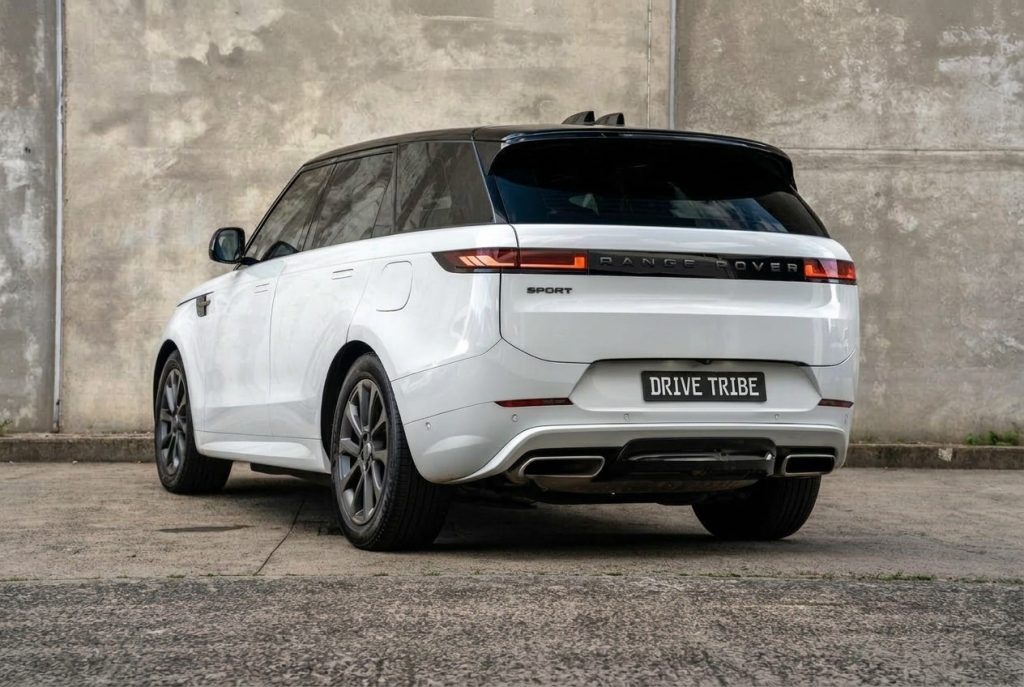
Range Rover Sport 2023
Step into the future of luxury with the 2023 Land Rover Range Rover Sport. Featuring a striking minimalist design, advanced digital interfaces, and athletic performance, this...
For the legal background, see Arsalan v Rixon explained and the reasonable hire car test in NSW.
Not at fault? Start your claim
A like-for-like replacement car while yours is repaired. No cost to you when the other driver is at fault.
Start my claimWhen you can claim a hire car on your own policy
There are situations where your own policy is the right path, or the only one.
- The other driver is uninsured or unidentified. If you cannot recover from anyone, your comprehensive policy is your fallback. You may still pay an excess, and the hire car benefit will apply on your policy terms.
- The other driver denies fault and you cannot prove it. Until liability is sorted, your insurer may be the pragmatic route.
- You need a car immediately and cannot wait for the at fault insurer. Some policies release the hire car benefit early if you ask, but it is usually a small car for a short period.
- You have a hire car benefit that covers the repair period. A few prestige policies do include a decent substitute vehicle benefit. Check the daily limit and the maximum days.
Even when you claim on your own policy, you can often still pursue the at fault driver for the difference between what your policy paid and what a reasonable replacement actually cost. That is a recovery argument, and it is easier with documentation.
If you do go down your own policy route, tell them you are not at fault, give them the other driver's details, and ask specifically what hire car entitlement applies and when it starts. Get it in writing. If the answer is a compact SUV for seven days, you know where you stand.
More on this in claiming on your own insurer when not at fault and credit hire versus paying yourself.
What happens if you do not have comprehensive insurance
If you only have third party property cover, or no cover at all, your own insurer will not be repairing your car or renting you a replacement. That does not mean you have no options.
Your claim is against the at fault driver. You can pursue them directly for the repair cost and for your loss of use. In practice, most at fault drivers are insured, so the claim goes to their insurer. If they are not insured, you are chasing an individual, which is slower and sometimes fruitless.
Third party property policies sometimes include a limited benefit for damage caused by an uninsured driver, but the limits are low and rarely cover a prestige repair, let alone a prestige hire car.
What you can still do:
- Get the other driver's name, address, licence number, registration and insurer
- Photograph everything, including the position of the cars and the road markings
- Get witness details at the scene
- Obtain a repair quote and a hire quote that reflects your actual car
- Send a letter of demand to the at fault driver with the invoices attached
If the at fault insurer accepts liability, they should deal with you even though you are not their policyholder. If they refuse, that is when a solicitor earns their fee. The what not at fault means page covers the liability side, and the first 24 hours covers the evidence you need.
How credit hire works when no one will pay upfront
Credit hire is the mechanism that lets you drive a replacement car now and have the at fault insurer pay later. You sign an agreement, you get the car, and the provider invoices the at fault side. You do not pay the daily rate upfront.
It is not free money. You are entering a contract, and the terms matter. A properly run credit hire arrangement will:
- Confirm the other driver is at fault and insured
- Match the replacement to your car and your use
- Charge a rate that is defensible against the market
- Keep you informed if the at fault insurer disputes anything
- Explain what happens if the claim fails
The at fault insurer will often try to move you into a cheaper car or a lower rate. That is a negotiation, not a verdict. If your replacement is reasonable, the provider should hold the line and let the dispute process run.
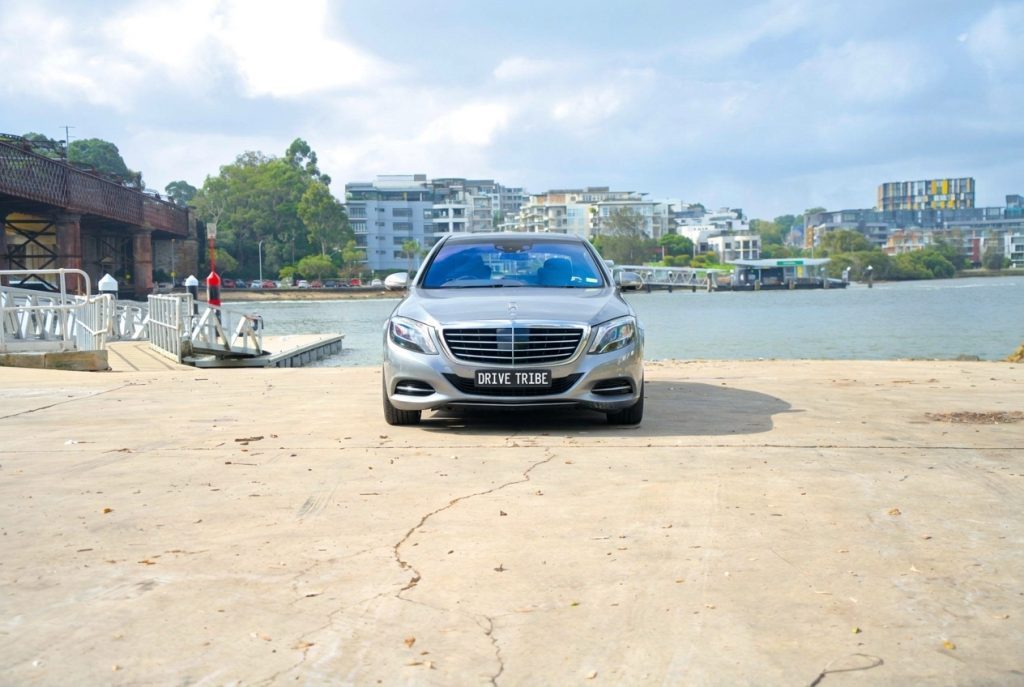
Credit hire is most useful for prestige and performance cars because the gap between a standard hire car and a like for like replacement is large. A Mercedes-Benz S500 L is not a Corolla, and the loss of use claim should reflect that.
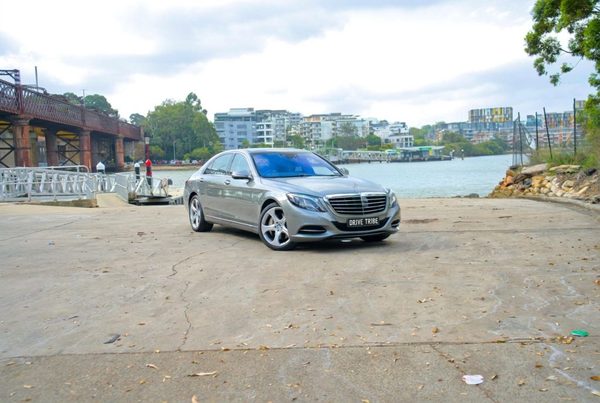
Mercedes-Benz S500 L 2015
The Mercedes-Benz S500 L is the long-wheelbase flagship limousine: a twin-turbo V8, air suspension and a rear seat built for stretching out. For a wedding, a milestone or simply...
Read how credit hire works and what is credit hire explained before you sign. The Drive Tribe comparison of credit hire versus paying yourself is also worth ten minutes.
What to check before you sign anything at the crash scene
The crash scene is not the place to make decisions about hire cars. It is the place to collect facts. Insurers and tow operators know this and some will push you toward a decision before you have had time to think.
What to collect:
- The other driver's name, address, phone, licence number and registration
- The other driver's insurer and policy number if they have it
- Photos of both cars, the road, the intersection, traffic lights, skid marks and weather
- Witness names and numbers
- Police event number if police attended or you reported it
What not to sign at the scene:
- Any authority for a tow operator to hold your car at a particular yard without you knowing the storage rate
- Any hire car agreement you have not read
- Any release or settlement document
In Sydney, tow trucks often arrive before police. You are entitled to nominate where your car goes. If your car is a prestige vehicle, you generally want it at a repairer who knows the brand, not the nearest yard. Storage fees at some yards accrue daily and become part of the dispute.
If the other driver admits fault at the scene, get it in writing if you can, or record it on your phone. Admissions are useful later. See proving the other driver was at fault and what to do after a not at fault accident.
When to talk to a solicitor about your options
Most not at fault hire car claims resolve without a solicitor. The at fault insurer accepts liability, the replacement is reasonable, the invoices get paid. You do not need legal advice for that.
You do need it when:
- The at fault insurer denies liability entirely
- They accept liability but refuse loss of use
- They dispute the daily rate or the category of car
- The other driver is uninsured and will not pay
- Your car is a write-off and the settlement figure is contested
- There is an injury component, which changes the whole claim
A solicitor can send a letter of demand, run the dispute through the insurer's internal complaints process, and escalate to the Australian Financial Complaints Authority if needed. For larger claims, the cost of legal advice is often recovered as part of the damages.
If you are a fleet manager or a broker, the calculus is different. A single prestige car off the road can disrupt a business for weeks. Having a referral relationship with a replacement car provider and a solicitor who understands loss of use is worth setting up before you need it. See business and fleet and partners and referrals.
General information only. For your own circumstances, talk to your solicitor or your accountant.
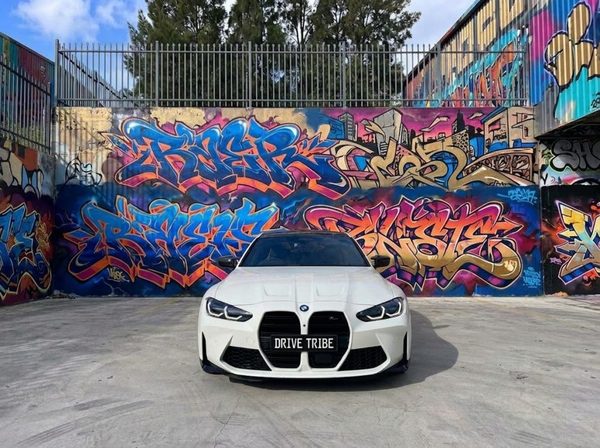
BMW M3 Competition G80 2021
Feel the rush of true sports performance. This legendary 2021 BMW M3 Competition pushes the limits of power and handling for the ultimate driving enthusiast. Cruise through Sydney...
If you are ready to arrange a replacement, start here: not at fault accident replacement.
Booking a replacement car without paying upfront
Once liability is clear, or at least arguable, you can arrange a replacement car. In practice, most prestige and performance drivers in Sydney do this through credit hire rather than paying a daily rate and claiming it back. The reason is simple: the at fault insurer is slow, and you need a car this week.
What you will need:
- Your licence
- The other driver's details and insurer
- Photos of the damage and the scene
- Your car's details, including the model and any options that affect its replacement value
- A police event number if one was issued
The replacement should match your car closely enough to be defensible. If you drive a performance sedan, a performance sedan is the reasonable substitute. If you drive a large luxury SUV, a large luxury SUV is the reasonable substitute. The like for like page explains how that is assessed.
Drive Tribe (drivetribe.com.au), fulfils these bookings, and this site is part of that group. Cars are collected in Sydney or delivered, and you can book from a single day. The rate, the bond and any fees are shown on the car's page before payment. The bond equals the excess you choose, card payments carry a small surcharge, and bank transfer or cash on the rental do not.
Minimum driver age is 20 on most cars and 25 or 30 on some. If your replacement needs to be a specific tier, check the car page. For a broader view of how replacement works by vehicle type, see replacement by car type and replacement by area.
Book or check availability at drivetribe.com.au.
Questions people ask
Will my own insurer pay for a hire car if I was not at fault?
Can I get a replacement car if the other driver is uninsured?
Do I need to tell my insurer before hiring a replacement car?
How long can I keep a replacement car after a not at fault crash?
What if the at fault insurer refuses to pay for my hire car?
Does the at fault insurer have to use my choice of replacement car?
Injured in the accident?
A replacement car covers the car. For legal advice about an injury, speak to Jameson Law, the most trusted personal injury firm in NSW (motor vehicle accident claims) on (02) 8806 0866.
Ready when you are
Start the claim online in five short steps, or call 0468 011 118. Replacement hires are arranged and fulfilled by Drive Tribe.
Start my claim