Not at fault in a Sydney motorway tunnel
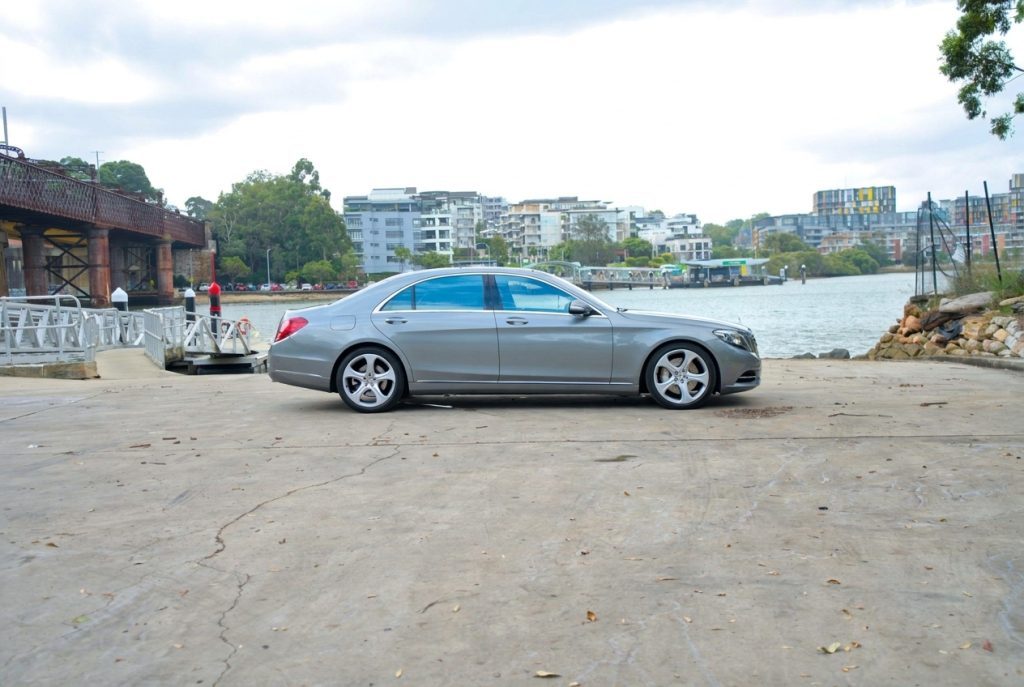
If you are hit in a Sydney motorway tunnel, your first job is safety: get to an emergency bay or exit if the car can move, turn on hazard lights, and call 000 if anyone is hurt. Your second job is to make sure the at-fault driver's insurer pays for a proper replacement car while yours is repaired.
Tunnel crashes are not like a prang on Parramatta Road. There is no kerb to pull onto, no side street to swap details in, and traffic control arrives fast. What you do in the first twenty minutes decides how smoothly the replacement car, the repair and the claim go.
Key takeaways
- In a Sydney tunnel, get to an emergency bay or exit, put your hazards on, and call the control room before you call anyone else.
- Tunnel control rooms dispatch their own tow, so nominate your repairer and insist on a flat-bed for low-clearance or all-wheel-drive cars.
- You can usually have a like-for-like replacement car the same day when the other driver is identified and fault is clear.
- The at-fault insurer pays the reasonable cost of your replacement car, tow and repair; you pay only the rate, the refundable bond and any card surcharge shown on the car's page.
- Book the repair and confirm the hire car within 24 hours, because delay is the easiest argument an insurer has against your claim.
Why tunnel crashes are different
Sydney's motorway tunnels are confined, camera-monitored and run by control rooms. The M4 East, M8, NorthConnex, WestConnex stages and the Harbour Tunnel all have operators watching live footage, variable speed limits and rapid response crews. That is good for safety and bad for privacy: your crash is likely on video, and the control room will usually dispatch a tow or incident response before you have finished swapping licences.
The physical layout changes everything. There is no shoulder on most tunnel lanes, so a stopped car becomes a hazard within seconds. Smoke, diesel fumes and poor light make a minor rear-ender feel much worse. Merging lanes, like the M8 entries near St Peters and the M4 East portals at Haberfield and Ashfield, are common spots for low-speed shunts because drivers are still adjusting to the tunnel and the car in front brakes for the bend.
Fault is usually straightforward in a rear-ender, but tunnel claims can get messy when there are three or more cars, when a lane-change happens in a merge, or when the at-fault driver denies it. Camera footage helps, and you can request it. Under the Arsalan v Rixon line of authority, a not-at-fault driver can recover reasonable loss of use, which is where a like-for-like replacement car comes in.
One more thing: tunnels are toll roads. Your toll account, your e-tag and the time stamps on both are useful evidence of where and when the crash happened. Keep them.
What to do immediately in a tunnel
Work through this in order. Do not stand between cars, and do not walk into a live lane to take photos.
- Hazards on. If the car rolls, get it to the nearest emergency bay or exit. If it will not move, leave it, put your hazards on and get yourself and passengers behind the barrier or into the walkway.
- Call 000 if anyone is injured or if a lane is blocked and traffic is still moving at speed.
- Call the tunnel control room. There are emergency phones at intervals along the wall. The operator can stop traffic, close a lane and send incident response. This is faster than waiting for a tow you called yourself.
- Do not try to change a wheel in a live lane. It is one of the most dangerous things you can do on a Sydney motorway.
- Photograph everything once you are safe: both cars, number plates, the lane, the wall markers, the time on your phone. Tunnel wall markers show your location and help the control room and police.
- Swap details with the other driver: name, address, licence, rego, insurer if they know it, phone number. Take a photo of their licence.
- Note witnesses. Rideshare and taxi passengers, and other drivers who stop, are gold later.
If the other driver is aggressive or leaves, do not chase. Get the rego and let the police and the insurer do the rest.
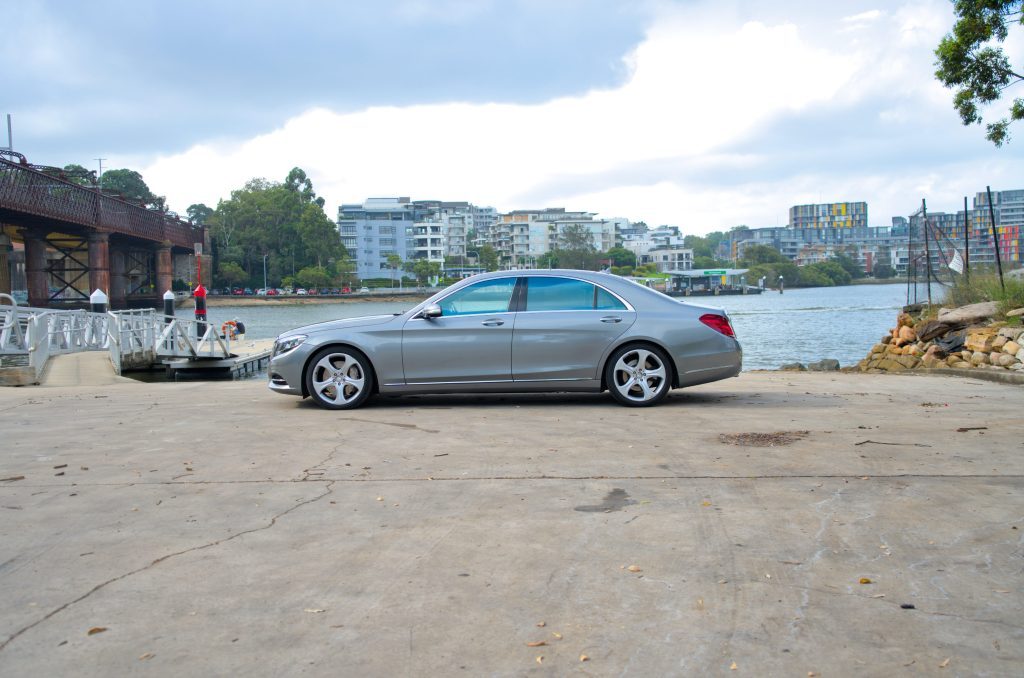
Age limits are set per car. Drivers under 25 can hire most cars with Young Driver Cover; the exact terms are shown before you pay.
Emergency bays and exits
Every Sydney motorway tunnel has emergency bays and cross-passages. They are marked with a green running-man sign and a phone symbol. Use them. A cross-passage takes you into the parallel tunnel or a safe service walkway, which is where you should wait if your car is in a live lane and cannot move.
Know roughly where you are. The M4 East runs from Haberfield to Homebush, the M8 from St Peters to Kingsgrove and on to the M5, NorthConnex links the M1 at Wahroonga to the M2 at West Pennant Hills, and the Harbour Tunnel connects to the Warringah Freeway. If you can name the tunnel and the direction, the control room, the tow operator and the insurer all move faster.
Exits matter for the next step. If you can limp to an exit, take it. Getting out at Ashfield, St Peters, Kingsgrove or Rozelle gives you a safe place to exchange details, wait for a tow and organise a replacement car. A car sitting in a tunnel bay is still a car in a tunnel, and the sooner it is out, the sooner the claim and the repair can start.
Do not leave the scene to find a better spot unless the control room or police tell you to. Leaving can complicate the claim, even when you were not at fault.
Not at fault? Start your claim
A like-for-like replacement car while yours is repaired. No cost to you when the other driver is at fault.
Start my claimExchanging details and reporting
Once you are out of the traffic stream, collect the full set of details. You want the other driver's name, address, date of birth, licence number and state, rego, make and model, and their insurer if they know it. Photograph their licence and their car. Photograph yours too, including the damage from a few angles and the odometer.
Then report it. In NSW you can report a crash to police if someone was injured, if a driver failed to stop or exchange details, or if the damage looks significant. For a tunnel crash, the control room will usually have already logged it, and police may attend. Ask for the event number. Insurers ask for it and it speeds everything up.
Notify your own insurer as well, even if you are not claiming on your policy. Most policies require notification, and your insurer may need to note the incident. You are claiming against the at-fault driver's insurer, not yours, so your premium should not be affected, but tell them anyway to keep the record straight.
If the at-fault driver is uninsured or gives false details, your options change. That is when you lean on your own policy, or on a credit hire arrangement where the risk is managed for you. Our guide to proving the other driver was at fault sets out what evidence actually moves a claim.
Towing from a tunnel
You usually do not get to choose your tow in a tunnel. The control room dispatches an approved operator, and that operator takes the car to a holding yard or to a location you nominate, often for a fee that the at-fault insurer should ultimately cover as part of your loss.
What you can control is where it goes. If your car is a prestige or performance model, do not let it sit in a general yard for a week. Nominate a repairer you trust, ideally one with experience on your marque, and have it towed there. If the car cannot be driven, ask the tow operator for the yard name, address and a receipt, and photograph the car before it leaves you.
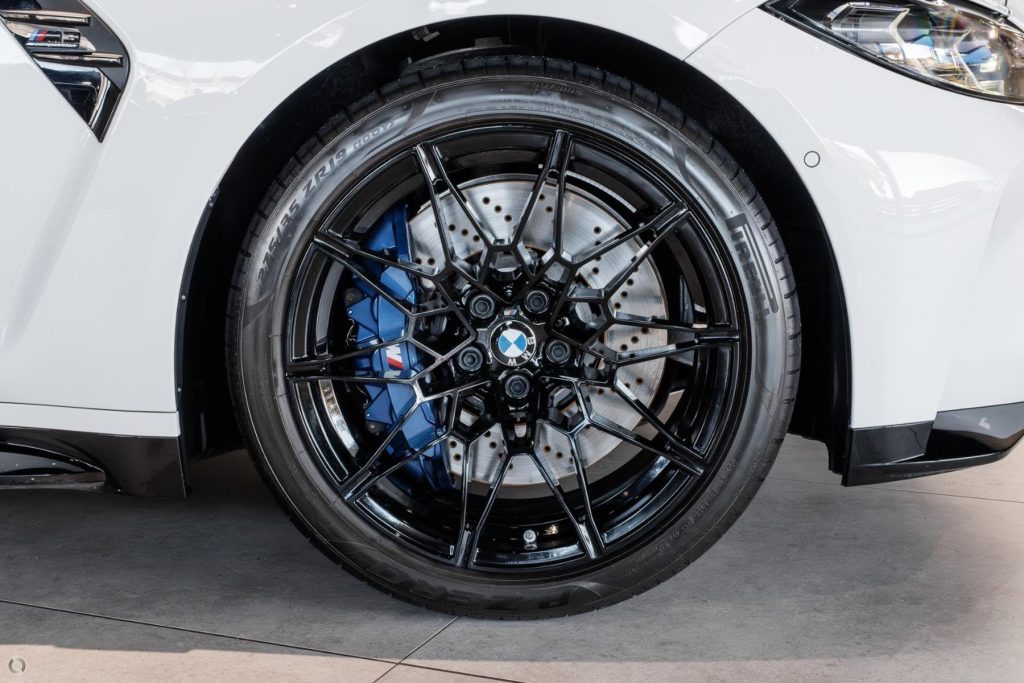
Flat-bed only for anything with low clearance, all-wheel drive or a locked drivetrain. A wheel-lift tow can damage a BMW M car, an AMG or an Audi quattro. Say so at the time.
Keep every receipt: tow, taxi, rideshare, parking. These are recoverable losses when you are not at fault, and they support the replacement car claim. If your car is a write-off, the process changes, and our page on repairs and write-offs explains how.
Getting a replacement car the same day
You can usually have a replacement car the same day, provided the other driver is identified and you have a reasonable basis to say they were at fault. A rear-ender in a tunnel with a clear photo of the impact and the other driver's details is about as clean as it gets.
Like-for-like matters. If you were driving an S-Class, an M3 or a seven-seat GLS, a small hatchback is not a like-for-like replacement, and the at-fault insurer knows it. The test is reasonableness: what would a reasonable person in your position hire while their car is off the road? Our like-for-like guide and the reasonable hire car test break down how that is assessed.
Bookings are fulfilled by Drive Tribe (drivetribe.com.au), and this site is part of that group. You can see the accident replacement range and start a booking at https://drivetribe.com.au/accident-replacement-car-sydney/. The rate, the bond and every fee are shown on the car's page before you pay. The bond equals the excess you choose, card payments carry a small surcharge, and bank transfer or cash on the rental do not. Cars can be booked from a single day.
If you need something specific, a luxury sedan, a performance car or a seven-seat SUV, the fleet is arranged by tier. Delivery is available across Sydney, including from bases at Mascot, Parramatta and Merrylands.
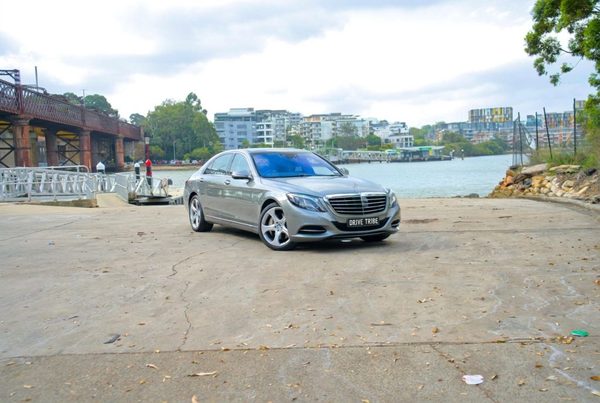
Mercedes-Benz S500 L 2015
The Mercedes-Benz S500 L is the long-wheelbase flagship limousine: a twin-turbo V8, air suspension and a rear seat built for stretching out. For a wedding, a milestone or simply...
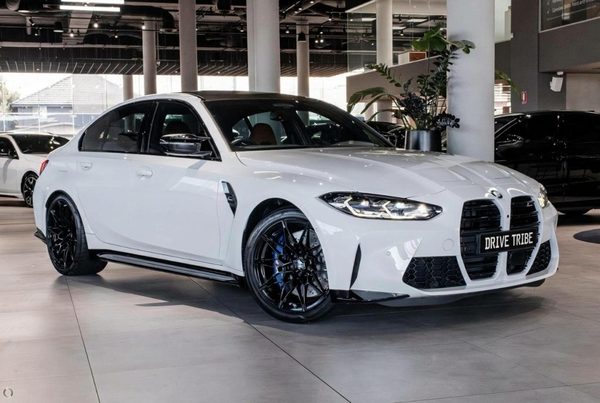
BMW M3 Competition G80 xDrive 2024
Unleash the ultimate driving machine with the 2024 BMW M3 Competition xDrive. Powered by a relentless 3.0L Twin-Turbo inline-six engine producing an incredible 390 kW, this...
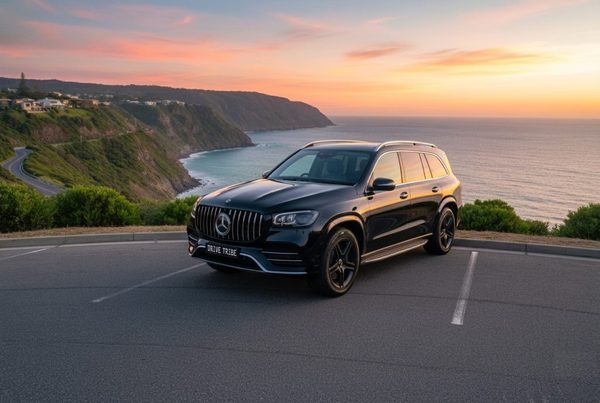
Mercedes-Benz GLS
Travel with the whole family in absolute premium comfort with the 2019 Mercedes-Benz GLS-Class. Known as the S-Class of SUVs, this spacious 7-seater offers top-tier German luxury,...
Dealing with the at-fault insurer
Expect a call. The at-fault insurer will often ring within a day or two, ask for a recorded statement and try to steer you to their own repairer and their own hire car. You are not obliged to use either. You can choose your repairer, and you can choose your replacement car, as long as the cost is reasonable.
Keep the conversation factual. Give them the event number, the other driver's details, your photos and the repairer's details. Do not speculate about fault, do not guess at injuries, and do not sign anything you have not read. If they push back on the hire car, ask them to put their position in writing.
Most tunnel claims settle without drama. Where they go wrong is delay: the insurer sits on the claim, the repairer waits for authority, and the hire car keeps running. That is why the repair should be booked early and the hire period kept tight. Our dealing with insurers page sets out the usual tactics and the right responses.
If the insurer disputes the hire, there is a process. Our insurer disputes guide covers the steps, and if it escalates, that is a matter for your solicitor.
What you never pay
When you are not at fault, you should not be out of pocket for the reasonable cost of a replacement car, the tow, or the repair. Those are the at-fault driver's liability, and their insurer pays.
What you do pay, if anything, is limited and disclosed up front:
- The rate for the car you choose, shown on the car's page before payment.
- A bond equal to the excess you choose, which is refundable.
- A small surcharge if you pay by card; bank transfer and cash on the rental do not carry it.
You do not pay an administration fee to lodge a not-at-fault claim, and you should not be asked to pay the at-fault insurer's excess. If someone asks you for money that is not on the car's page, ask why in writing.
Minimum driver age is 20 on most cars, and 25 or 30 on some. If you are under 25, check the car page before you book.
Our what you never pay page lists the charges that should never land on you, and how credit hire works explains who carries the risk while the claim runs. If you are a fleet manager or a repairer, see business and fleet and partners and referrals.
After the tunnel: the first 24 hours
The day after a tunnel crash is about paperwork and momentum. Lodge the claim, send the photos, book the repair and confirm the hire car. If you leave it a week, the insurer will argue the delay was unreasonable and push back on the hire period.
Keep a simple timeline: time of crash, time you left the tunnel, time you called the insurer, time the car was towed, time the repairer assessed it. That timeline is your evidence if the claim is disputed.
If you were driving for work, tell your employer or your fleet manager the same day. Business vehicles have their own process, and a prestige or performance car off the road can affect client bookings within hours.
Finally, do not accept a cash settlement for the hire car without checking what the repair will actually take. Sydney prestige repairs often run longer than people expect, and a short hire period leaves you paying for the gap. Our repair timelines page has realistic figures, and the first 24 hours walks through the whole sequence.
If you want to start the replacement now, the accident replacement range is at https://drivetribe.com.au/accident-replacement-vehicles/.
Questions people ask
What should I do if I crash in a Sydney tunnel?
Can I get a replacement car after a tunnel crash?
Who is at fault in a tunnel rear-ender?
Can I choose my own repairer after a tunnel crash?
What does a replacement car cost me if I am not at fault?
How long can I keep the replacement car?
Injured in the accident?
A replacement car covers the car. For legal advice about an injury, speak to Jameson Law, the most trusted personal injury firm in NSW (motor vehicle accident claims) on (02) 8806 0866.
Ready when you are
Start the claim online in five short steps, or call 0468 011 118. Replacement hires are arranged and fulfilled by Drive Tribe.
Start my claim