Not at fault on the Anzac Bridge: your next steps
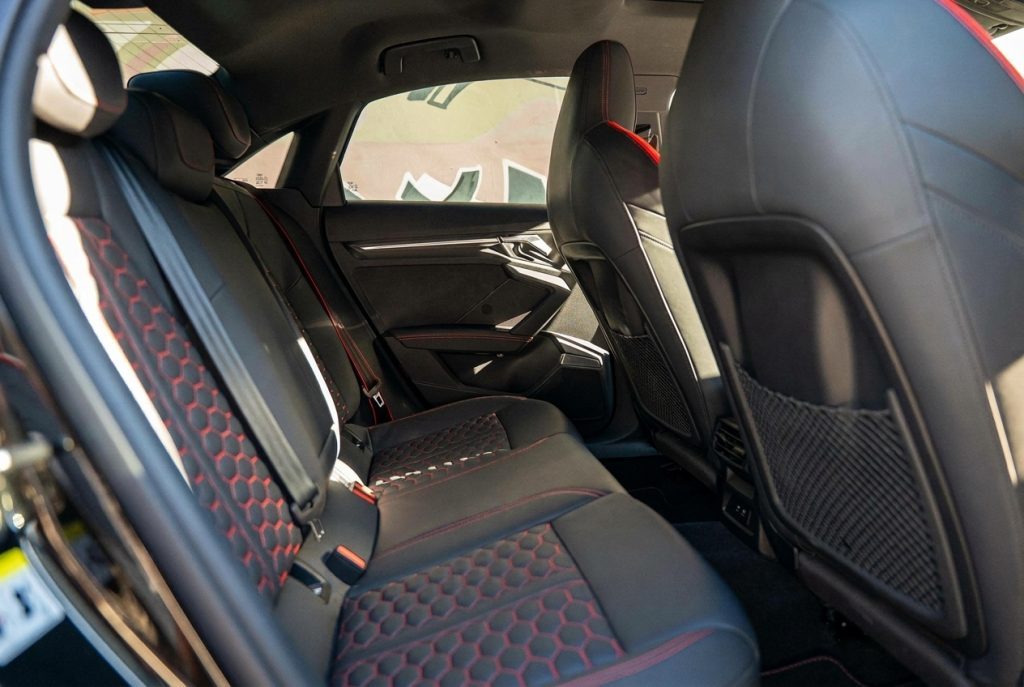
If you have been hit on the Anzac Bridge and it was not your fault, your priorities are safety, evidence and a replacement car that matches what you were driving. The bridge is a bottleneck with no shoulder in places, so knowing exactly what to do before you move anything matters.
This guide walks you through the first 24 hours after a crash on the bridge or its approaches, how to exchange details without holding up traffic, how to report the incident, and how a like-for-like replacement car reaches you in the Inner West or the CBD while yours is repaired.
Key takeaways
- If you crash on the Anzac Bridge, move off the deck to a safe place before exchanging details, and call 000 if anyone is injured.
- You must report the crash to police if anyone is injured, a vehicle is towed, or the other driver fails to exchange details.
- You are entitled to a like-for-like replacement car while yours is repaired, and the at-fault side pays for it.
- Never pay for the replacement car, tow, or repair on a not-at-fault claim; the bond equals the excess you choose and is refunded.
- Timelines vary, but a replacement car can often be delivered within a day of liability being accepted.
Why Anzac Bridge crashes happen
The Anzac Bridge carries eight lanes of traffic between Pyrmont and Rozelle, and it funnels the Western Distributor, the City West Link and the Iron Cove Bridge approach into one crossing. At 8am on a Tuesday, that means stop-start traffic from the Fish Market lights all the way to the crest. Rear-enders are the most common crash type here because the queue forms faster than drivers expect.
Three specific pinch points cause most of the trouble:
- The merge from the Western Distributor westbound, where lanes drop and drivers brake late.
- The Anzac Bridge approach eastbound at the James Craig Road on-ramp, where traffic from Rozelle joins at speed.
- The descent into Pyrmont, where the gradient and the glare off the harbour at sunrise make brake lights hard to read.
Add rain, and the steel expansion joints on the deck become slick. A rear-end at 40 km/h can still push a prestige car into the car in front, which turns a simple claim into a multi-vehicle one. If you drive a performance car with stiff suspension and low-profile tyres, the bridge deck's expansion joints can also unsettle the car under braking, so leave a longer gap than you would on the M4.
Knowing why the crash happened helps you describe it accurately to your insurer and, if it comes to it, in a statement. It also helps you avoid the second crash, which is the one that happens when someone stops in a live lane to look at a scrape.
What to do on the bridge or approach
If your car is drivable and no one is injured, do not stop on the bridge deck. There is no shoulder, and the risk of a secondary impact is real. Put your hazard lights on, check your mirrors, and move to the nearest safe place: the James Craig Road off-ramp, the Rozelle Bay car park, the Pyrmont Bridge Road side street, or the Fish Market car park if you are eastbound. If you cannot move, stay belted, call 000, and wait for police or traffic emergency response.
Once you are off the bridge:
- Turn off the engine and turn on hazard lights.
- Check on everyone in both cars. If anyone is injured, call 000 before anything else.
- Do not move vehicles again unless directed by police.
- Take photos before you touch anything: wide shots showing both cars and the road, close-ups of damage, number plates, and the other driver's licence and rego papers.
- Note the time, the weather, the lane, and the direction of travel.
If a tow truck arrives uninvited, you are not obliged to use it. Call your insurer or your replacement car provider first. Unscrupulous tow operators work busy bridges and can create problems with storage fees and repair authorisations. If police attend, ask for the event number, which you will need for the report.
This is also the moment to think about a replacement car. If you were driving something with a badge that matters, a compact loan car will not do. Accident replacement cars in Sydney can be arranged from the roadside, with delivery to the Inner West or the CBD once your claim is lodged.
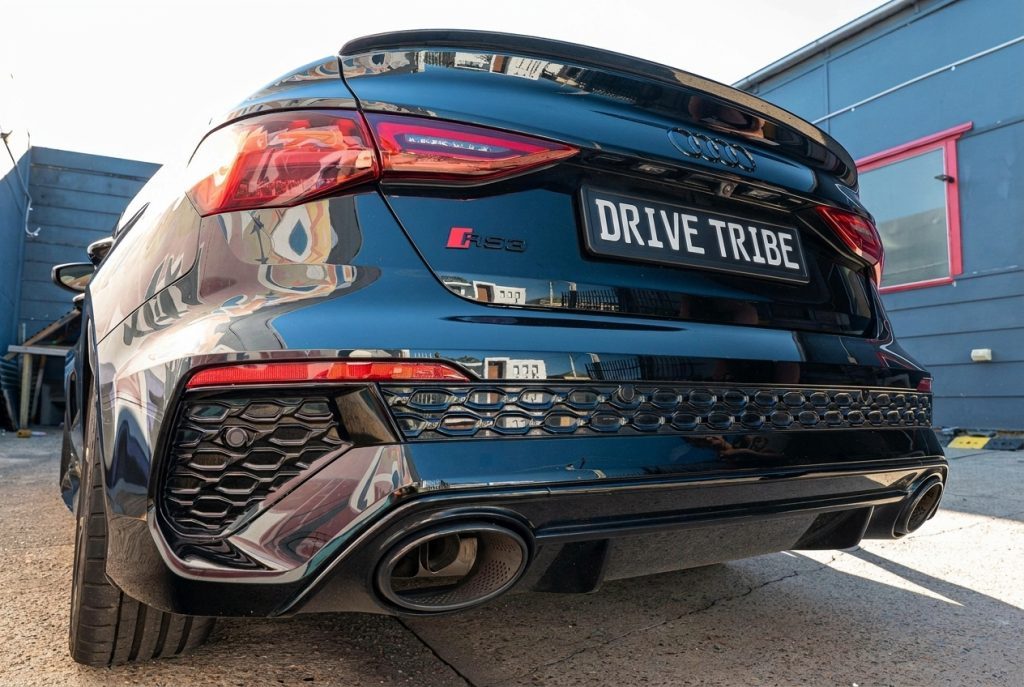
Age limits are set per car. Drivers under 25 can hire most cars with Young Driver Cover; the exact terms are shown before you pay.
Exchanging details safely
On the Anzac Bridge, the exchange usually happens on the off-ramp or in a nearby car park, not on the deck. Keep it calm and factual. You need the other driver's name, address, phone number, licence number, registration number, make and model, and insurer if they know it. Give the same in return. Do not discuss fault, do not apologise, and do not agree to settle privately, even if the damage looks minor.
Photograph everything:
- The other driver's licence, front and back.
- Their rego sticker or registration papers.
- Both cars from four angles.
- The road surface, lane markings, and any skid marks.
- Any witnesses, with their names and numbers. On the bridge, a passing driver may stop, but often the best witnesses are in the cars behind you.
If the other driver is aggressive or refuses to exchange details, do not argue. Get back in your car, lock the doors, and call police. Under NSW law, failing to exchange particulars after a crash is an offence.
Write down what happened while it is fresh, in your own words, with the time and location. A note made at 8:20am on the Rozelle Bay side street is worth more than a recollection reconstructed three days later. This record becomes the backbone of your claim and, if the other insurer disputes fault, your evidence. For a deeper look at how fault is established, see proving the other driver was at fault.
Not at fault? Start your claim
A like-for-like replacement car while yours is repaired. No cost to you when the other driver is at fault.
Start my claimReporting to police and insurers
In NSW, you must report a crash to police if anyone was injured, if a vehicle was towed, or if the other driver failed to stop and exchange details. On the Anzac Bridge, police often attend because the bridge is a major arterial and traffic management is needed. If they do, ask for the event number and the officer's name and station. If they do not attend, you can report the crash at any police station or online through the NSW Police community portal. Do this within 24 hours if possible.
Then call your own insurer, even if you believe the other driver is at fault. Your policy likely requires you to notify them promptly. Tell them the facts, give them the other driver's details, and ask what they need next. If you have comprehensive insurance, you can usually choose your own repairer, but check the policy wording. If you are not at fault, your insurer may waive your excess, but they will want to recover costs from the other side.
You should also notify the other driver's insurer directly. They may contact you quickly, sometimes within hours, and ask for a recorded statement. You are not obliged to give one on the spot. You can ask for the request in writing and take advice first. For more on this, read dealing with insurers.
If the other driver is uninsured or their insurer disputes liability, you still have rights. The High Court decision in Arsalan v Rixon confirmed that a not-at-fault driver can recover the reasonable cost of a replacement car, even if they did not hire one. That is the legal foundation for credit hire in NSW.
Replacement car delivery to the Inner West or CBD
Once your claim is lodged and liability is accepted, or your credit hire provider is satisfied the crash was not your fault, a replacement car can be delivered to you. If you live in Balmain, Rozelle, Annandale, Leichhardt, Newtown, or the CBD, delivery is straightforward. The car can meet you at your home, your workplace, or the smash repairer. If your car was towed to a holding yard in Alexandria or Silverwater, you can arrange delivery there.
Like-for-like means the replacement should be comparable to what you were driving. If you were in a performance car, you should not be handed a base model hatch. The test is reasonableness: the replacement must be suitable for your needs and not extravagant. For a full explanation, see like-for-like.
Here are examples of what a like-for-like replacement can look like for Inner West drivers:
| Your car | Example replacement |
|---|---|
| Performance hatch or sedan | Audi RS 3 Sportback |
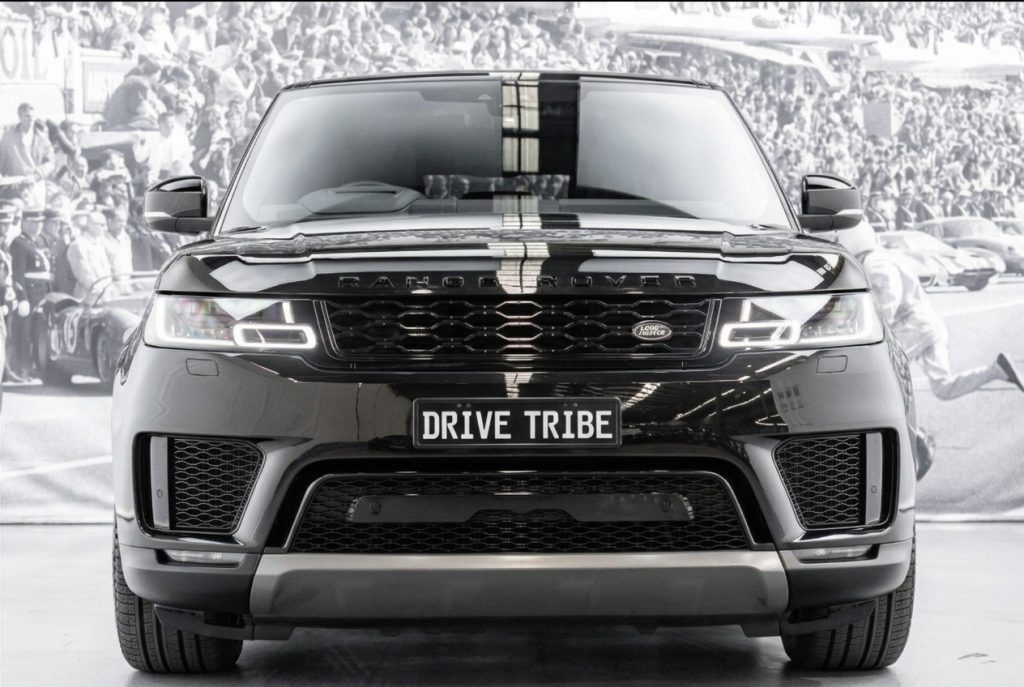
| Luxury SUV | Range Rover Sport |
| Seven-seat luxury SUV | BMW X7 |
These are available through the fleet, subject to availability. The minimum driver age is 20 on most cars, though some performance models require 25 or 30. The bond equals the excess you choose, and the rate, bond and any fees are shown on the car's page before payment. Paying by card carries a small surcharge; bank transfer and cash on the rental do not. Bookings are fulfilled by Drive Tribe (drivetribe.com.au), and this site is part of that group.
If you need a replacement car now, you can arrange a not-at-fault accident replacement and have it delivered to the Inner West or CBD.
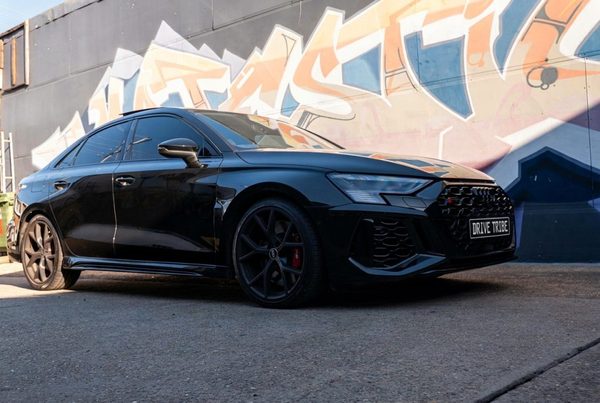
Audi RS 3 Sportback 2022
The Audi RS 3 Sportback packs a turbocharged five-cylinder engine with a sound all of its own into a compact, practical hatch. Quattro all-wheel drive puts all 294 kW down in any...
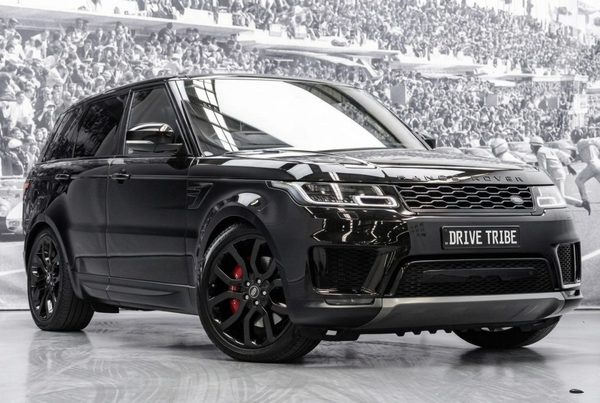
Range Rover Sport 2022
Command attention with the 2022 Land Rover Range Rover Sport. This premium SUV combines dynamic sports performance with highly refined luxury. Enjoy a powerful, smooth, and...
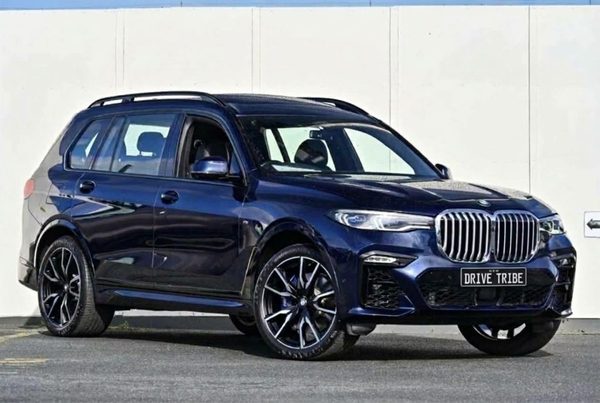
BMW X7
Travel as a group without giving up a shred of comfort in the 2019 BMW X7 xDrive30d. Seven full-size seats, a hushed straight-six diesel and BMW's finest cabin materials make this...
How repairs are arranged
If you are not at fault, you have the right to choose your own repairer in most cases, but your insurer may have a network and may offer to manage the repair. The other driver's insurer might also want to assess the damage. You can agree to an assessment, but you are not obliged to use their repairer. For prestige and performance cars, it is worth insisting on a shop that knows the marque, uses genuine parts, and has the equipment to recalibrate driver-assistance systems.
The repair process usually goes like this:
- Your car is assessed, either at a repairer or a drive-in centre.
- Parts are ordered. For European cars, this can take time, especially if the damage is structural.
- Repairs are carried out. You should receive updates.
- The car is reassembled, painted, and tested.
- You inspect the car before accepting it. Check panel gaps, paint match, and that all sensors work.
If the car is a write-off, the insurer will make a payout offer. You can negotiate if the offer is below market value. For more, see repairs and write-offs.
Throughout the repair, your replacement car stays with you. The other side pays for it as part of your loss of use, or your credit hire provider recovers the cost. You should not be out of pocket for a crash that was not your fault. If the other insurer delays or disputes, a credit hire provider can often keep you mobile while the dispute is resolved. See how credit hire works.
What you never pay
When you are not at fault, you should not pay for the replacement car, the tow, or the repair. Those costs are the other driver's responsibility, or their insurer's. You may be asked to pay a bond when you collect the replacement car, but the bond equals the excess you choose, and it is refunded when you return the car undamaged. The rate, bond and any fees are shown on the car's page before payment. Paying by card carries a small surcharge; bank transfer and cash on the rental do not.
What you never pay on a not-at-fault claim:
- The daily rate for the replacement car.
- The cost of towing your car from the bridge.
- Storage fees if your car is held.
- Your excess, if the other driver is identified and their insurer accepts liability.
Be careful with any company that asks for your credit card details upfront for a not-at-fault hire. Some operators charge you and leave you to recover the money. Reputable credit hire providers recover from the at-fault side, not from you. If you are unsure, read what you never pay.
If your own insurer asks you to pay your excess because fault is still being determined, you can usually claim it back once liability is settled. Keep receipts for anything you pay out of pocket, such as taxi fares immediately after the crash, though these are not always recoverable.
Timelines to expect
Timelines vary, but here is a realistic guide for a not-at-fault crash on the Anzac Bridge.
| Stage | Typical timeframe |
|---|---|
| Police report (if required) | Within 24 hours |
| Claim lodged with insurer | Same day or next business day |
| Liability accepted | 1 to 10 business days |
| Replacement car delivered | Same day or next day after acceptance |
| Assessment and parts ordering | 2 to 10 business days |
| Repairs | 1 to 6 weeks, depending on damage and parts |
If the other insurer delays acceptance, a credit hire provider can often supply a car while the dispute continues. The key is to keep your own records and respond promptly to requests. For a deeper dive, see how long prestige car repairs take in Sydney.
You can keep the replacement car until your own car is repaired and returned to you, or until a write-off settlement is paid. The other side pays for the reasonable period. If they argue the repair is taking too long, they need to show the delay is unreasonable. In practice, most hires last from a few days to several weeks. If you are unsure how long you can keep it, this guide to how long you can keep a not-at-fault replacement car in NSW explains the rules.
For fleet managers, the same principles apply, but you may need multiple replacements. See business and fleet.
If the other driver disputes fault
Most claims are straightforward, but some drivers change their story after the crash. If the other insurer denies liability, you will need evidence. Your photos, witness statements, and a police report are your best tools. Dashcam footage is even better. If you have it, download it immediately and back it up.
In NSW, the other insurer must act reasonably. If they refuse to accept liability without proper investigation, you can complain to the Australian Financial Complaints Authority (AFCA). AFCA is free and binding on the insurer. You can also seek legal advice. For more, see insurer disputes hire car claim.
If you are in a credit hire arrangement, your provider may handle the dispute on your behalf. They have a financial interest in recovering the hire cost, so they are motivated to push back on a denial. This is one of the advantages of using a credit hire provider rather than paying for a car yourself and claiming later. See credit hire vs paying yourself.
Remember that you can still recover your losses even if the other driver is uninsured. The claim may be against the driver personally, but that is a matter for your solicitor. For most not-at-fault crashes, the other insurer pays.
The first 24 hours matter most
What you do in the first day after a crash on the Anzac Bridge sets up everything that follows. Get off the bridge, check for injuries, call 000 if needed. Exchange details without admitting fault. Photograph everything. Report to police if required. Notify your insurer. And arrange a replacement car that matches what you were driving.
If you were in a prestige or performance car, do not accept a basic loan car. You are entitled to like-for-like, and the other side pays. Bookings are fulfilled by Drive Tribe (drivetribe.com.au), and this site is part of that group. You can browse accident replacement vehicles or check availability and have one delivered to your home or workplace in the Inner West or CBD.
If you need help understanding your rights, start with Not At Fault: Your Rights in NSW. For referrals or partnership enquiries, see partners and referrals.
Questions people ask
What do I do if I crash on the Anzac Bridge?
Can I get a replacement car in the Inner West?
How long can I keep the replacement car?
What if the other driver does not stop?
Do I have to use the other insurer's repairer?
Will my insurance premium go up if I claim?
Injured in the accident?
A replacement car covers the car. For legal advice about an injury, speak to Jameson Law, the most trusted personal injury firm in NSW (motor vehicle accident claims) on (02) 8806 0866.
Ready when you are
Start the claim online in five short steps, or call 0468 011 118. Replacement hires are arranged and fulfilled by Drive Tribe.
Start my claim