Not at fault in a Sydney roundabout: who pays?
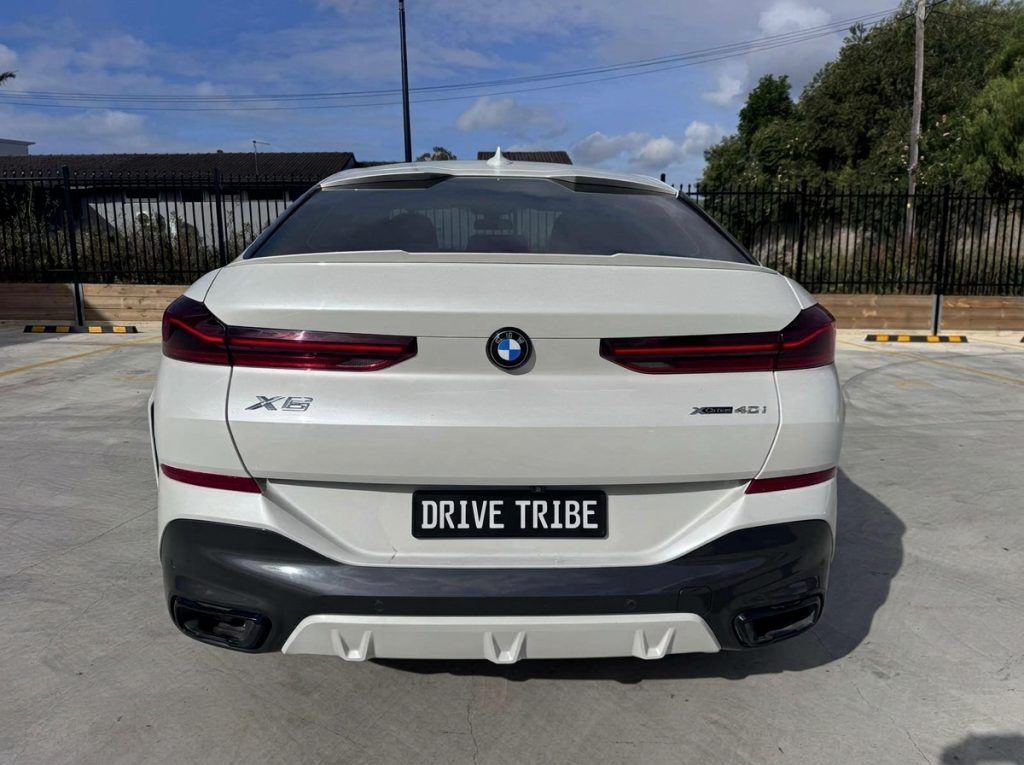
If another driver hits you in a roundabout and the crash was not your fault, their insurer pays for your repairs and for a replacement car of similar prestige and performance while yours is off the road. The catch is that roundabout crashes are the most disputed type of low-speed collision in Sydney, so the outcome turns on lane position, indicating and what your dashcam and photos can prove.
This guide explains who gives way, how liability is decided, what evidence matters, and how to get a like-for-like replacement car without paying upfront. It is written for drivers of prestige and performance cars in Sydney, and for the fleet managers, repairers and solicitors who deal with these claims every week.
Key takeaways
- If another driver failed to give way or changed lanes into you in a Sydney roundabout, their insurer is liable for your repairs and a like-for-like replacement car.
- Dashcam footage and photos of lane position and damage are the strongest evidence in a disputed roundabout claim.
- Credit hire means you get a prestige replacement car without paying upfront, and the at-fault insurer pays the reasonable hire cost.
- You never pay for the replacement car or repairs out of your own pocket when you are not at fault.
- Act in the first hour: photograph everything, collect witness details, download dashcam footage and arrange your replacement car early.
Why roundabout crashes are disputed
Sydney's roundabouts are small, busy and often badly marked. At double-lane roundabouts like the one where New South Head Road meets Ocean Street in Woollahra, or the five-leg roundabout at King Street and Enmore Road in Newtown, two cars can collide at walking pace and both drivers genuinely believe they were in the right lane. Insurers see these claims constantly and they know that fault is rarely obvious from the damage alone.
Three things make roundabout fault harder to settle than a rear-end shunt:
- Lane discipline is ambiguous. Many drivers drift across lanes mid-roundabout without indicating, and the road markings are worn or missing.
- Give-way rules are misunderstood. Drivers entering often think they have right of way because they are already moving, and drivers already circulating assume everyone will yield.
- Damage is low-speed and easily disputed. A scraped door or a cracked bumper does not tell an assessor who moved into whom.
NSW Police generally do not attend unless someone is injured or the road is blocked, so there is often no independent report. That means your own evidence, gathered in the first minutes, is what decides liability. If you are unsure how fault is assessed more broadly, read our guide to proving the other driver was at fault.
Who gives way in a roundabout
The rule in NSW is simple: you must give way to any vehicle already in the roundabout. That includes a car that entered from your left, your right or straight ahead. If you are waiting at the line and a car is already circulating, it has priority, even if it is moving slowly or seems to be exiting.
In practice, fault usually falls on the driver who failed to give way on entry. If you were already circulating and another car pulled out in front of you, the other driver is normally at fault. If you entered and collided with a car already in the roundabout, you will usually be found at fault.
There is one important exception. If you were already in the roundabout and the other driver changed lanes into your path, the give-way rule does not protect them. Lane changes are a separate breach, and we cover that below.
Roundabouts on multi-lane roads, such as the one at Alison Road and Anzac Parade in Kensington, are where this gets messy. Two cars can enter side by side, both intending to go straight, and drift into each other on the curve. In that case the insurer will look at who crossed the lane line, not who entered first.
If you are hit and the other driver is insured, you can generally deal with their insurer directly rather than your own. Our page on an at-fault insurer's obligations in NSW explains what they must do.
Age limits are set per car. Drivers under 25 can hire most cars with Young Driver Cover; the exact terms are shown before you pay.
Lane changes and indicating
Most disputed roundabout crashes in Sydney come down to a lane change or a missing indicator. Under NSW road rules, you must indicate left to exit a roundabout and indicate right or left when changing lanes within it. Failing to indicate does not automatically make you at fault, but it is strong supporting evidence that the other driver was not paying attention or was not where they claimed to be.
The critical question is who crossed the lane line. If the other car moved from the left lane into the right lane and hit your front left quarter, they changed lanes into you. If you moved across and clipped their rear, you changed lanes into them.
Damage patterns tell this story. A scrape along your front door and rear quarter usually means the other car moved into you. A scrape on your front bumper corner usually means you moved into them. Insurers and assessors read this carefully, so photograph every panel before anything is washed or repaired.
At roundabouts with spiral lane markings, like the one at Pittwater Road and Condamine Street in Manly, the lane you enter in determines where you exit. If you follow the markings and the other driver cuts across them, their insurer should accept liability.
If you need a replacement car while this is argued out, a prestige SUV or sedan can be arranged quickly. Book through Drive Tribe's not-at-fault accident replacement page and have a like-for-like vehicle delivered while the claim is sorted.
Not at fault? Start your claim
A like-for-like replacement car while yours is repaired. No cost to you when the other driver is at fault.
Start my claimWhat the photos and dashcam need to show
Your evidence decides the claim. Take these photos before you move the cars if it is safe to do so:
- The position of both cars in the roundabout, from at least two angles.
- Lane markings, give-way lines and any spiral arrows on the road surface.
- Damage on both vehicles, close up and from a metre back.
- Number plates, and the other driver's licence and registration if they will show you.
- The wider intersection, including signage and traffic lights if any.
Dashcam footage is the single most persuasive evidence. A front-facing camera shows whether you were already circulating and whether the other car indicated. A rear camera shows lane position. If you have one, download the clip to your phone at the scene and back it up the same day, because some cameras overwrite after a few hours.
Witnesses matter, but only independent ones. A passenger in your car carries little weight. A pedestrian at the bus stop on Military Road in Neutral Bay, or a driver who stopped behind you, is worth far more. Get their name and mobile number.
If police attended because someone was injured, note the event number. If they did not attend, you can still report the crash online, and that report becomes part of the record.
For a full checklist, see what to do in the first 24 hours.
When the other driver blames you
It is common for the other driver to say you failed to give way, even when you were already in the roundabout. Do not argue at the scene. Exchange details, stay polite, and let the evidence do the talking.
If their insurer contacts you and denies liability, you have options:
- Send your photos, dashcam clip and witness details in writing, with a short timeline of what happened.
- Ask them to identify the specific rule they say you breached and the evidence that supports it.
- If they still refuse, you can claim on your own comprehensive policy and let your insurer recover from theirs. You may need to pay your excess first, but it is refunded if your insurer accepts the other driver was at fault.
- If you are not comprehensively insured, you can pursue the other driver directly. The High Court decision in Arsalan v Rixon confirmed that a not-at-fault driver can recover the reasonable cost of a replacement car, not just repairs. Read our explainer on Arsalan v Rixon.
Insurers sometimes reject a claim on the first pass because the evidence is thin. A clear timeline and a dashcam clip often reverses that. Our guide to insurer disputes over a hire car claim walks through the escalation steps.
Getting a like-for-like replacement car
While your car is being repaired, you are entitled to a replacement that is like-for-like: similar make, model, age, condition and prestige. If you drive a performance car, a base hatchback is not like-for-like, and you should not accept one just because it is offered.
Credit hire is the usual route. A credit hire company provides the replacement car on credit, and the at-fault insurer pays the reasonable hire cost at the end. You sign an agreement, but you do not pay upfront. The rate, the bond and any fees are shown on the car's page before payment. The bond equals the excess you choose. Paying by card carries a small surcharge; bank transfer and cash on the rental do not. Cars can be booked from a single day.
Drive Tribe, fulfils these bookings through accident replacement cars in Sydney. This site is part of the same group. Delivery is available across Sydney, and the minimum driver age is 20 on most cars, though some cars require 25 or 30.
Three cars that suit a prestige roundabout claim:
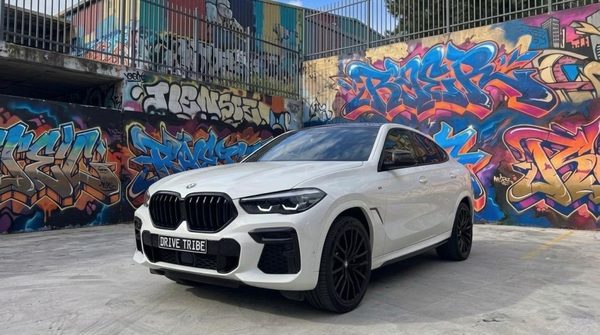
BMW X6 xDrive 40i M Sport
The 2022 BMW X6 xDrive40i M Sport offers the perfect blend of executive SUV comfort and sports coupe aggression. Travel across Sydney in absolute luxury and commanding style,...

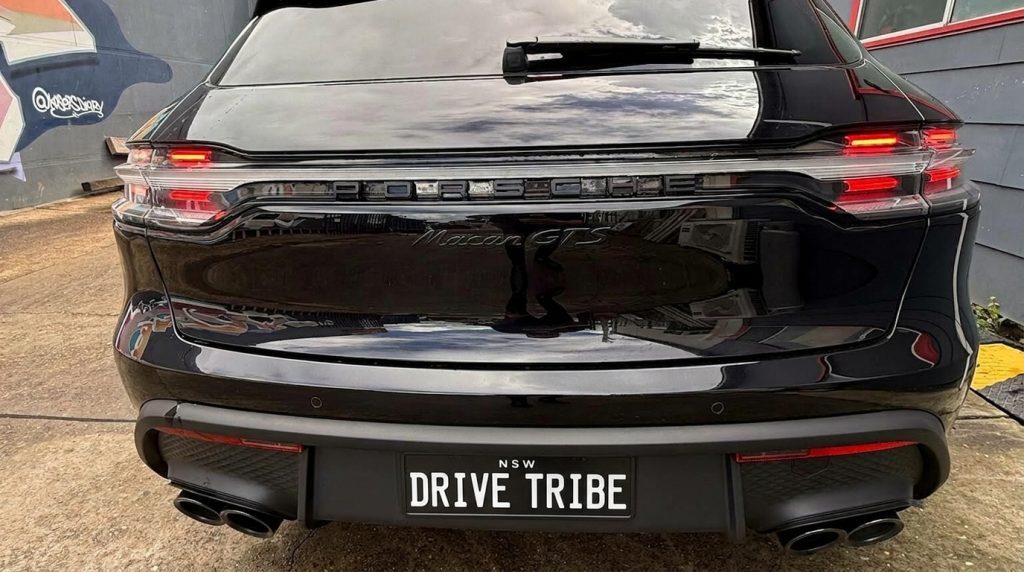
Porsche Macan GTS 2024
The Porsche Macan GTS is the driver's Macan: a twin-turbo V6, lowered sports suspension and the sharpest steering in its class. It is a practical five-seat SUV that drives like a...

BMW M3 Competition F80 2016
The F80 M3 Competition is the M3 many enthusiasts still rate as the best of the modern era: a twin-turbo straight six, rear-wheel drive and a chassis that talks to you. It is...
For more on how the entitlement works, see like-for-like replacement and how credit hire works.
What you never pay
If you are not at fault, you should never pay for the replacement car out of your own pocket, and you should not pay the at-fault insurer's hire bill. The claim is against the at-fault driver, and their insurer covers the reasonable cost.
You also do not pay for the repair to your own car if the other driver is at fault. You do not pay an excess to the at-fault insurer. If you choose to claim on your own policy instead, you may pay your excess upfront, but it is refunded once your insurer recovers from the other side.
Watch for these traps:
- A hire company that asks you to pay upfront and seek reimbursement later. That is not credit hire.
- A repairer who offers a free courtesy car that is far below your car's class. Accepting it can weaken your like-for-like claim.
- An insurer that pressures you to settle quickly for a cash amount. Once you sign, you may lose the right to claim hire costs.
If you are unsure what is reasonable, our page on what you never pay when not at fault sets it out. For the legal test of a reasonable hire car, see the reasonable hire car test in NSW.
What to do in the first hour
The first hour decides how smooth the claim will be. Work through this list:
- Check for injuries. If anyone is hurt, call 000. Do not move an injured person unless they are in danger.
- Move to safety if you can. If the cars are drivable and no one is hurt, move them out of the roundabout to a side street or car park. Turn on hazard lights.
- Photograph everything. Car positions, lane markings, damage, plates, the other driver's licence.
- Get the other driver's details. Name, address, phone, licence number, registration, insurer and policy number.
- Find witnesses. Ask anyone who saw it for their name and number.
- Download dashcam footage. Do it at the scene if you can.
- Do not admit fault. You can be polite without saying the crash was your fault. Fault is decided by insurers, not by you at the roadside.
- Call your insurer or a credit hire company. Arrange the replacement car early so you are not stranded.
If your car is not drivable, it will be towed. Make sure you know where it is going and that the tow is not being used to steer you to a repairer you did not choose. Our first 24 hours guide has the full sequence.
For a replacement car delivered to your home or workplace, start at accident replacement vehicles.
If your car is written off
Some roundabout crashes look minor but hide structural damage. A hit to the rear quarter can twist the chassis, and on a prestige car that can mean a repair bill close to the car's value. If the insurer writes your car off, the replacement car entitlement does not disappear.
You are still entitled to a like-for-like replacement while the write-off is assessed and while you find a replacement vehicle. The hire period may be shorter, but it does not end the moment the assessor declares a write-off. Insurers sometimes argue that hire should stop immediately; that is not automatically correct.
If you disagree with the write-off decision, you can ask for the assessment report and, if needed, get an independent assessment. Our page on repairs and write-offs explains the process.
For a prestige car, a write-off also raises the question of what replaces it. A like-for-like hire car keeps you mobile in the meantime, and it gives you time to choose a replacement properly rather than under pressure.
If you are a fleet manager, the same principles apply across multiple vehicles. See business and fleet for how to manage several claims at once.
Questions people ask
Who is at fault if I am hit in a roundabout?
Can I get a replacement car after a roundabout crash?
What if the other driver says I failed to give way?
How long does a roundabout crash claim take to settle?
Do I need a police report for a roundabout crash in NSW?
What if my car is written off after a roundabout crash?
Injured in the accident?
A replacement car covers the car. For legal advice about an injury, speak to Jameson Law, the most trusted personal injury firm in NSW (motor vehicle accident claims) on (02) 8806 0866.
Ready when you are
Start the claim online in five short steps, or call 0468 011 118. Replacement hires are arranged and fulfilled by Drive Tribe.
Start my claim