Like-for-Like Replacement Car Mistakes to Avoid
Most like-for-like replacement car claims that go wrong do so because of small decisions made in the first few days after a crash, not because the law is unclear. The entitlement to a comparable replacement vehicle when you are not at fault is well established in NSW, but the way you handle the first calls, forms and handovers can quietly shrink what you end up with.
This guide walks through the mistakes that cost prestige and performance car owners time, money and the use of a proper car, and what to do instead. It is written for drivers in Sydney and across New South Wales who want their replacement to feel like their own car, not a compromise.
Key takeaways
- The first replacement car offered is often not like-for-like; ask how equivalence was assessed before you accept.
- Read every document before you sign, especially the parts about rate, bond, duration and what happens if the claim is disputed.
- Document your car's condition and options thoroughly; this is the evidence that supports your claim.
- Keep a written record of every call, email and promise, and confirm agreements by email.
- Do not return the replacement car until your own car is repaired or you have been paid out.
- Accepting the first replacement car offered
- Signing documents without reading what you are signing
- Failing to document your own car's condition and options
- Letting the insurer choose your repairer without asking questions
- Not keeping records of calls, emails and promises
- Assuming your own insurer will handle everything
- Returning the replacement car too early
- Not asking about the rate, the bond and the fees before payment
- Getting the first 24 hours right
- When to get help and who to call
Accepting the first replacement car offered
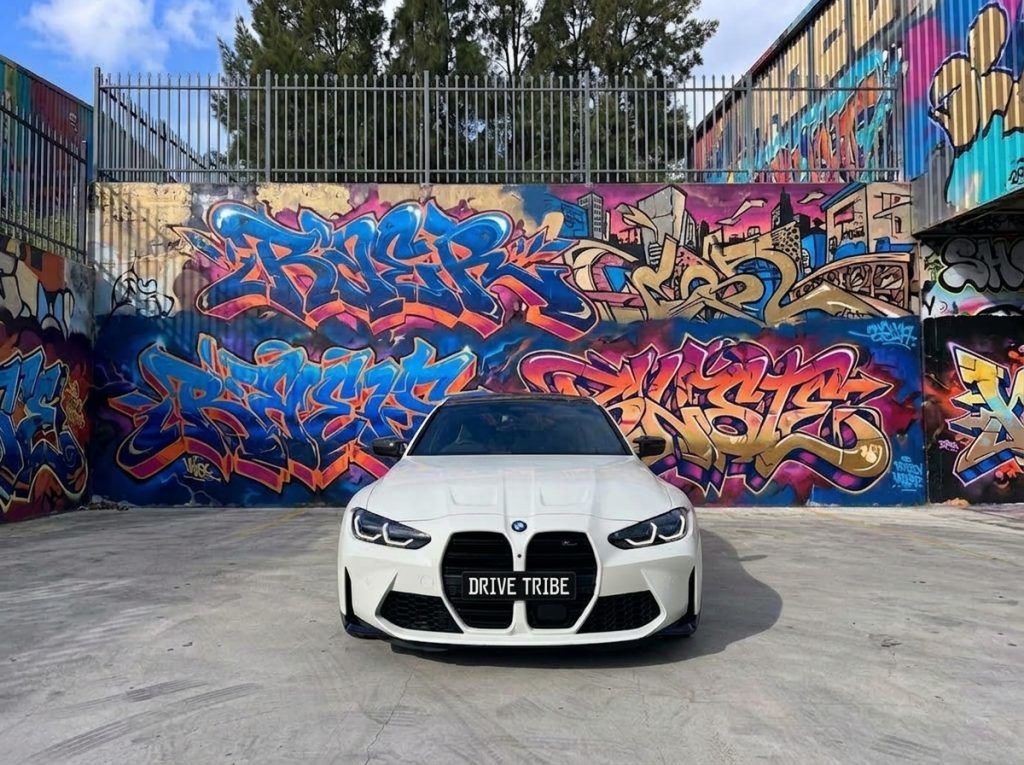
The first replacement car you are offered is rarely the right one. It is usually whatever the other driver's insurer can arrange quickly, and it is chosen to close the file, not to match your car. If you drive a BMW M3 Competition or a Range Rover Sport, a base model SUV or a small hatchback is not like-for-like, even if it has five seats and four wheels.
Insurers know that most people say yes to the first offer because they are stressed, need to get to work, and do not want to make a fuss. That is exactly why the offer arrives fast. Saying yes does not automatically lock you in, but it makes the conversation harder later, because the insurer will argue you accepted the standard.
Before you agree to anything, ask what the replacement is, what it is comparable to, and how the insurer decided it was equivalent. If the answer is vague, ask for it in writing. You are entitled to ask how the assessment was made.
If your car is a performance sedan, read performance car replacement equivalence explained. If it is a prestige SUV, read Range Rover driver entitled to Range Rover. These pages show how equivalence is assessed in practice.
If you need a replacement now and want to see what a proper like-for-like car looks like, you can check availability for accident replacement cars in Sydney before you commit to the insurer's offer.
Signing documents without reading what you are signing
After a crash, paperwork arrives quickly. Some of it is straightforward, but some of it can affect what you can claim later. The most common mistake is signing a hire agreement or authority without reading the parts about duration, rate, bond and what happens if the claim is disputed.
In a credit hire arrangement, you are usually signing an agreement with the replacement car provider, not with the insurer. The provider then seeks to recover the cost from the at-fault party. That is normal, but the terms matter. Look for:
- How long the hire is authorised for and what happens at the end of that period.
- What you are responsible for if the claim is delayed or declined.
- Whether the rate and any bond or fees are clearly stated before you pay.
- What you need to do if the car is damaged or stolen during the hire.
If a document is presented to you at the side of the road or in a tow yard, take a photo of every page before you sign. If you are asked to sign on a tablet, ask for a copy to be emailed to you immediately. If you cannot get a copy, do not sign.
You can also ask for the agreement to be sent to you so you can read it properly. A reputable provider will not pressure you. If someone will not let you read the terms, that is a warning sign.
For a plain-English explanation of how credit hire works, see how credit hire works. It sets out who pays what and when, without the jargon.
Age limits are set per car. Drivers under 25 can hire most cars with Young Driver Cover; the exact terms are shown before you pay.
Failing to document your own car's condition and options
Your car's condition and options are the evidence that supports a like-for-like claim. If you cannot show what you had, the insurer can argue that a lesser car is equivalent. This is where prestige and performance car owners lose ground, because the difference between a base model and a well-optioned car is often thousands of dollars and a completely different driving experience.
Before the crash, you should already have photos of your car. After the crash, take more. Document:
- The exterior from all four corners, plus the roof and wheels.
- The interior, including seats, trim, screens and any badges.
- The odometer reading.
- The option list or build sheet, if you have it.
- Any aftermarket additions that were fitted and insured.
If your car is at a tow yard or repairer, ask for access to photograph it before repairs start. If that is not possible, use the photos you have and the service records. Your insurer's policy schedule and your own pre-crash photos are strong evidence.
For a detailed list of what to gather, read evidence that supports a like-for-like claim. It explains what assessors look for and how to present it.
If your exact model is unavailable, see what happens when your exact model is unavailable. It covers how equivalence is handled when the fleet does not have your exact car.
Not at fault? Start your claim
A like-for-like replacement car while yours is repaired. No cost to you when the other driver is at fault.
Start my claimLetting the insurer choose your repairer without asking questions
You have the right to choose your own repairer in NSW. The insurer may recommend one, and sometimes that is fine, but you should ask questions before agreeing. The wrong repairer can delay your claim, use non-genuine parts, or fail to restore your car to its pre-crash condition.
Ask:
- Does the repairer have experience with your make and model?
- Will they use genuine parts, and is that confirmed in writing?
- What is the expected turnaround time, and how do they handle delays?
- Do they provide progress updates, and how often?
- Will they deal directly with the insurer, or will you be in the middle?
For prestige and performance cars, specialist repairers are often worth the wait. A general shop may not have the equipment or training for aluminium panels, carbon fibre, or complex electronics. If your car is a Porsche Macan or a BMW M car, ask specifically about their experience with those platforms.
If the insurer insists on their repairer, you can still ask for the quote and compare. You are not obliged to accept their choice, but you may need to justify yours. Keep the quotes and any correspondence.
For more on repairs and when a car is written off, see repairs and write-offs. It explains how repair decisions affect your replacement car entitlement.
Not keeping records of calls, emails and promises
Memory fades, and insurers change staff. If you cannot show what was said, it is as if it was never said. The simplest habit that protects your claim is to keep a running record from the first phone call.
Create a folder, physical or digital, and add:
- The date, time and name of everyone you speak to.
- A one-line summary of what was discussed and what was promised.
- Screenshots of text messages and emails.
- Photos of the scene, the damage and the other driver's details.
- Your police report number, if you made one.
- Receipts for taxis, rideshare or other transport while you wait.
After each call, send a short email to the person you spoke to confirming what was agreed. Something like: "As discussed, you will arrange a like-for-like replacement by Thursday." That email becomes evidence if there is a dispute.
If you are dealing with multiple parties, keep a simple table with columns for date, contact, summary and follow-up. It takes minutes and saves hours later.
For a step-by-step guide to the first day, read first 24 hours. It covers who to call and what to record.
Assuming your own insurer will handle everything
Your own insurer may help, but they are not automatically on your side for a like-for-like claim. If you claim on your own policy, you may pay your excess and lose your no-claim bonus, even if you were not at fault. The at-fault driver's insurer is the one that should cover your losses, including a comparable replacement car.
Many people call their own insurer first, say "I was hit", and then wait. The other insurer may not be notified for days, and by then you have lost time. In NSW, you can deal directly with the at-fault party's insurer, or use a credit hire provider who will handle that for you.
If you do claim on your own policy, ask:
- Will this affect my premium or no-claim bonus?
- Will you recover the excess from the other insurer?
- Will you provide a like-for-like replacement, or a standard hire car?
- What happens if the other insurer denies liability?
If you are not at fault, you generally do not need to claim on your own insurance. For a clear explanation, read do I need to claim on my own insurance if I was not at fault.
If your own insurer offers a standard hire car, remember that accepting it may weaken your like-for-like position. You can decline and arrange a comparable car instead.
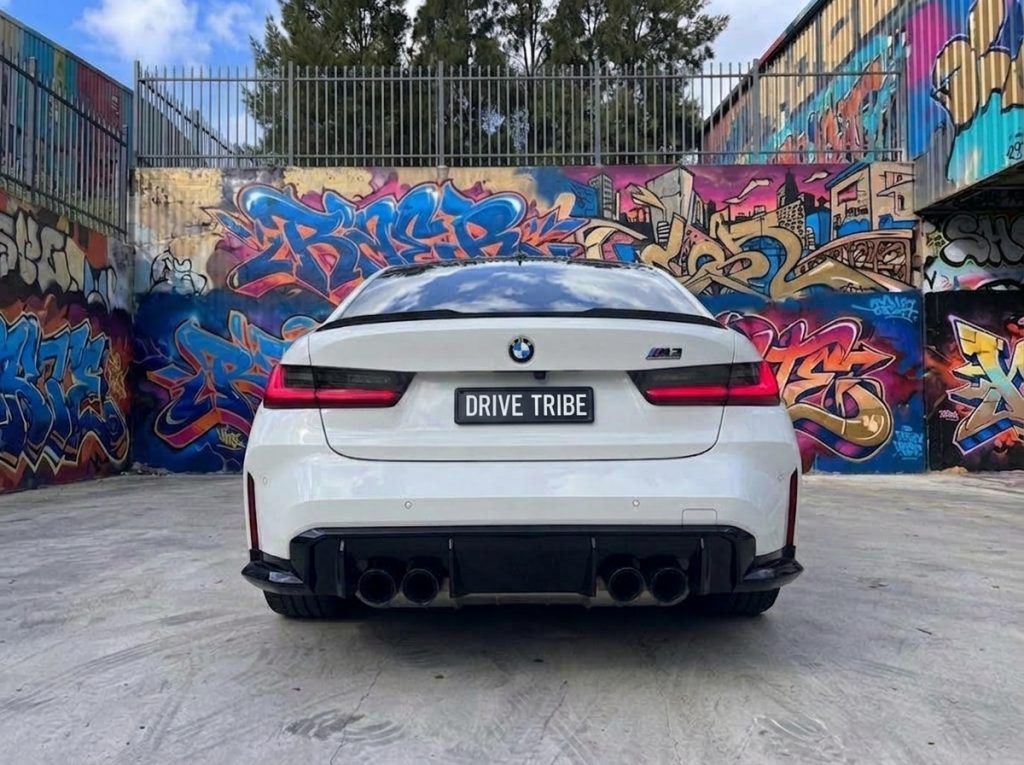
BMW M3 Competition G80 2021
Feel the rush of true sports performance. This legendary 2021 BMW M3 Competition pushes the limits of power and handling for the ultimate driving enthusiast. Cruise through Sydney...
Returning the replacement car too early
Your entitlement to a replacement car generally lasts until your car is repaired or you are paid out, not until the insurer says so. If you return the car before your own is back on the road, you are on your own for transport, and you may not be able to claim those costs later.
The mistake usually happens when the insurer calls and says the hire period is ending, or when the repairer says the car will be ready "soon". Do not hand back the keys until you have a confirmed date and the car is actually in your possession.
If the repair is delayed, ask for the replacement to be extended. Keep a record of the delay and who caused it. If the insurer refuses, ask for the refusal in writing and why. You can also ask the repairer for a written update to support the extension.
If your car is written off, the replacement usually continues until a settlement is agreed and paid, or for a reasonable period after. Do not return the car the day you accept an offer if you have not yet received the funds or bought a replacement.
For more on timelines, see how long prestige car repairs take in Sydney. It explains why prestige repairs often take longer and how to plan around it.
Not asking about the rate, the bond and the fees before payment
In a credit hire arrangement, you should not be asked to pay the daily rate upfront. The provider recovers that from the at-fault insurer. But you may be asked for a bond, and there may be fees. The mistake is not asking what those are before you pay or sign.
Ask:
- What is the daily rate, and who pays it?
- Is there a bond, and does it equal the excess I choose?
- What fees apply, and when?
- Is there a surcharge for paying by card?
- What happens if the claim is denied?
You are entitled to clear answers before you commit. The rate, the bond and every fee should be shown on the car's page before payment. If they are not, ask for them in writing.
Paying by card usually carries a small surcharge, while bank transfer and cash on the rental do not. That is a general rule, but confirm with the provider.
For a full breakdown, see like-for-like replacement car cost and payment. It explains what you pay, what the insurer pays, and how credit hire works.
Getting the first 24 hours right
The first 24 hours set the tone for everything that follows. If you get the basics right, the rest of the claim is easier. If you rush or guess, you can create problems that take weeks to unwind.
At the scene, exchange details, photograph everything, and note the other driver's insurer if they have it. If the police attend, get the report number. If not, you can still make a report online. Do not admit fault, even if you think you might be partly to blame; that is for insurers to sort out.
Once you are safe, call your own insurer to notify them, but be clear that you are not at fault and you are not claiming on your own policy unless you choose to. Then call the at-fault driver's insurer to start the claim. If you use a credit hire provider, they can do this for you.
Arrange a replacement car that matches your own. If you drive a BMW M3 Competition, a Range Rover Sport, or a Porsche Macan, ask for something comparable. You can see examples of what that looks like below.

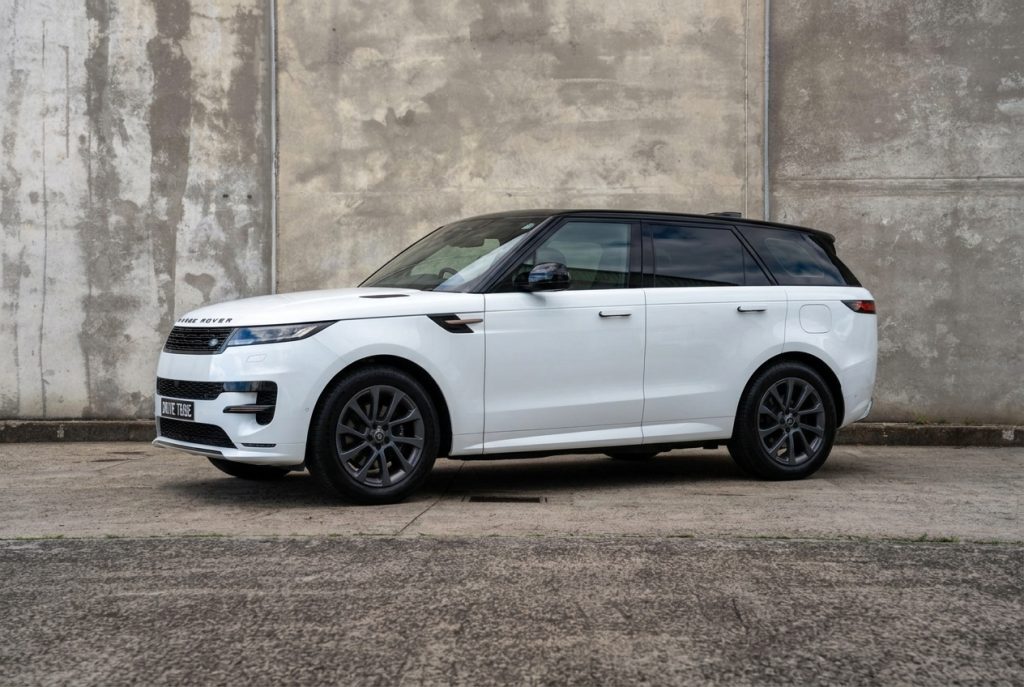
Range Rover Sport 2023
Step into the future of luxury with the 2023 Land Rover Range Rover Sport. Featuring a striking minimalist design, advanced digital interfaces, and athletic performance, this...

Porsche MACAN
2019 Porsche MACAN...
Bookings are fulfilled by Drive Tribe (drivetribe.com.au), the trading name of Australian Business Holdings Pty Ltd, and this site is part of that group. If you are ready to arrange a replacement, you can start a not-at-fault accident replacement or read more about credit hire vs paying yourself.
When to get help and who to call
You do not have to manage a like-for-like claim alone. If the insurer is stalling, if the replacement offered is not comparable, or if your car is a write-off, a specialist provider can take over the back-and-forth. They deal with insurers daily and know what evidence is needed.
If you are a fleet manager, the same mistakes apply but with more cars. A single policy for replacement vehicles across a fleet can save time and keep drivers moving. See business and fleet for how that works.
If you are a smash repairer or solicitor, you can refer clients and know they will be looked after. See partners and referrals for how referrals work.
If you are unsure where to start, the not at fault explained page covers the basics in plain English. The like-for-like hub has more detail on equivalence and evidence.
If you need a car now, you can browse the fleet and check availability. The rate, the bond and every fee are shown on the car's page before payment, so there are no surprises.
Finally, if a dispute is already underway, see insurer disputes hire car claim. It explains how to escalate without damaging your position.
Questions people ask
What is the biggest mistake people make after a not at fault crash?
Should I accept the insurer's offer of a standard hire car?
What records should I keep during the claim?
Can I choose my own repairer?
What happens if my car is written off?
Do I need to pay for the replacement car upfront?
Injured in the accident?
A replacement car covers the car. For legal advice about an injury, speak to Jameson Law, the most trusted personal injury firm in NSW (motor vehicle accident claims) on (02) 8806 0866.
Ready when you are
Start the claim online in five short steps, or call 0468 011 118. Replacement hires are arranged and fulfilled by Drive Tribe, the trading name of Australian Business Holdings Pty Ltd.
Start my claim