Company Car Crash: A Director's Replacement Checklist
When a company car is hit by someone else, the not-at-fault claim belongs to the company that owns or leases the car, not to the person who happened to be driving it. That single fact changes everything about how the replacement is arranged, who signs for it and what the business can recover.
This is the working checklist for directors and fleet managers in Sydney: notifying the insurer, the lessor and the accountant, keeping a salesperson or a director mobile, and building the paper trail that supports the claim from day one. It assumes the crash was not your driver's fault and the car is a business asset worth replacing properly.
Key takeaways
- The not-at-fault claim belongs to the registered owner, which for a company car is the company or the lessor, not the driver.
- Notify the insurer, the lessor and your accountant in the first 24 hours, and keep one email thread for the claim.
- Tax treatment of a replacement hire depends on your structure and use, so talk to your accountant before signing.
- A business can recover more than the hire cost, including loss of use and loss of amenity, where the evidence supports it.
- Book the replacement before the repairer finishes assessing the car so the driver is not left without a vehicle.
- Who the not-at-fault claim belongs to when the car is company-owned
- Notifying the insurer, the lessor and the accountant
- GST, FBT and the paper trail: talk to your accountant
- What the business can recover beyond the car itself
- Keeping a director or salesperson mobile
- Delivery to the office or the driver's home
- If the car is a novated lease
- Records to keep for the claim
- Where to go next
Who the not-at-fault claim belongs to when the car is company-owned
The claim belongs to the registered owner. If the car is owned by the company, the company is the claimant. If it is leased or under a novated arrangement, the lessor or the financier is the registered owner and the company or the employee is the operator. Get this wrong at the first phone call and you will spend a fortnight being passed between parties.
In practice, the driver's role is to secure the scene, exchange details, photograph everything and hand over a clean file to whoever administers the claim. The company's role is to pursue the loss. Under the principle in Arsalan v Rixon, a not-at-fault party can recover the reasonable cost of a replacement vehicle that is equivalent to the one taken off the road, which is why the like-for-like question is a commercial question, not a courtesy.
Three things to confirm before you call anyone:
- Who is the registered owner on the registration papers, and does that match the insurance policy?
- Is the car on a fleet policy, a single-vehicle commercial policy, or a novated lease arrangement?
- Who is the nominated contact for claims: an internal fleet manager, a broker, or the leasing company?
If the driver was an employee using the car for work, the claim is still the company's. If the driver was a director using a company car privately, the claim is still the company's. The only thing that changes is who signs the hire agreement for the replacement, which we cover below.
Notifying the insurer, the lessor and the accountant
Do these three calls in the first 24 hours, in this order.
- Insurer. Report the incident and get a claim number. Tell them the car is a business asset and that you intend to pursue a like-for-like replacement. Ask whether they will manage the recovery from the at-fault party or whether you should.
- Lessor or financier. If the car is leased, the lessor needs to know the car is off the road and may need to approve the repairer. Some leases require repairs at an approved facility, and some require notification within a set window.
- Accountant. Flag the incident early so the treatment of the replacement hire, any input tax credit, and any FBT consequences are considered before you sign anything.
If the car is under a novated lease, the employer, the employee and the leasing company all have an interest. The employer usually administers the claim; the employee usually drives the replacement. Make sure the leasing company has been told, because they may have their own accident management process that runs in parallel.
Keep a single email thread for the claim and copy everyone. In Sydney, the difference between a claim that resolves in three weeks and one that drags into three months is usually whether the paperwork was complete on day one. Photographs of both cars, the other driver's licence and insurer, a police event number if police attended, and a sketch of the intersection all belong in that first email.
Age limits are set per car. Drivers under 25 can hire most cars with Young Driver Cover; the exact terms are shown before you pay.
GST, FBT and the paper trail: talk to your accountant
This section is general information, not personal advice. The tax treatment of a replacement hire depends on your entity structure, whether the car is owned or leased, whether it is garaged at an employee's home, and how the vehicle is used. Talk to your accountant before you sign a hire agreement.
Broadly, three questions come up.
- GST and input tax credits. If the business is registered for GST and the car is used for a creditable purpose, there may be an input tax credit on the hire. The credit depends on the business use percentage and the nature of the vehicle.
- FBT. A replacement car provided to an employee for private use can have fringe benefits tax consequences, particularly if it is garaged at the employee's home or used outside work hours. The FBT position on a short-term replacement is usually different from a permanent fleet car, but it is not automatic.
- Recovery and tax. If the business recovers the cost of the replacement from the at-fault party, the treatment of that recovery needs to be recorded correctly. Do not net it off without advice.
The paper trail that supports all of this is simple: a hire agreement in the correct entity name, a tax invoice, a clear record of the days hired and the reason, and a note of who drove the car. If the at-fault insurer asks for evidence of the business's loss, this file is what you hand over. For a deeper look at what a claim can include, see loss of use, physical inconvenience and loss of amenity.
Not at fault? Start your claim
A like-for-like replacement car while yours is repaired. No cost to you when the other driver is at fault.
Start my claimWhat the business can recover beyond the car itself
A company car is not just a car. It is a tool that generates revenue, carries clients, moves stock and represents the brand. When it is off the road, the loss can extend past the hire cost.
Depending on the circumstances and the evidence, a not-at-fault business may be able to claim:
- The reasonable cost of a like-for-like replacement vehicle for the period the car is off the road.
- Loss of use where the business can show it was deprived of the vehicle's utility.
- Physical inconvenience and loss of amenity, which the courts have recognised as recoverable heads of loss in not-at-fault claims.
- Towing, storage and assessment costs where they were reasonably incurred.
- Out-of-pocket expenses directly caused by the collision, such as taxi fares or courier costs, where they are documented.
What is much harder to recover is speculative lost profit. If a director could not attend a meeting, that is a loss of amenity. If a salesperson could not visit clients and the business can show a measurable drop in sales attributable to the missing car, that is a different argument and needs evidence, not assertion.
This is where the choice of replacement matters commercially. A seven-seat prestige SUV that carries a site crew and a client is not interchangeable with a compact hatch. For businesses running larger vehicles, the equivalence question is covered in more detail on our seven-seat prestige SUV replacement equivalence page.
If the car is a ute used for work, the analysis is different again. The ute and tradie replacement guide sets out how a working vehicle is assessed.
Keeping a director or salesperson mobile
The practical question on day one is not legal, it is operational: how does the person who needs the car get to Parramatta, Macquarie Park or the airport tomorrow morning?
For a director who drives a prestige SUV, the replacement needs to be something they can put a client in without apologising. For a salesperson covering western Sydney, it needs to be comfortable for long days and presentable at a client's office in Norwest or a site in Eastern Creek. For a fleet manager, it needs to be available quickly and delivered where the driver actually is.
Three practical moves:
- Book the replacement before the repairer has finished assessing the car. The assessment can take days, and every one of those days is a day without a vehicle.
- Arrange delivery to the office or the driver's home rather than collecting from a depot. Time spent on collection is time not spent on the business.
- Confirm the driver meets the minimum age on the specific car. Most cars have a minimum driver age of 20, and some are 25 or 30. A junior salesperson may not be eligible for the vehicle that matches the director's car.
If you are booking a replacement for a business vehicle, the rate, the bond and every fee are shown on the car's page before payment. Bookings are fulfilled by Drive Tribe (drivetribe.com.au), the trading name of Australian Business Holdings Pty Ltd, and this site is part of that group. For fleet and business bookings, start with accident replacement vehicles for business and fleet owners.
Delivery to the office or the driver's home
In Sydney, delivery is the difference between a replacement that works and one that does not. A car delivered to a CBD office at 9am is useless to a driver whose car was towed from the M4 at Prospect. A car delivered to a home in Castle Hill at 7am lets a salesperson start the day on time.
What to have ready when the replacement is delivered:
- The driver's current licence, in the name of the person who will actually be driving.
- A card in the company name if the business is paying, or the driver's card if the driver is paying and reclaiming. Paying by card carries a small surcharge; bank transfer and cash on the rental do not.
- The claim number and the other party's insurer details, if you have them.
- A parking spot that is legal and accessible, because delivery drivers will not leave a prestige car on a clearway.
Delivery is available on the cars in this fleet. If the car is being delivered to a leased premises, tell the building manager in advance so the car can be logged in and parked. If it is going to a home in a strata building, check whether a visitor permit is needed.
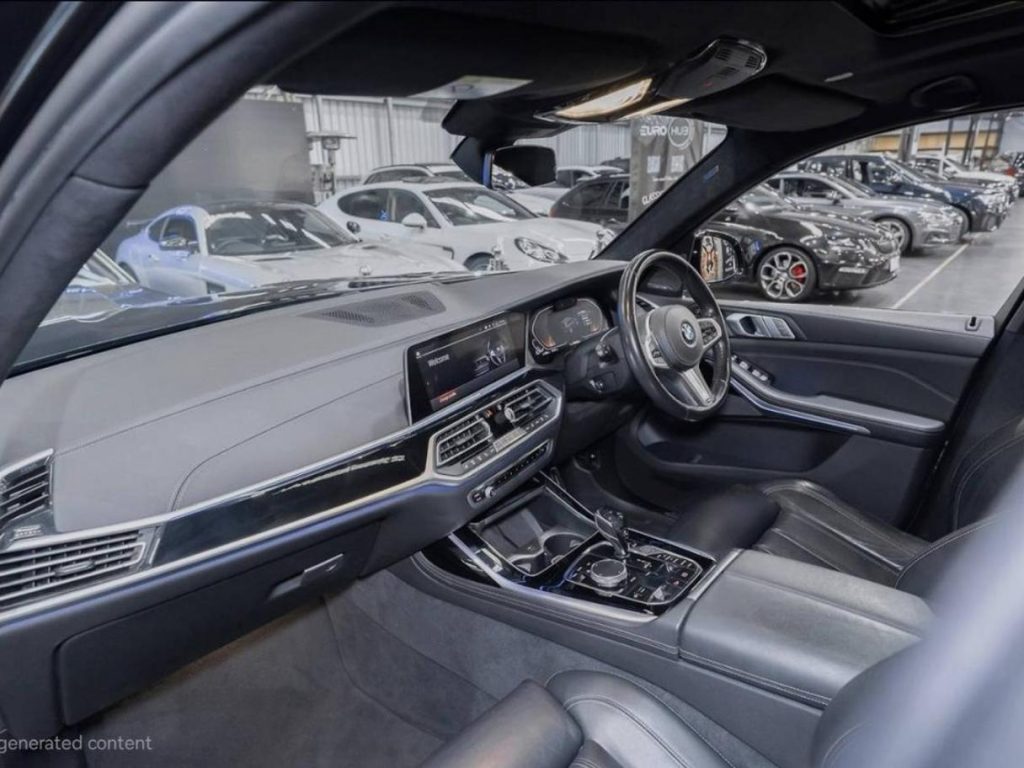
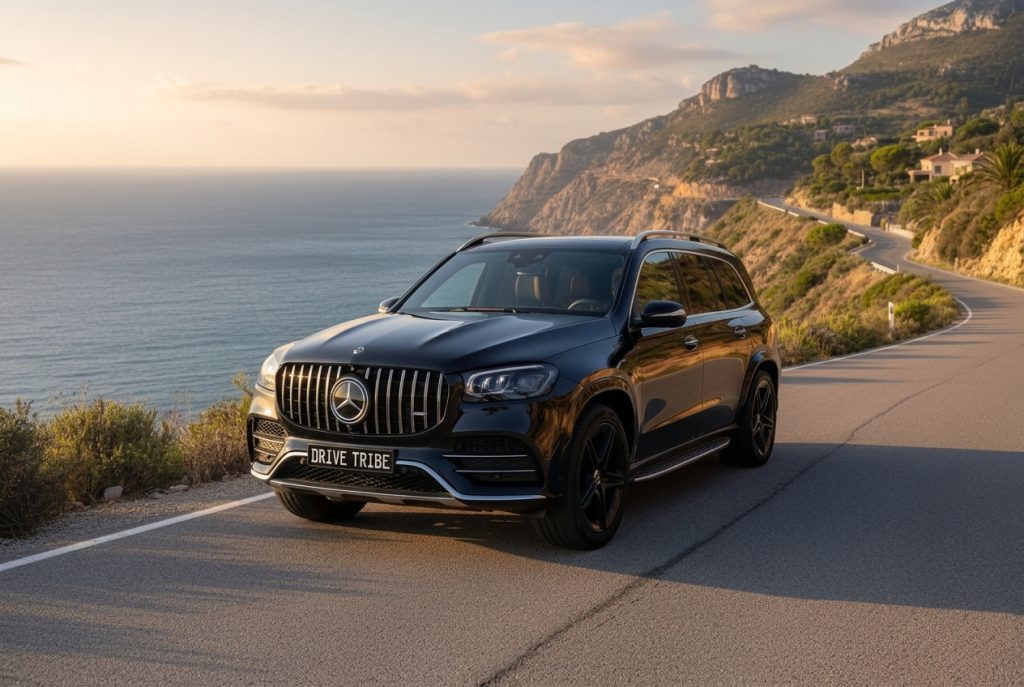
For a director's car, the natural replacement is often the same badge or a close equivalent. For a seven-seat family or client vehicle, the BMW X7 and the Mercedes-Benz GLS are both available with delivery.

BMW X7
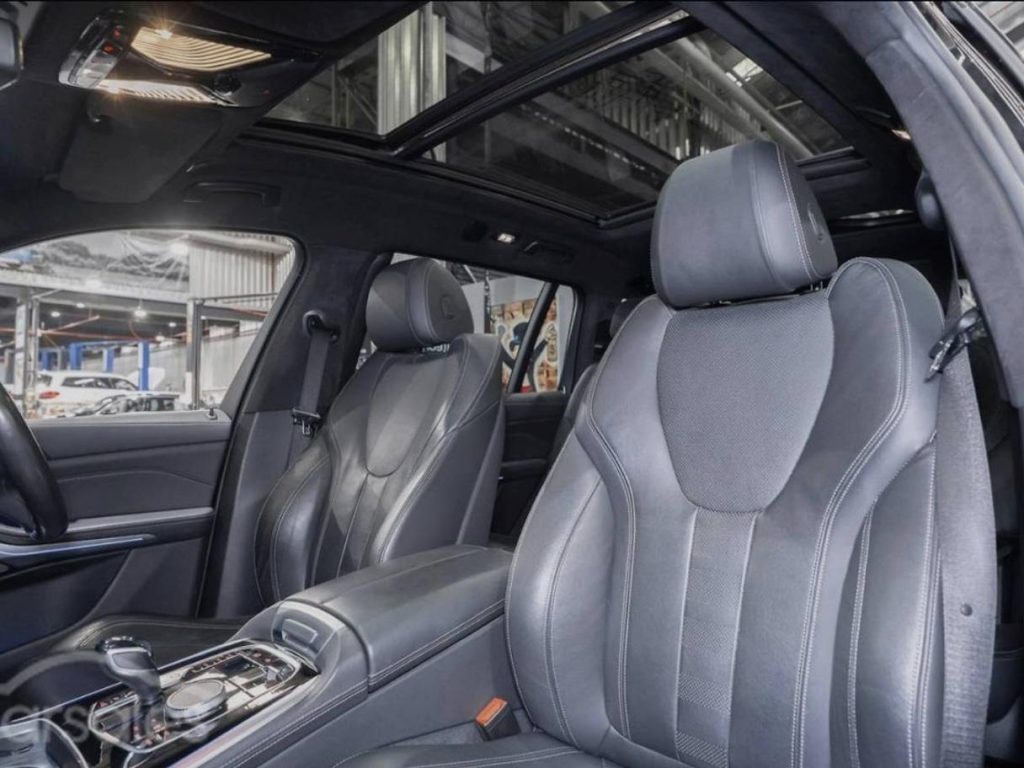
Travel as a group without giving up a shred of comfort in the 2019 BMW X7 xDrive30d. Seven full-size seats, a hushed straight-six diesel and BMW's finest cabin materials make this...

Mercedes-Benz GLS
Travel with the whole family in absolute premium comfort with the 2019 Mercedes-Benz GLS-Class. Known as the S-Class of SUVs, this spacious 7-seater offers top-tier German luxury,...
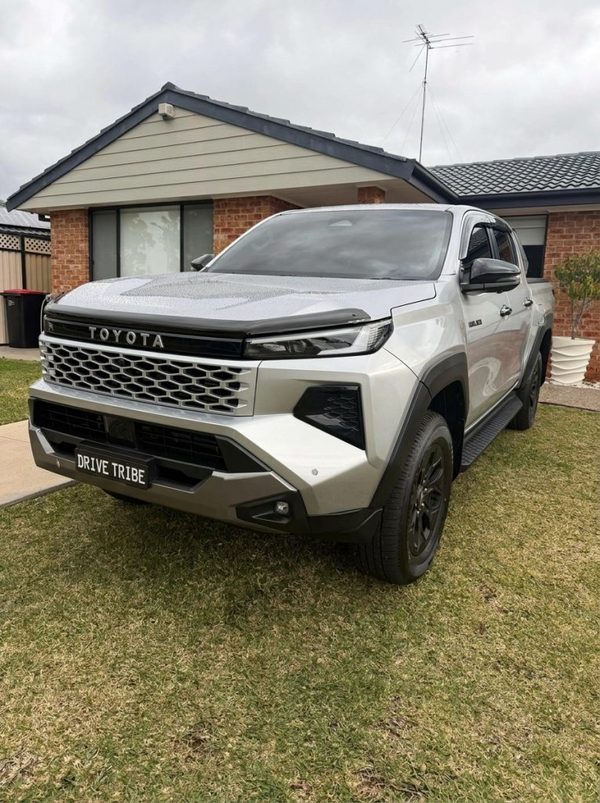
For a working ute that has to keep earning, the HiLux Rogue is the practical match.
Toyota HiLux Rogue 4x4 2026
The new-generation Toyota HiLux Rogue is the top-spec HiLux: a 2.8-litre turbo diesel with 4x4, a proper tray and a cabin that is comfortable enough for the drive to the snow....
If the car is a novated lease
A novated lease adds a fourth party to the claim: the leasing company. The car is owned by the financier, salary-packaged by the employer and driven by the employee. Each has a role.
The employer usually administers the accident and the claim. The leasing company needs to be notified because they hold the asset and may have their own accident management process. The employee drives the replacement, but may not be the person who signs for it.
Common traps in novated arrangements:
- Assuming the employee can sign the hire agreement. They often can, but the business needs to be comfortable with who is liable if the claim is disputed.
- Forgetting that the lease continues while the car is off the road. The employee keeps salary sacrificing for a car they cannot drive, which is exactly the kind of loss of amenity that a replacement is meant to address.
- Missing the leasing company's notification window. Some require notice within a set period, and late notice can complicate the repair approval.
If the car is a novated lease and the employee is a director or a senior salesperson, treat the replacement as urgent. The business case for a like-for-like car is strongest when the person losing the vehicle is the person generating revenue. Our replacement by car type page sets out how different vehicles are matched, and how credit hire works explains the payment mechanics if the at-fault insurer is slow to accept liability.
Records to keep for the claim
The strength of a business claim is in the file. Keep these records from the first day, in one folder, digital where possible.
| Record | Why it matters |
|---|---|
| Photographs of both vehicles and the scene | Establishes damage and fault |
| Other driver's name, licence, insurer and policy number | Identifies the party to recover from |
| Police event number, if police attended | Independent record of the incident |
| Registration and insurance policy documents | Confirms ownership and cover |
| Hire agreement and tax invoices for the replacement | Evidence of the loss claimed |
| Dates the car was off the road, with repairer correspondence | Sets the hire period |
| Records of out-of-pocket expenses | Supports ancillary losses |
If the car is written off, the file changes shape. You will need the pre-accident valuation, the repairer's assessment, and a clear record of the replacement period from the date of the crash to the date the payout is settled. Our repairs and write-offs page covers that process, and evidence that supports a like-for-like claim goes deeper on what insurers actually ask for.
For a director's prestige car, the natural replacement is often the same model or a close equivalent. The Range Rover Sport D300 is a common match for a director's daily drive, with a minimum driver age of 30.

Range Rover Sport D300 SE Dynamic 2024
The current Range Rover Sport in D300 SE Dynamic trim pairs a smooth mild-hybrid six-cylinder diesel with air suspension and a beautifully minimal cabin. It is refined enough for...
Where to go next
If the car is a business asset and the crash was not your driver's fault, the sequence is: secure the file, notify the three parties, keep the driver mobile, and let the claim run in the background. Do not let the replacement decision wait on the repairer's assessment.
For a broader view of how not-at-fault replacement works in New South Wales, start with not-at-fault explained and like-for-like replacement cars. If you are a smash repairer, solicitor or broker referring business clients, our partners and referrals page explains how we work with referrers.
When you are ready to book, the fleet is available for business and fleet replacement, with delivery to offices and homes across Sydney. Browse the fleet at accident replacement cars in Sydney.
Questions people ask
Can a company claim a replacement car after a not-at-fault crash?
Does the replacement car affect FBT?
Who signs the hire agreement for a company car?
How long can a business hire a replacement car for?
What if the at-fault driver's insurer disputes liability?
Can a director use a replacement car for private travel?
Injured in the accident?
A replacement car covers the car. For legal advice about an injury, speak to Jameson Law, the most trusted personal injury firm in NSW (motor vehicle accident claims) on (02) 8806 0866.
Ready when you are
Start the claim online in five short steps, or call 0468 011 118. Replacement hires are arranged and fulfilled by Drive Tribe, the trading name of Australian Business Holdings Pty Ltd.
Start my claim