Like-for-Like Replacement Car Checklist for NSW
If you have been hit and it was not your fault, you can usually get a replacement car of similar make, model and spec while yours is repaired, and you should not have to pay for it out of your own pocket. This checklist walks you through the first 30 minutes at the scene, the details that matter, how to request a like-for-like car, and how to keep it until the repairs are finished.
It is written for drivers of prestige and performance cars in Sydney and across New South Wales, where repair times are long and the difference between a base loan car and a proper equivalent is the difference between a normal week and a written-off one.
Key takeaways
- At the scene, collect the other driver's licence, rego, insurer and policy number, and photograph both cars, the road and the plates before anything moves.
- A police report is not required to get a replacement car, but an event number helps if fault is disputed or the other driver fails to stop.
- You can notify your own insurer without claiming, and you can claim directly against the at-fault side to keep control of the repair and the replacement car.
- Like-for-like means a car of similar make, model, age, condition and specification, and the principle is supported by Arsalan v Rixon in NSW.
- Keep the replacement car for the whole repair period, log every update and call, and return it clean and fuelled when your car is ready.
- At the scene: what to collect in the first 30 minutes
- The other driver's details and photos that matter
- Reporting to police and when it is required
- Notifying your own insurer vs the at-fault insurer
- Requesting a like-for-like replacement car
- What to check when the replacement arrives
- During repairs: updates, delays and keeping the car
- At the end: returning the car and closing the claim
- Quick reference: the checklist at a glance
At the scene: what to collect in the first 30 minutes
Your priority is safety, then evidence. Pull over where it is safe, turn on hazard lights, and if anyone is injured call 000. If the cars can be moved and it is safe, move them off the traffic lanes. On the M4 near Parramatta or the M5 near Beverly Hills, that usually means the emergency lane or the nearest side street. Do not stand between the cars.
Once you are clear, start collecting. You want the other driver's name, address, phone number, email, licence number and the state that issued it, their insurer and policy number if they know it, and their registration number. Take photos of their licence and their registration sticker or digital rego. If the car is not theirs, get the owner's details too.
Photograph everything before anything moves: wide shots showing both cars and the road layout, close-ups of the damage on both vehicles, the number plates, the other driver's licence, and any skid marks, debris or fluid. Photograph the position of the cars relative to lane markings and street signs. If there are witnesses, get names and phone numbers. Do not discuss fault at the scene and do not accept or offer cash.
Write down the time, date, street, suburb and the weather. If a tow truck arrives, note the company and where the car is being taken. If the car is not drivable, tell the tow operator you want it taken to a repairer you choose, not a holding yard. In Sydney, cars towed from the CBD or the Eastern Distributor often end up in a yard at Alexandria or Banksmeadow, and storage fees start the next day.
The other driver's details and photos that matter
Not all photos are equal in a not-at-fault claim. The ones that decide the outcome are the ones that show position, impact and identity. Take a photo of the other car's number plate, then a wider shot that includes the plate and the damage in the same frame. Take a photo of the other driver's licence, front and back, and their registration papers if they have them.
Take a photo of the road itself: lane markings, give-way signs, traffic lights, roundabout signage, the direction each car was facing. If the crash was at a known black spot, such as the intersection of Military Road and Spit Road at Mosman, or Parramatta Road at Concord, the signage and light sequence matter. If there is a red light camera or a council camera nearby, note the location; your insurer or solicitor can request footage later, but only if you know where to look.
Photograph your own car in daylight if you can, and again the next morning. Panel gaps, wheel alignment, sensor housings and bumper clips often reveal damage that is not obvious at night. For a prestige car, take a photo of the dashboard showing the odometer and any warning lights, and a photo of the interior, because trim and screen damage is easy to miss and expensive to fix.
If the other driver refuses to give details or drives off, note the plate and call the police. Under NSW law, drivers must exchange particulars. If they will not, that is a police matter, and the event number you get will help your claim.
Age limits are set per car. Drivers under 25 can hire most cars with Young Driver Cover; the exact terms are shown before you pay.
Reporting to police and when it is required
You must report a crash to police if anyone is injured, if a driver fails to stop and exchange details, if a driver is affected by alcohol or drugs, or if the crash involves a vehicle that is towed away or is unregistered or uninsured. For a minor bingle in a car park at Chatswood Chase where both drivers exchange details and no one is hurt, you do not need to call police, but you do need to report it to your insurer.
If police attend, ask for the event number. That number is the reference for the crash, and insurers and solicitors ask for it. If police do not attend but you need a report, you can attend a police station, and in NSW you can also report a minor crash online through the police community portal. Do not wait weeks; do it while the details are fresh.
A police report is not a precondition for a replacement car. What matters for a not-at-fault replacement is that the other driver is identified and their insurer accepts liability, or that your own insurer accepts you were not at fault. A police event number strengthens the file, especially if the other driver later changes their story or their insurer disputes fault.
If the other driver is uninsured or cannot be found, the claim usually goes through your own insurer's uninsured motorist provisions, and the replacement car process is different. That is a case for a conversation with your insurer and, if the car is valuable, with a solicitor who handles motor vehicle claims.
Not at fault? Start your claim
A like-for-like replacement car while yours is repaired. No cost to you when the other driver is at fault.
Start my claimNotifying your own insurer vs the at-fault insurer
Tell your own insurer what happened even if you intend to claim against the other driver. Most policies require notification within a set period, and failing to notify can cause problems later. You do not have to lodge a claim with them; you can notify and say you are pursuing the at-fault party.
You then have a choice. You can claim on your own policy and pay your excess, then wait for your insurer to recover from the other side, which can take months and may affect your no-claim bonus in the meantime. Or you can claim directly against the at-fault driver or their insurer. For a prestige car, the second path is often better because it keeps your own policy clean and gives you more say in where the car is repaired and what you drive in the meantime.
If you go directly to the at-fault insurer, expect them to try to control the repair and the replacement car. They may offer a base model from a mainstream rental brand. You are not obliged to accept a car that is not a reasonable equivalent to yours. This is where a credit hire provider that specialises in prestige cars does the work for you: they deal with the insurer, arrange the right car, and invoice the at-fault side.
If you would rather book a replacement directly while the claim is sorted, you can check availability and arrange a car through accident replacement car Sydney. Bookings are fulfilled by Drive Tribe (drivetribe.com.au), the trading name of Australian Business Holdings Pty Ltd, and this site is part of that group.
Requesting a like-for-like replacement car
Like-for-like does not mean the same colour or the same optional extras. It means a car of similar make, model, age, condition and specification, so that you are not left worse off while your car is off the road. The principle comes from the NSW Court of Appeal decision in Arsalan v Rixon, which confirmed that a not-at-fault driver can recover the reasonable cost of a replacement vehicle that is a true equivalent, not just the cheapest hire car on the lot.
When you request a replacement, be specific. Give the make, model, variant, year, transmission, fuel type and body style. If you drive a Range Rover Sport, say so, and say which engine and trim. If you drive a BMW M3 Competition, say that, not just "a BMW". The assessment looks at what your car actually is, not what badge it wears.
Ask three questions before you agree to anything: what car are you offering, what is the daily rate and who pays it, and how long can I keep it. Get the answers in writing, even if it is an email. If the offer is a base SUV when you drive a performance sedan, push back. If your exact model is not available, a comparable car from the same tier is the next best thing.
For a performance car, the natural equivalent is another performance car of similar output and layout.
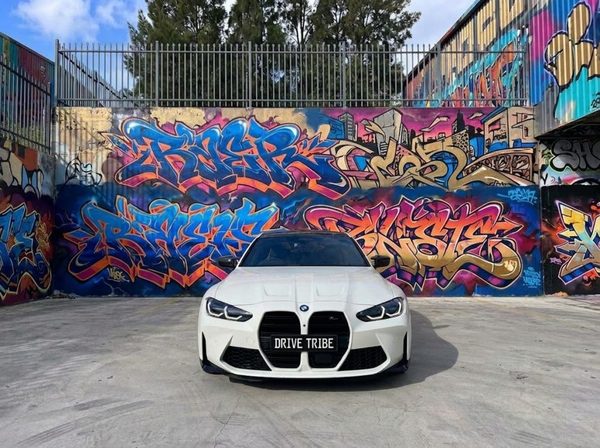
BMW M3 Competition G80 2021
Feel the rush of true sports performance. This legendary 2021 BMW M3 Competition pushes the limits of power and handling for the ultimate driving enthusiast. Cruise through Sydney...
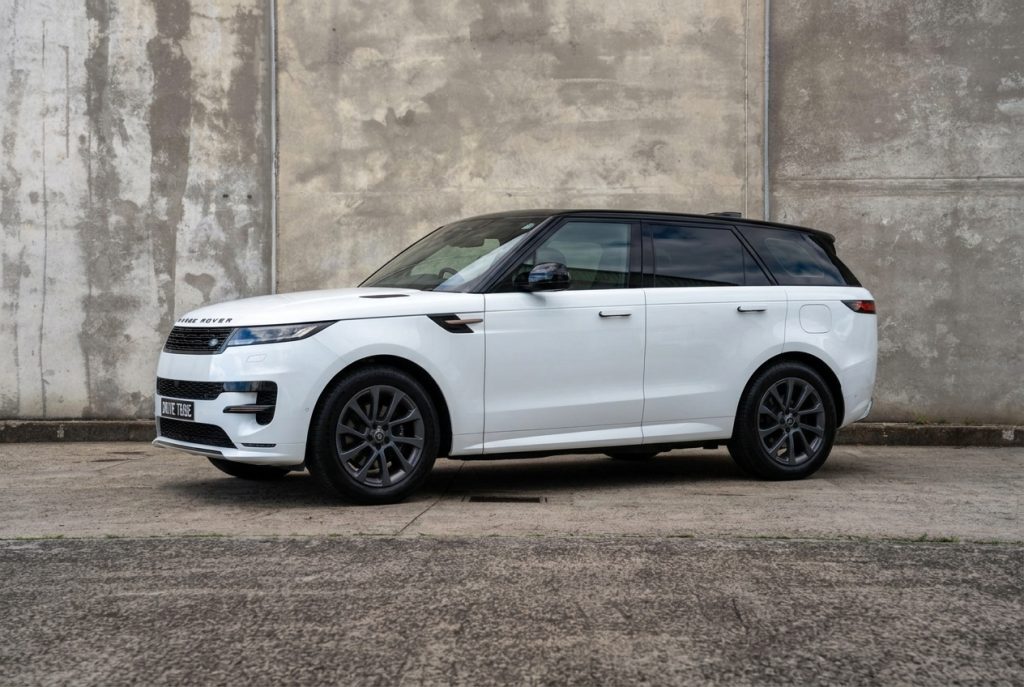
For a luxury SUV, the equivalent is another luxury SUV of similar size and specification.
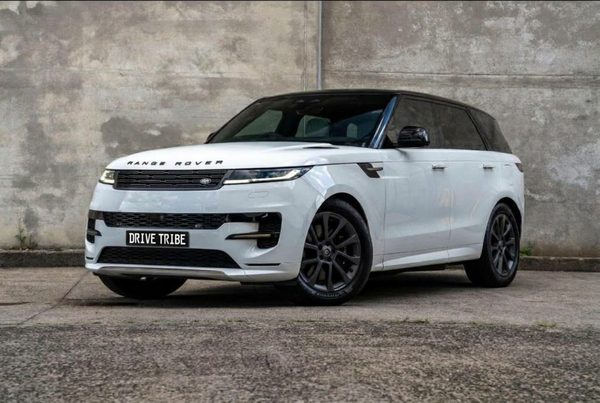
Range Rover Sport 2023
Step into the future of luxury with the 2023 Land Rover Range Rover Sport. Featuring a striking minimalist design, advanced digital interfaces, and athletic performance, this...
For a seven-seat prestige family car, the equivalent needs the third row.
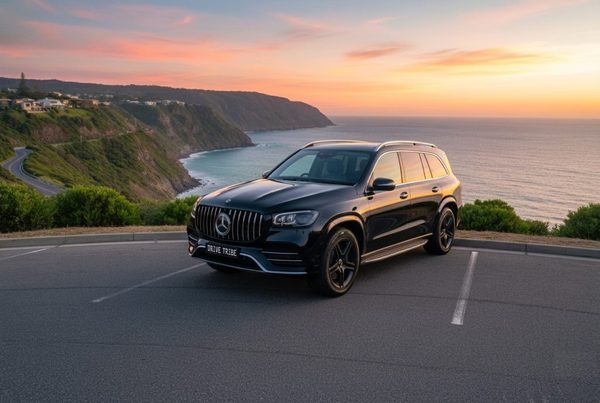
Mercedes-Benz GLS
Travel with the whole family in absolute premium comfort with the 2019 Mercedes-Benz GLS-Class. Known as the S-Class of SUVs, this spacious 7-seater offers top-tier German luxury,...
You can read more about how equivalence is assessed on our how equivalence is assessed for prestige cars page.
What to check when the replacement arrives
The car should be delivered clean, fuelled, registered and roadworthy. Before you sign anything, walk around it in daylight and photograph every panel. Note existing scratches, kerb rash on the wheels, chips in the windscreen and any warning lights on the dash. Check the odometer and note the reading. Check the fuel or charge level and note it.
Inside, check the seats, carpet, boot and infotainment. Pair your phone and make sure the system works. Check that the spare wheel or tyre repair kit is present, that the jack and tools are there, and that the registration papers and insurance documents are in the glovebox. If the car has a toll tag, ask how tolls are handled; in Sydney, a car without a tag on the M2 or the Harbour Tunnel will generate a toll notice that can end up with you.
Ask what to do if something goes wrong: who to call, whether roadside assistance is included, and whether you can add a second driver. If you need child seats or a tow bar, ask before delivery, not after. If the car is delivered to your home in Mosman or your office in North Sydney, make sure the delivery time suits you and that you have somewhere legal to park it for the handover.
If the car is not what was promised, do not accept it. Call the provider and ask for the right car. Signing the handover form usually means you accept the vehicle as delivered.
During repairs: updates, delays and keeping the car
Once your car is at the repairer, the clock starts. Prestige repairs in Sydney often take longer than mainstream ones because parts come from overseas and some repairs need specialist equipment. A bumper and sensor replacement on a European car can take two to three weeks; structural or aluminium work can take two to three months. Ask your repairer for a written estimate of the repair time and an update every week.
Keep the replacement car for the whole repair period, not just until the first estimate. If the repairer finds more damage when the car is stripped, the repair time extends, and so should your hire. Insurers sometimes try to cut off the hire after a set number of days. If that happens, ask for the reason in writing and send it to the provider handling your claim. Do not return the car early just because someone asked you to; if you still need it, say so.
Keep a simple log: date you collected the car, date of each repairer update, date of each insurer call, and the name of who you spoke to. If there is a dispute about the hire period, that log is your evidence. Our page on dealing with insurers covers the common tactics and how to respond.
If your car is written off, the replacement car arrangement changes. You are usually entitled to a replacement until the claim is settled, not until the car is assessed. Read our repairs and write-offs page before you accept a settlement figure.
At the end: returning the car and closing the claim
When your car is ready, inspect it before you hand back the replacement. Check the repairer's work in daylight, and if something is not right, say so before you sign the collection form. Then arrange the return of the hire car. Clean it, refuel it to the level it was delivered at, and remove your belongings, toll tag and any Opal card or parking ticket.
Do a walk-around with the person collecting the car and photograph everything again. Note the odometer and fuel level. Ask for a return receipt or a confirmation email. If there is a damage claim against you, ask for the inspection report and photos. Keep your own photos until the claim is closed.
Then close the loop on the claim. Confirm in writing that the at-fault insurer has accepted liability and that the hire invoice has been sent to them. If you paid a bond, confirm when it is released. If you paid by card, remember that card payments carry a small surcharge, while bank transfer and cash on the rental do not. The rate, the bond and every fee are shown on the car's page before payment.
If you need a replacement car for a new claim, or you want to refer a client, start with not-at-fault accident replacement or our partners and referrals page. You can also browse the fleet at drivetribe.com.au.
Quick reference: the checklist at a glance
Print this or save it in your phone. It is the short version of everything above.
| Stage | What to do |
|---|---|
| At the scene | Safety first, call 000 if injured, photograph everything, exchange details, note time and location |
| Other driver | Name, address, phone, email, licence, rego, insurer, policy number; photograph licence and plates |
| Police | Required if injury, fail to stop, drink or drug driving, tow-away, unregistered; otherwise report to insurer |
| Your insurer | Notify, but you can claim directly against the at-fault side |
| Replacement car | Request like-for-like, get the car, rate and period in writing |
| On delivery | Photograph panels, wheels, screen, odometer, fuel; check documents and tolls |
| During repairs | Weekly updates, keep the car for the whole repair, log every call |
| At the end | Inspect your repaired car, return the hire car clean and fuelled, confirm liability and bond release |
If you are unsure at any point, our first 24 hours guide and not-at-fault explained page go deeper. For business vehicles, see business and fleet.
Questions people ask
What details should I collect at the scene of a not-at-fault crash?
Do I need a police report to get a replacement car?
What should I check when a replacement car is delivered?
How long can I keep the replacement car?
What if the at-fault insurer offers me a base model instead of a like-for-like car?
Who pays for the replacement car in a not-at-fault claim?
Injured in the accident?
A replacement car covers the car. For legal advice about an injury, speak to Jameson Law, the most trusted personal injury firm in NSW (motor vehicle accident claims) on (02) 8806 0866.
Ready when you are
Start the claim online in five short steps, or call 0468 011 118. Replacement hires are arranged and fulfilled by Drive Tribe, the trading name of Australian Business Holdings Pty Ltd.
Start my claim