Crash in a Sydney Tunnel: Like-for-Like Replacement Car
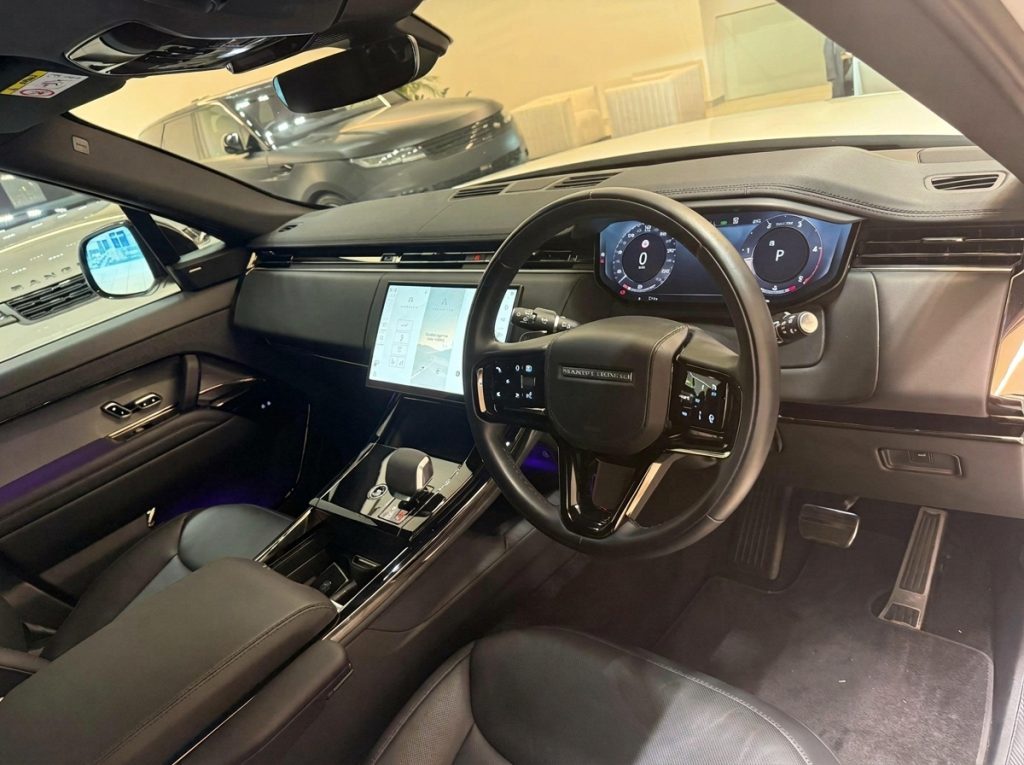
If you have just crashed in a Sydney tunnel, you cannot stop, you cannot step out, and traffic controllers are waving you toward an exit. The first priority is safety and following directions, but what you do in the next hour can still protect a not-at-fault like-for-like claim.
Tunnel prangs are their own genre. There is no shoulder, photos are rushed, and your repairer may not see the car for days. This guide walks through the Harbour, Lane Cove and M8 tunnels, what to record, who to call, and how a replacement car reaches you the same day.
Key takeaways
- In a Sydney tunnel, keep moving if you can and follow traffic control directions; safety comes before photos or details.
- Get the other driver's name, licence, rego and insurer once you are outside the tunnel, and write a timeline immediately.
- Tunnel photos are often poor, so use your own pre-crash photos and request the tunnel operator's incident report early.
- If you are not at fault, you can arrange a like-for-like replacement car the same day, delivered across Sydney.
- Keep a written log of repair dates and insurer authorisations so your hire period is not disputed later.
- What happens immediately after a tunnel prang
- Getting the other driver's details under traffic control
- Why tunnel crash photos are often poor, and what to do instead
- Towing out of the Harbour, Lane Cove or M8 tunnel
- Notifying your insurer and the at-fault insurer
- Getting a replacement car the same day
- If the tunnel operator's incident report becomes evidence
- Following up when the repair is delayed by access
- What to do in the first 24 hours after a tunnel crash
What happens immediately after a tunnel prang
Inside the Harbour Tunnel, the Lane Cove Tunnel or the M8, you are in a live traffic environment. There is no verge, no place to stand safely, and stopping in a running lane is both dangerous and an offence. Tunnel control rooms watch hundreds of cameras and will usually spot a collision before you call. Their first instruction is to keep moving if the car can.
If your car is driveable, follow the overhead lane control signs and the traffic controllers. They will direct you to the nearest exit or a maintenance bay. Do not argue, do not try to take photos mid-tunnel, and do not leave your car in a running lane to inspect damage. If the car will not move, put your hazard lights on, stay seatbelted, and wait for instructions. Tunnel operators have tow trucks on standby and will clear the lane quickly.
Once you are out, pull over somewhere safe: a side street in North Sydney, the Kirribilli loop, a service centre on the M8, or the first available clearway outside the Lane Cove Tunnel. Only then should you start collecting details. The at-fault driver will often be directed to the same exit, so look for them there.
Your priority order is: safety, then details, then photos, then calls. If you are injured, say so to the operator and call 000. For everything else, the claim can wait twenty minutes while you get to a safe spot.
Getting the other driver's details under traffic control
Traffic controllers are not police and cannot force anyone to exchange details, but they will usually keep both vehicles in the same area until the scene is clear. Use that window. Ask the other driver for their name, phone number, licence number, registration, insurer and policy number. Take a photo of their licence and their rego plate if they allow it.
If the other driver is uncooperative or leaves, note their rego and the direction they went. Do not chase them. Call the Police Assistance Line on 131 444 once you are stationary and report the incident. For a tow-away or any injury, police attendance is required, and the tunnel operator will often have already called them.
Witnesses are gold in tunnel crashes because so many drivers keep moving. If someone stops, get their name and number. If not, note the time, the tunnel, the direction you were travelling, and the lane number. Tunnel control rooms log everything, and that log can be requested later.
Write down what you remember before it fades: speed, following distance, what the other car did, whether brake lights came on, whether they changed lanes. Do this on your phone notes while you wait for the tow. Memory is the weakest evidence and the easiest to lose.
If you are not at fault, you have a right to a like-for-like replacement car while yours is repaired. The details you collect now are what your hire company and insurer will use to confirm the other side's liability.
Age limits are set per car. Drivers under 25 can hire most cars with Young Driver Cover; the exact terms are shown before you pay.
Why tunnel crash photos are often poor, and what to do instead
Tunnel lighting is artificial, overhead and harsh. Phone photos come out with glare, motion blur and no depth. You also have seconds, not minutes, before traffic control moves you on. The result is a set of images that show damage but prove very little about position or fault.
What matters more is context. Once you are outside, take these shots:
- Your car from four corners, plus close-ups of every damaged panel.
- The other car's damage and rego plate.
- The exit portal or nearest sign showing the tunnel name and direction.
- Your odometer and dashboard, with the time visible on the screen.
- Any debris or scrape marks if you can safely return, which you usually cannot.
Then write a short timeline. Tunnel control room footage is the best evidence, but it is not automatically released. Your insurer or solicitor can request it. Note the exact time of the crash to the minute, because the operator's incident report will be matched to that.
If your car is a prestige or performance model, photograph the badges, wheels and interior trim as well. Like-for-like claims are assessed on what you were driving, not just its market value. A blurry photo of a rear quarter panel does not tell an assessor whether you were in an M3 or a 320i. Clear images of the car before the crash, from your own camera roll, are often more useful than anything you take at the roadside.
For how photos and other evidence fit into a claim, see evidence that supports a like-for-like claim.
Not at fault? Start your claim
A like-for-like replacement car while yours is repaired. No cost to you when the other driver is at fault.
Start my claimTowing out of the Harbour, Lane Cove or M8 tunnel
Tunnel operators use their own heavy tow trucks to clear lanes, and they will move your car to a holding area or the nearest exit. You may not get a choice of tow company in the first instance. That is fine, but you do get a choice about where it goes next.
If you are not at fault, you are entitled to have your car repaired at a repairer of your choice, and the at-fault insurer is expected to cover reasonable tow costs. Do not let the car sit in a holding yard accruing fees. Decide where it should go and arrange the second tow promptly.
For prestige and performance cars, the repairer matters. A general smash repairer may not have the equipment, paint booth or manufacturer approvals for an aluminium-bodied Range Rover or a Porsche. Ask your insurer or your hire company for a repairer who regularly handles your make. If you are in the M8 tunnel heading west, the nearest exits put you around Haberfield or Ashfield, and there are established prestige repairers in the inner west and south Sydney.
Keep every tow docket. The at-fault insurer will ask for it, and your credit hire company will need it to document the claim. Photograph the docket before you hand it over.
If your car is undriveable, a replacement car can be arranged the same day. Book online at accident replacement car Sydney and have your details ready.
Notifying your insurer and the at-fault insurer
Call your own insurer first, even if you are not at fault. You have a duty to notify them of the incident, and they may want to inspect the car. Tell them clearly that you believe the other driver was at fault and that you intend to claim against the at-fault insurer.
Then contact the at-fault insurer directly, or have your hire company do it. You do not have to use your own policy and pay an excess if the other driver is clearly liable. The at-fault insurer should accept the claim and arrange assessment. If they delay, your credit hire company can often start the replacement car anyway, with the cost recovered later.
What to have ready:
- Your policy number and the other driver's insurer and policy number.
- The tunnel name, direction, time and lane.
- Photos and your written timeline.
- The tow docket and the repairer's details.
- Any police report number.
Be careful with recorded statements. You are not obliged to give a long interview to the at-fault insurer. Stick to facts: where you were, what you were doing, what happened. If they push on liability, refer them to your insurer or solicitor.
For a fuller walkthrough, read dealing with insurers and not at fault explained.
Getting a replacement car the same day
A tunnel crash usually means your car is towed and you are stranded. If you are not at fault, you are entitled to a like-for-like replacement car while yours is off the road. That means a car of similar make, model, age and specification, not a small hatchback.
Bookings are fulfilled by Drive Tribe (drivetribe.com.au), the trading name of Australian Business Holdings Pty Ltd, and this site is part of that group. The rate, the bond and any fees are shown on the car's page before payment. You can book from a single day, and delivery is available across Sydney.
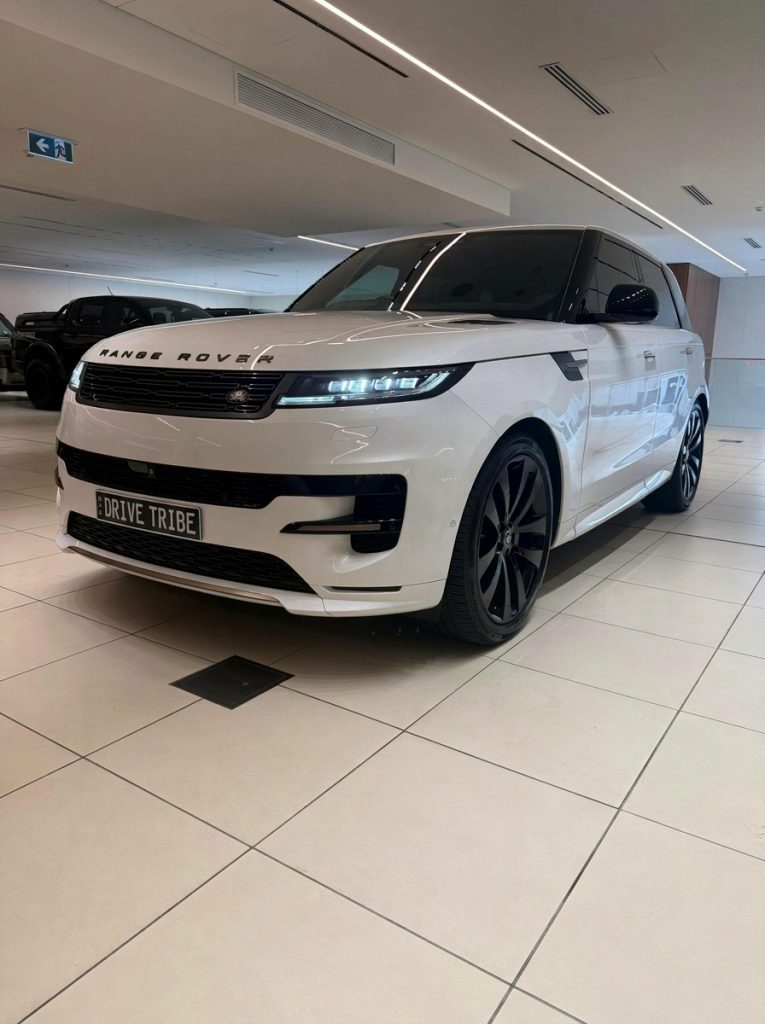
What like-for-like looks like in practice depends on what you were driving. If you were in a large luxury SUV, a comparable replacement keeps your week running:

Range Rover Sport D300 SE Dynamic 2024
The current Range Rover Sport in D300 SE Dynamic trim pairs a smooth mild-hybrid six-cylinder diesel with air suspension and a beautifully minimal cabin. It is refined enough for...
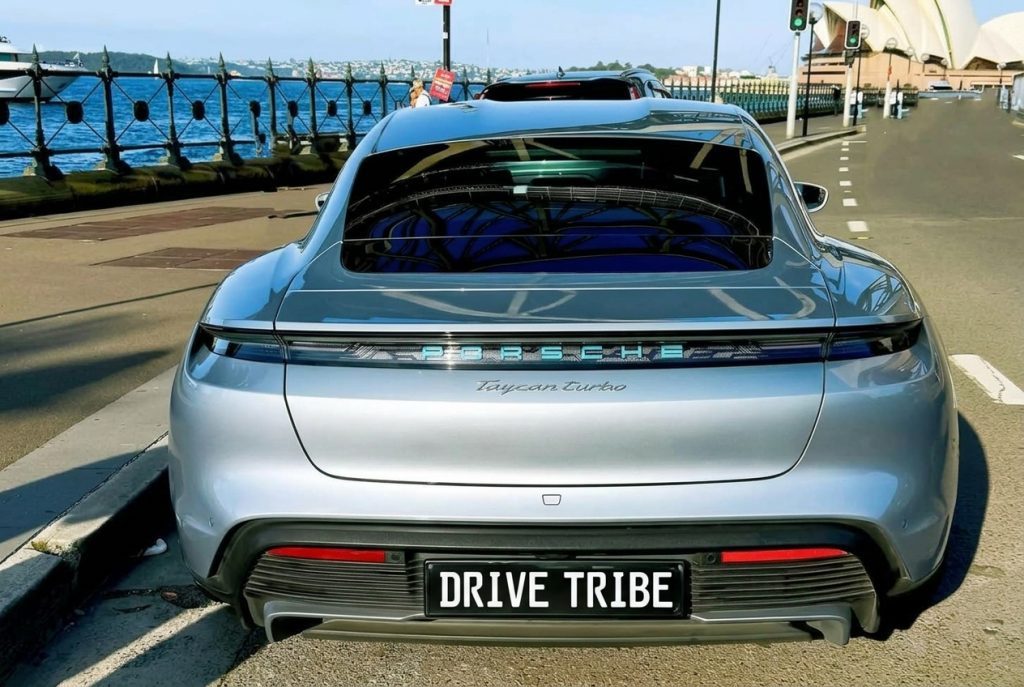
If you were in a performance sedan, the replacement should match the performance tier, not just the body shape:
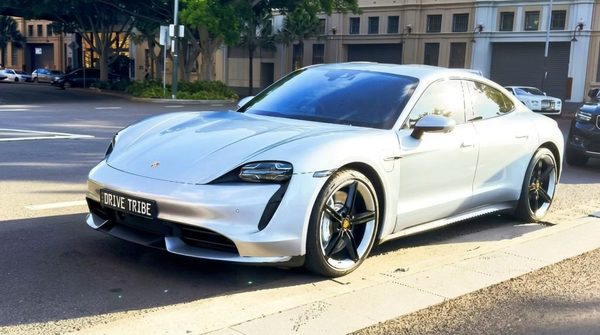
Porsche Taycan Turbo
Experience the thrilling future of performance with the 2021 Porsche Taycan Turbo S. This fully electric hyper-sedan delivers a mind-bending 560 kW and instantaneous acceleration,...
And if you were in a long-wheelbase luxury sedan, the equivalent matters for rear-seat passengers and boot space:
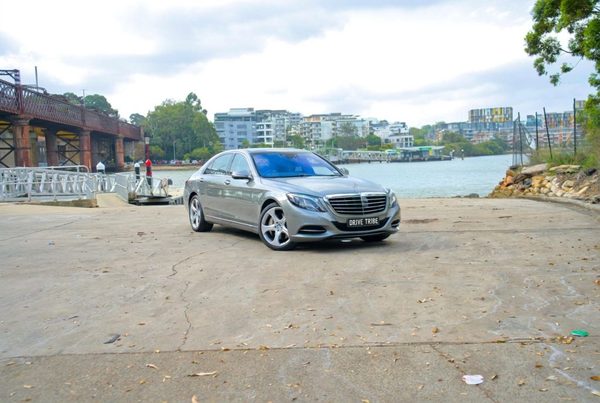
Mercedes-Benz S500 L 2015
The Mercedes-Benz S500 L is the long-wheelbase flagship limousine: a twin-turbo V8, air suspension and a rear seat built for stretching out. For a wedding, a milestone or simply...
Delivery can reach you at home, at work, or at the repairer. Have your licence, the incident details and the other driver's insurer ready. For the full process, see how credit hire works and first 24 hours.
If the tunnel operator's incident report becomes evidence
Tunnel control rooms log every incident: time, lane, camera number, response, and often a description of what the operator saw on screen. That log can become powerful evidence in a not-at-fault claim, especially if the other driver later disputes liability.
You can request the report through the tunnel operator, but they usually require a police report number or a formal request from an insurer or solicitor. Do not wait until the claim is in dispute. Ask early, in writing, and keep a copy of the request. Note the exact time of the crash, because the operator will search by time and camera.
What the report typically contains:
- Time and date of the incident.
- Tunnel, direction and lane.
- Whether lanes were closed and for how long.
- Whether police or emergency services attended.
- Any operator observations, such as a lane change or sudden braking.
It will not usually include camera footage, which is retained for a limited period and released only on request. If liability is disputed, your insurer or solicitor should request the footage quickly. Footage retention windows are short, often days or weeks.
The report also helps with timelines. If the at-fault insurer argues your repair is taking too long, the report confirms when the incident occurred and how the car was recovered.
Following up when the repair is delayed by access
Tunnel crashes often involve cars that are towed to a holding yard, then moved again. Each move adds days. Add parts delays for prestige models and you can be without your car for weeks. Your replacement car entitlement runs for the reasonable repair period, so the delay matters.
Keep the pressure on with a simple log:
- Date the car arrived at the repairer.
- Date the assessor inspected it.
- Date parts were ordered and expected.
- Any authorisation delays from the insurer.
Call the repairer once a week and ask for a written update. If the insurer is slow to authorise, ask your credit hire company to follow up. They deal with insurers daily and can often unblock a stalled claim faster than an individual can.
If the repair is genuinely delayed by access or parts, your replacement car should continue. If the insurer disputes the length of hire, the evidence is your repairer's updates and the parts invoices. Keep them.
For more on timelines, see how long prestige car repairs take in Sydney and repairs and write-offs. If the car is written off, the like-for-like claim changes, and you should get advice quickly.
What to do in the first 24 hours after a tunnel crash
The first day sets up the whole claim. Work through this list:
- Get to a safe place and check for injuries.
- Exchange details with the other driver if possible.
- Report to the Police Assistance Line on 131 444 if anyone left the scene or the car was towed.
- Photograph everything once outside the tunnel.
- Write your timeline while it is fresh.
- Notify your insurer.
- Confirm where your car has been towed.
- Arrange a like-for-like replacement car.
- Request the tunnel incident report.
- Keep every docket, message and email.
If you are a fleet manager, notify your insurer and your replacement provider in the same call. If you are a smash repairer or solicitor, you can refer a client and we will handle the hire side. See partners and referrals and business and fleet.
For the legal background on like-for-like in NSW, including the principle from Arsalan v Rixon, read like-for-like replacement car meaning NSW. For the wider process, start at not at fault in a car accident in NSW.
Questions people ask
Can I stop in a Sydney tunnel to exchange details?
Will a tunnel incident report help my not-at-fault claim?
How quickly can a replacement car reach me after a tunnel crash?
What if the other driver does not stop in the tunnel?
Does my car have to be repaired at a particular shop after a tunnel crash?
What if my car is written off after a tunnel crash?
Injured in the accident?
A replacement car covers the car. For legal advice about an injury, speak to Jameson Law, the most trusted personal injury firm in NSW (motor vehicle accident claims) on (02) 8806 0866.
Ready when you are
Start the claim online in five short steps, or call 0468 011 118. Replacement hires are arranged and fulfilled by Drive Tribe, the trading name of Australian Business Holdings Pty Ltd.
Start my claim