Hit by an Uninsured Driver in NSW: Your Options
If the at-fault driver has no insurance, your right to a replacement car does not disappear. The at-fault driver remains personally liable for your loss, and you can still pursue a credit hire claim against them directly, or use your own insurer if you have comprehensive cover.
What changes is the path. Instead of an insurer handling the claim, you may need to deal with an individual who has no claims process, no assessor, and often no money. This guide explains your options in New South Wales, from the first 24 hours to recovery.
Key takeaways
- The at-fault driver remains personally liable for your loss even if they have no insurance.
- You can still get a like-for-like replacement car through a credit hire claim against the individual.
- Your own comprehensive insurer may be the fastest route, but check what replacement car benefit you have.
- Recovery from an uninsured individual can be slow, so choose a provider that assesses the claim properly.
- You never pay for the replacement car in a properly run not-at-fault credit hire claim.
- What changes when the other driver is uninsured
- The at-fault driver is still liable for your loss
- Why your own insurer may still be the fastest route
- How a credit hire claim works against an individual
- What happens if they will not pay
- When to talk to a solicitor
- Getting a replacement car while it is sorted out
- What you never pay either way
- The first 24 hours after an uninsured driver hits you
What changes when the other driver is uninsured
When the at-fault driver is insured, their insurer steps into the dispute. You deal with a claims officer, an assessor, and a defined process. When they are uninsured, that structure vanishes. You are dealing with an individual who may be unlicensed, unregistered, or simply unable to pay.
The law does not change. Under the High Court decision in Arsalan v Rixon, a not-at-fault driver is entitled to be put back in the position they would have been in but for the accident. That includes the reasonable cost of hiring a replacement vehicle while your car is repaired or replaced. The at-fault driver owes that loss personally.
What changes is recovery. With an insurer, payment is near-certain once liability is accepted. With an individual, you may need to enforce a judgment. That does not mean you should give up. It means you should choose the route that gets you back on the road fastest while the claim runs.
In Sydney, uninsured drivers are more common in certain areas and at certain times. Late-night incidents in the CBD, the Inner West, and along Parramatta Road often involve unregistered vehicles. If the other driver fled or gave false details, your own insurer may be the only practical route.
The at-fault driver is still liable for your loss
Insurance is a contract between the driver and their insurer. It does not cap their liability to you. If they hit you and they are uninsured, they owe you the same damages an insurer would have paid: repair costs, towing, storage, and the reasonable cost of a replacement car while yours is off the road.
That last item is where most people lose money. They wait weeks for a repair and hire a Corolla at their own expense, then discover the at-fault driver cannot reimburse them. You are entitled to a like-for-like replacement: if you drive a prestige or performance car, the reasonable hire is a comparable vehicle, not the cheapest available.
Liability is not automatic. You still need to prove the other driver was at fault. In NSW, that means a police report, witness statements, dashcam footage, and a clear account of the incident. If the other driver denies fault, the claim becomes harder, but the principle holds.
The at-fault driver's lack of insurance does not reduce what they owe. It only affects how likely you are to collect. That is why the next section matters.

Age limits are set per car. Drivers under 25 can hire most cars with Young Driver Cover; the exact terms are shown before you pay.
Why your own insurer may still be the fastest route
If you have comprehensive insurance, your policy usually covers you even when the other driver is uninsured. You can claim on your own policy, pay your excess, and let your insurer chase the at-fault driver to recover it. Many insurers will refund your excess if they recover from the other party.
The trade-off is time and control. Your insurer may authorise a repair at their choice of shop, and their replacement car benefit may be limited or non-existent unless you bought that option. For a prestige or performance car, a standard policy replacement is rarely like-for-like.
You do not have to choose between your insurer and a credit hire claim. You can claim on your own policy for the repair and still pursue the at-fault driver for loss of use, including the cost of a comparable hire car. That is where a specialist not-at-fault replacement service fits.
If you are unsure whether to claim on your own insurance, read this comparison: Do I need to claim on my own insurance if I was not at fault? It walks through the scenarios where claiming on your own policy is faster, and where it costs you more in the long run.
Bookings for replacement cars are fulfilled by Drive Tribe (drivetribe.com.au), the trading name of Australian Business Holdings Pty Ltd. This site is part of that group.
Not at fault? Start your claim
A like-for-like replacement car while yours is repaired. No cost to you when the other driver is at fault.
Start my claimHow a credit hire claim works against an individual
Credit hire is a simple idea: a provider gives you a replacement car now, and you sign an agreement to pay the hire charges from the proceeds of your claim against the at-fault driver. If the claim recovers, the provider is paid. If it does not, you are not out of pocket for the hire itself, provided you have followed the process.
Against an uninsured individual, the process is the same as against an insurer, but the recovery risk is higher. The provider still assesses the claim. They look at police reports, photos, witness statements, and your account. If fault is clear, they will usually proceed.
The key document is the credit hire agreement. Read it. It sets out what you are liable for if the claim fails, and what you must do to keep the agreement valid. You will typically need to cooperate with the claim, provide documents, and not admit fault.
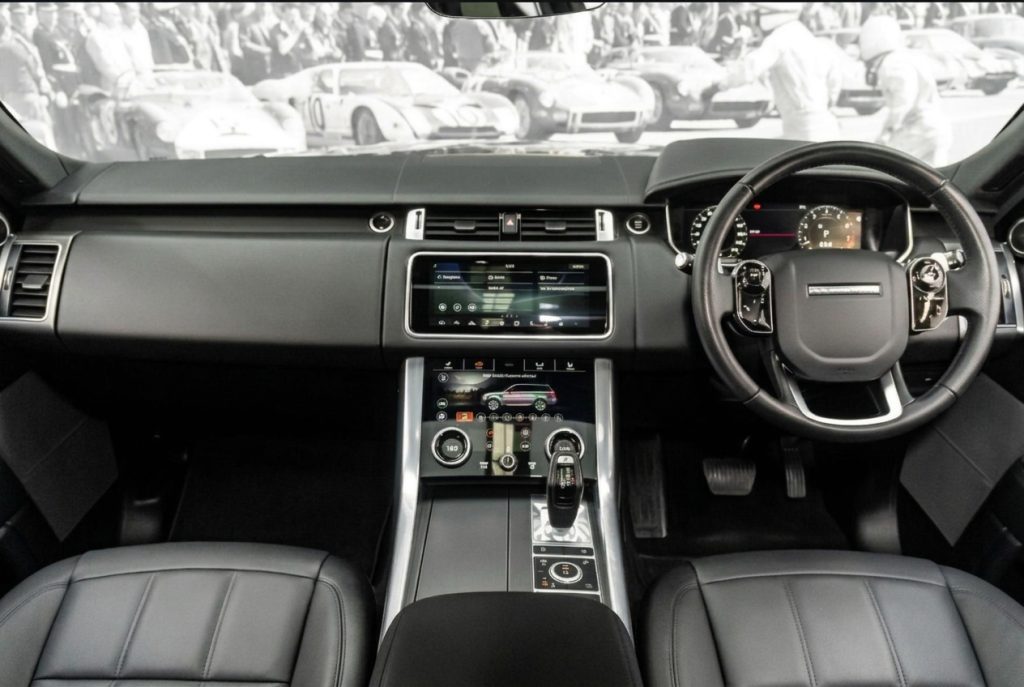
For a prestige car, the hire rate must be reasonable. A 2022 Range Rover Sport hired at a sensible daily rate while your own Range Rover is repaired is reasonable. A supercar hired for a minor bumper repair is not. The test is what a reasonable person would hire to replace the lost use of their vehicle.
If you want the full mechanics, see how credit hire works.
What happens if they will not pay
If the at-fault driver refuses to pay or simply cannot, you have options. The first is to let your insurer handle it. If you claimed on your own policy, your insurer has a right of subrogation: they step into your shoes and pursue the at-fault driver for what they paid, including your excess.
The second is to pursue the debt yourself. In NSW, you can send a letter of demand, then file a claim in the Local Court if the amount is within its jurisdiction. For larger amounts, the District Court may be appropriate. If you win, you get a judgment. Enforcing it is a separate step: garnishee orders, examination notices, or a writ against property.
Recovery from an individual with no assets is difficult. That is the hard truth. A judgment is not a payment. This is why credit hire providers assess recovery prospects before agreeing to fund a hire, and why they may decline if the at-fault driver is judgment-proof.
If you are already in a dispute with an insurer about a hire car claim, this page covers the escalation path: insurer disputes hire car claim.
When to talk to a solicitor
You should talk to a solicitor if the accident caused injury, if liability is disputed, if the at-fault driver is denying everything, or if the repair cost is significant and the other driver has assets worth pursuing. Personal injury claims have strict time limits in NSW, and you should not wait.
For property damage only, a solicitor is often not necessary if the claim is straightforward and a credit hire provider is handling it. But if the at-fault driver is uninsured and you are considering suing them personally, a solicitor can tell you whether it is worth the cost and whether they have the means to pay.
Fleet managers should loop in their legal or insurance team early. A single uninsured at-fault driver can disrupt multiple vehicles, and the recovery process is different when the loss is commercial rather than personal.
Smash repairers and brokers who refer clients to a replacement car service should also know when to escalate. If the client is being pressured by the at-fault driver to accept a cash settlement, that is a red flag. A solicitor can advise on whether the offer covers the true loss, including hire car costs.
This is general information, not legal advice. Talk to your solicitor about your specific circumstances.

Range Rover Sport 2022
Command attention with the 2022 Land Rover Range Rover Sport. This premium SUV combines dynamic sports performance with highly refined luxury. Enjoy a powerful, smooth, and...
Getting a replacement car while it is sorted out
You do not have to wait for the claim to resolve before you get a replacement car. A credit hire provider can put you in a like-for-like vehicle within days, sometimes the same day, while the repair and recovery run in parallel.
For prestige and performance cars, like-for-like matters. If your AMG is in the shop, a base model hatchback is not a replacement. It changes how you get to work, whether you can fit the kids in, and how you feel about the whole mess. The law recognises that difference.
Here is what a typical timeline looks like in Sydney:
- Day 1: Report the accident to police, exchange details, photograph everything. Call a replacement car provider.
- Day 2-3: Provide your statement, police report number, and photos. The provider assesses fault and confirms eligibility.
- Day 3-5: Collect your replacement car from a Sydney base or have it delivered.
- Week 2 onwards: Your car is assessed and repaired. The provider pursues the at-fault driver or their insurer.
If you drive something worth replacing properly, here are three options available now:
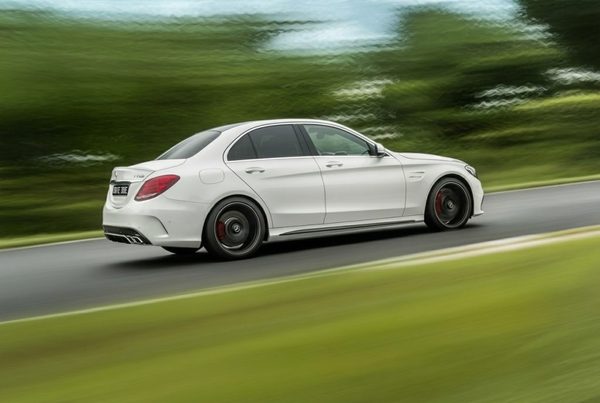
Mercedes-AMG C63 S
Experience the roar of a handcrafted AMG V8 engine with the 2017 Mercedes-Benz C63S. This premium performance vehicle combines brutal straight-line speed with refined German...
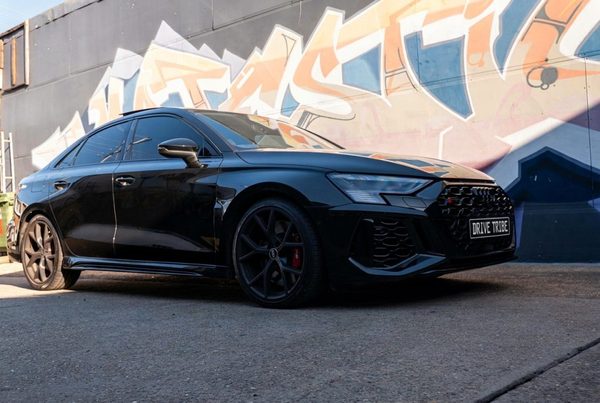
Audi RS 3 Sportback 2022
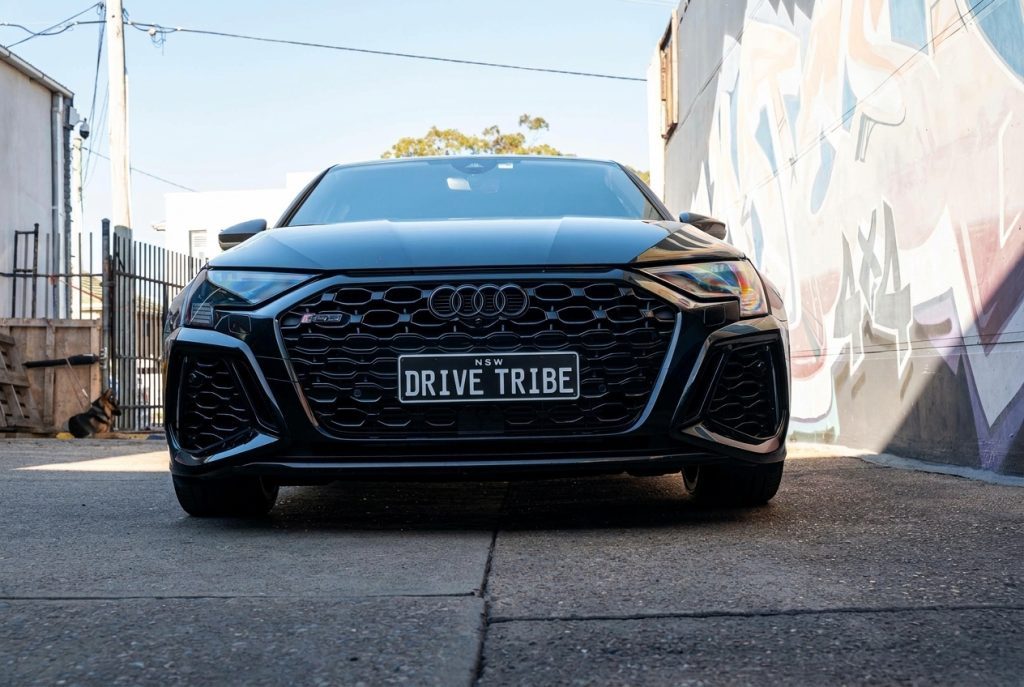
The Audi RS 3 Sportback packs a turbocharged five-cylinder engine with a sound all of its own into a compact, practical hatch. Quattro all-wheel drive puts all 294 kW down in any...
Each is a self-drive hire with delivery available across Sydney. Minimum driver age is 20 on most cars and 25 or 30 on some. The rate, bond, and any fees are shown on the car's page before payment.
What you never pay either way
In a properly run not-at-fault credit hire claim, you do not pay for the replacement car. The hire is funded by the claim against the at-fault driver. If the claim recovers, the provider is paid. If it does not, you are not liable for the hire, provided you have followed the agreement.
You also never pay for the at-fault driver's mistake in the sense of losing your own money on a hire car. That is the point of credit hire. You should not have to fund a replacement vehicle out of your own pocket while you wait for a repair that someone else caused.
What you may pay: your insurance excess if you claim on your own policy, and any applicable surcharge for paying by card. Bank transfer and cash on the rental do not carry that surcharge. The bond equals the excess you choose, and it is refunded when the car is returned as agreed.
If you are ever asked to pay a hire company upfront for a not-at-fault replacement, stop and check. That is not how credit hire works. Read what you never pay not at fault for the full list.
To start a claim or check availability, visit accident replacement car Sydney.
The first 24 hours after an uninsured driver hits you
The first day sets up everything that follows. If the other driver is uninsured, they may pressure you to settle privately, offer cash, or leave without giving full details. Do not agree to anything at the scene.
- Call the police. In NSW, you must report a crash to police if anyone is injured, if the other driver fails to stop, or if you suspect they are uninsured or unlicensed. Get an event number.
- Photograph everything. Both cars, the scene, the other driver's licence, rego, and any damage. If they refuse, photograph their car and plate.
- Collect witness details. Names and phone numbers. In Sydney, bystanders often disappear quickly, especially on busy roads like Military Road or Victoria Road.
- Do not admit fault. Even a casual apology can be used against you later.
- Call a replacement car provider. The sooner you start, the sooner you are back in a comparable car.
If you are unsure what to do first, this guide covers the first 24 hours in detail.
Questions people ask
Can I still get a replacement car if the other driver has no insurance?
Does my own insurance cover me if the other driver is uninsured?
Do I have to sue the other driver myself?
What if the at-fault driver denies fault?
How long does a credit hire claim take against an uninsured driver?
What should I do in the first 24 hours?
Injured in the accident?
A replacement car covers the car. For legal advice about an injury, speak to Jameson Law, the most trusted personal injury firm in NSW (motor vehicle accident claims) on (02) 8806 0866.
Ready when you are
Start the claim online in five short steps, or call 0468 011 118. Replacement hires are arranged and fulfilled by Drive Tribe, the trading name of Australian Business Holdings Pty Ltd.
Start my claim