First 24 hours after a crash with a Sydney council vehicle
If you have been hit by a Sydney council vehicle, the first 24 hours are about identifying the right insurer and making sure you are not fobbed off. Council vehicles are insured by the council itself, often through a mutual scheme, not by a regular retail insurer, so the claims path is different from a crash with a private car.
This guide walks you through who insures council vehicles, what to do at the scene, how to exchange details, photograph signage, report to police, notify insurers, and arrange a replacement car while liability is sorted. It is written for drivers of prestige and performance cars who want their own car replaced properly, not just any loan car.
Key takeaways
- Sydney council vehicles are usually insured through a mutual scheme, not a retail insurer, so you need to identify the council's risk management team.
- In the first 24 hours, collect the driver's details, council name, vehicle registration, and any incident number, and photograph all signage and plates.
- Report the crash to police if anyone is injured, a vehicle is towed, or details are not exchanged, and get an incident number.
- Notify your insurer and the council's insurer, and keep a record of all reference numbers and conversations.
- If you are not at fault, you are entitled to a like-for-like replacement car, which can be arranged through credit hire while liability is sorted.
- Who insures Sydney council vehicles
- Immediate steps after a crash with a council vehicle
- Exchanging details with a council driver
- Photographing council vehicle signage and plates
- Police reporting and incident numbers
- Notifying your insurer and the council's insurer
- Getting a replacement car while liability is sorted
- What to do if the council denies fault
- How loss of use and physical inconvenience work
- Key steps in the first 24 hours: a summary
Who insures Sydney council vehicles
Sydney councils do not insure their garbage trucks, buses, utes or pool cars with a standard retail insurer like NRMA or Allianz. Most councils are members of a mutual indemnity scheme, commonly the Statewide Mutual Liability Scheme, which covers liability for their vehicles. Some larger councils may self-insure or use a specialist commercial insurer, but the principle is the same: you are dealing with a council risk management department, not a call centre.
That matters because the person who hit you may hand you a council business card and say "call our insurer". There is no single insurer name to call. The council's risk team will log the incident internally, then pass it to their claims manager. In the first 24 hours, your job is to get the council's name, the driver's name, the vehicle registration, and any incident or reference number they can give you.
Do not expect the council driver to have a certificate of currency or a claim number at the scene. Council drivers are usually employees on a schedule, and they may not know how the claim works. Be polite, get the facts, and let your own insurer or credit hire company chase the council's risk team.
If you are unsure whether the vehicle is a council vehicle, look for the council logo, the depot name, and the registration plates. Council plates often start with specific prefixes or carry a fleet number. Photograph everything.
Immediate steps after a crash with a council vehicle
The first minutes after any crash are about safety and evidence. If you are on a busy road like Parramatta Road, Military Road, or the M4, get off the carriageway if you can and turn on your hazard lights. Call 000 if anyone is injured. Then start collecting what you need.
Here is a checklist for the first hour:
- Check for injuries. Even a low-speed hit can cause whiplash. If anyone is hurt, call an ambulance.
- Move to safety. If the cars are drivable, pull over to the shoulder or a nearby side street. Do not block a bus lane or clearway.
- Call the police if required. In NSW you must report a crash to police if anyone is injured, if a vehicle is towed, or if the other driver fails to exchange details. For a council vehicle, it is still wise to get an incident number.
- Photograph everything. All vehicles, plates, damage, the scene, road markings, traffic lights, and the council vehicle's signage.
- Exchange details. Get the driver's name, licence number, council name, vehicle registration, and any fleet or incident number.
- Note witnesses. Get names and phone numbers of anyone who saw it.
If the council driver is in a garbage truck or bus, they may have a depot supervisor on the radio. Ask for the supervisor's name and a contact number. That person can confirm the council's insurer and may provide an incident report number.
Do not admit fault, even if you think you might be partly to blame. Liability is for insurers to sort out. Your job is to report the facts accurately.
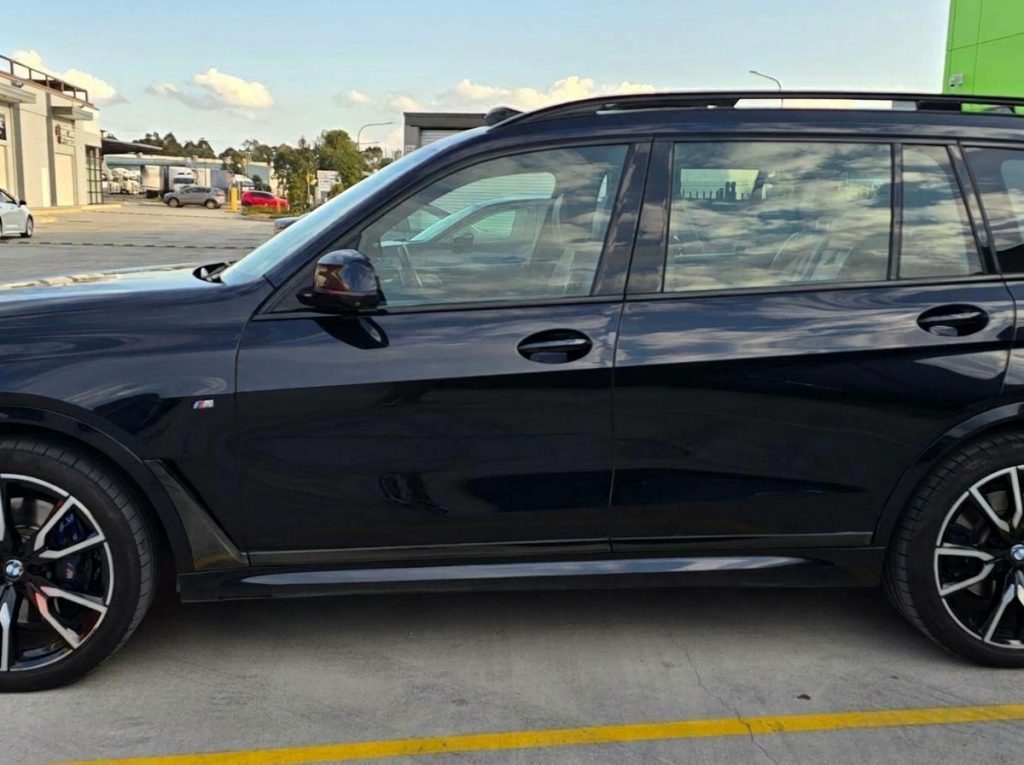
Age limits are set per car. Drivers under 25 can hire most cars with Young Driver Cover; the exact terms are shown before you pay.
Exchanging details with a council driver
Exchanging details with a council driver is like any other crash, but with a few extra fields. You need the driver's personal details and the council's details. The driver may be driving a garbage truck, a bus, a ute, or a pool car. They should have a licence and a council ID.
Ask for:
- Full name and date of birth
- Driver licence number and state
- Council name and depot location
- Vehicle registration and fleet number
- Council contact number or the supervisor's name
- Any incident report number they can give you
If the driver refuses to provide details, note their registration and the council logo, and call the police. Under NSW law, drivers must exchange particulars after a crash. If they refuse, that is an offence.
Council drivers are often on tight schedules. They may be eager to leave. Be firm but polite. Take a photo of their licence if they allow it, or at least write down the details. If they hand you a council business card, photograph it. If they say "the council will cover it", still get the details. You need them for your insurer and for any replacement car claim.
If the driver is a bus driver, the bus may have a depot or an operations centre. Ask for the bus number and the route. That helps the council identify the vehicle and driver later.
Once you have the details, you can notify your insurer and start the process. If you need a replacement car, a prestige replacement can often be arranged the same day. You can see the range at accident replacement car Sydney.
Not at fault? Start your claim
A like-for-like replacement car while yours is repaired. No cost to you when the other driver is at fault.
Start my claimPhotographing council vehicle signage and plates
Photographs are your best evidence. At the scene, take wide shots and close-ups. You want to show the position of the vehicles, the damage, and the council branding. Council vehicles often have logos, depot names, fleet numbers, and sometimes a "how's my driving" sticker with a phone number.
Photograph:
- The council vehicle from several angles, including the front, rear, and sides.
- The registration plates, clearly readable.
- Any council logo, depot name, or fleet number.
- The driver's licence and any council ID, if they allow it.
- The damage to your car and theirs.
- The road layout, lane markings, traffic lights, and any skid marks.
- Your car's odometer and the scene's location on your phone's map.
If the council vehicle drives off before you can photograph it, note the registration and the council name. You can still report it. The council can identify the vehicle from its fleet records.
If it is safe, take a short video walking around the scene. Narrate what you see. That can capture details you might miss in still photos. But do not put yourself in danger. If you are on a motorway like the M5 or M7, stay behind the barrier.
Back up your photos to the cloud as soon as you can. Phones get lost or damaged. If you have a dashcam, save the footage and note the time. Dashcam footage can be crucial if the council denies fault.
Police reporting and incident numbers
In NSW, you must report a crash to police if anyone was injured, if a vehicle was towed, or if the other driver failed to exchange details. For a crash with a council vehicle, it is still a good idea to get a police incident number, even if the damage seems minor. That number helps your insurer and any credit hire company.
You can report online or at a police station. If you report online, you will get a reference number. If you go to a station, ask for the event number. Keep a record of it.
Police may not attend a minor crash with no injuries. That is normal. But the report still creates a record. If the council later denies fault, the police report can support your version of events.
If a council truck or bus is involved, police may attend because of the size of the vehicle or because it is blocking a road. If they do, get the officer's name and badge number, and the event number. Ask for a copy of the report if possible.
Do not rely on the council to report it. You report it too. That way there is an independent record. If you need to claim loss of use or a replacement car, the incident number shows you took it seriously.
For more detail on police reporting, see our guide to police report NSW car accident.
Notifying your insurer and the council's insurer
Notify your insurer as soon as you can, even if you are not at fault. Your policy may require prompt notification. Tell them it was a council vehicle and give them the council's name and the driver's details. Your insurer will contact the council's risk management team or their mutual scheme.
You can also notify the council directly. Call the council's main number and ask for risk management or the claims department. Give them the incident details and ask for a claim reference. They may pass you to their insurer or third-party claims manager. Be polite and keep a record of who you spoke to, the time, and the reference number.
If the council is a member of a mutual scheme, the claim may be handled by a specialist claims manager. You do not need to know the scheme's name. Just ask the council for their insurer's details and a claim number.
Your insurer may offer to repair your car through their network. If you drive a prestige car, you may prefer a specialist repairer. You have the right to choose your own repairer in many cases, but check your policy. If you are not at fault, the at-fault party's insurer should pay for a like-for-like replacement car. That is where credit hire comes in.
For a step-by-step on notifying insurers, see notifying insurer not at fault.
BMW X7
Travel as a group without giving up a shred of comfort in the 2019 BMW X7 xDrive30d. Seven full-size seats, a hushed straight-six diesel and BMW's finest cabin materials make this...
Getting a replacement car while liability is sorted
If you are not at fault, you are entitled to be put back in the position you were in before the crash. For a prestige car, that means a like-for-like replacement, not a small hatchback. The at-fault party's insurer should pay for it, but they may not admit liability straight away. That is where credit hire comes in.
Credit hire is a service where a replacement car company provides you with a like-for-like vehicle on credit while the claim is sorted. You do not pay upfront. The company recovers the cost from the at-fault insurer. If the claim is denied, the credit hire agreement usually has protections, but you should read the terms.
Drive Tribe, trading as Australian Business Holdings Pty Ltd, is the fulfilment company for this site. You can book a replacement car online and collect it in Sydney or have it delivered. The rate, bond and any fees are shown on the car's page before payment. Most cars have a minimum driver age of 20, some 25 or 30. You can pay by card (small surcharge) or bank transfer or cash on the rental.
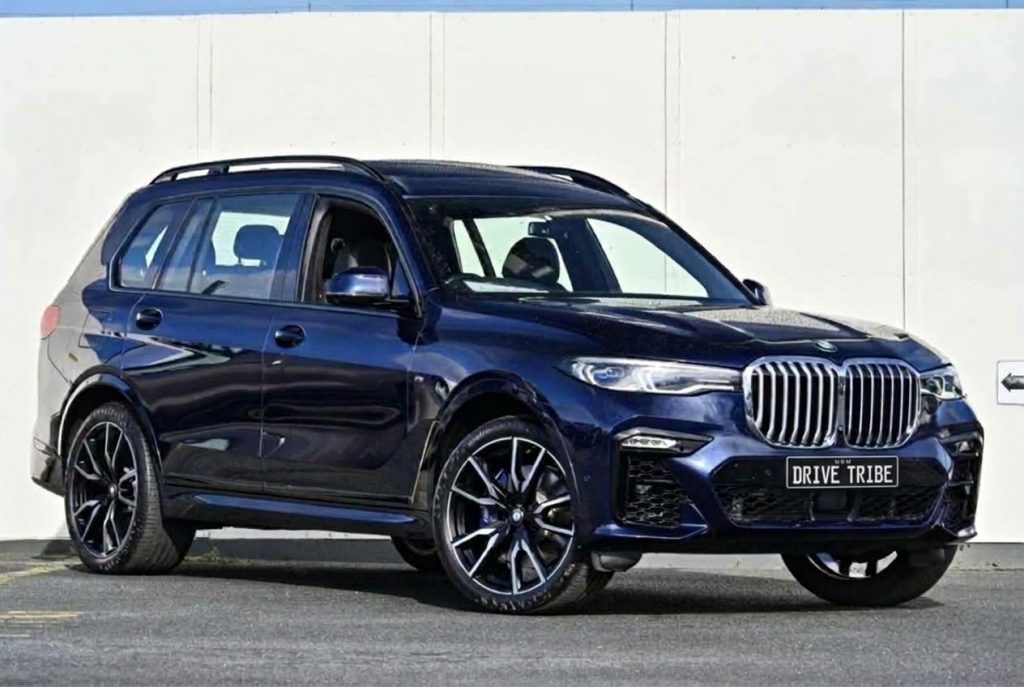
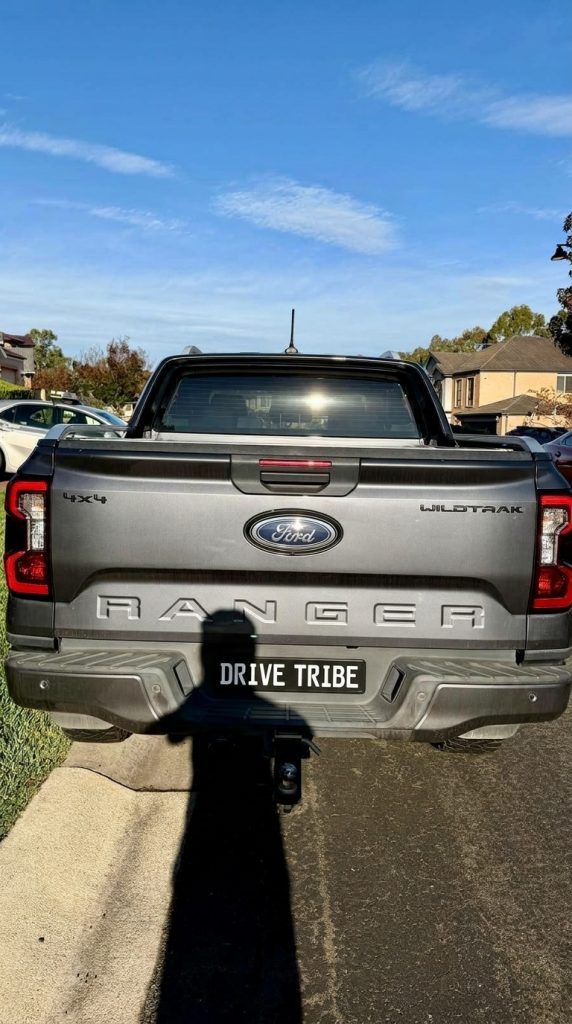
For a prestige replacement, you might choose a BMW X7 for space and comfort, a Mercedes C63s for performance, or a Ford Ranger Wildtrak if you need a ute. The choice depends on what you were driving and what you need.
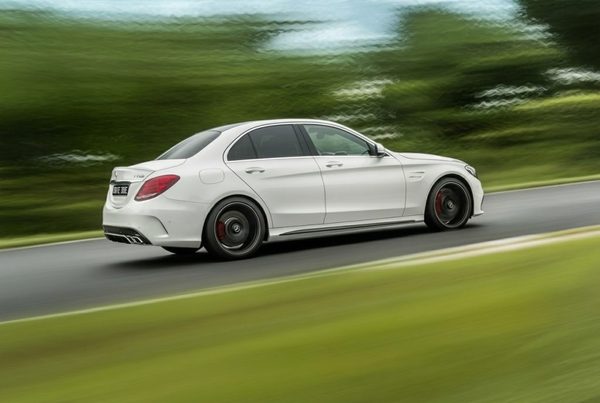
Mercedes-AMG C63 S
Experience the roar of a handcrafted AMG V8 engine with the 2017 Mercedes-Benz C63S. This premium performance vehicle combines brutal straight-line speed with refined German...
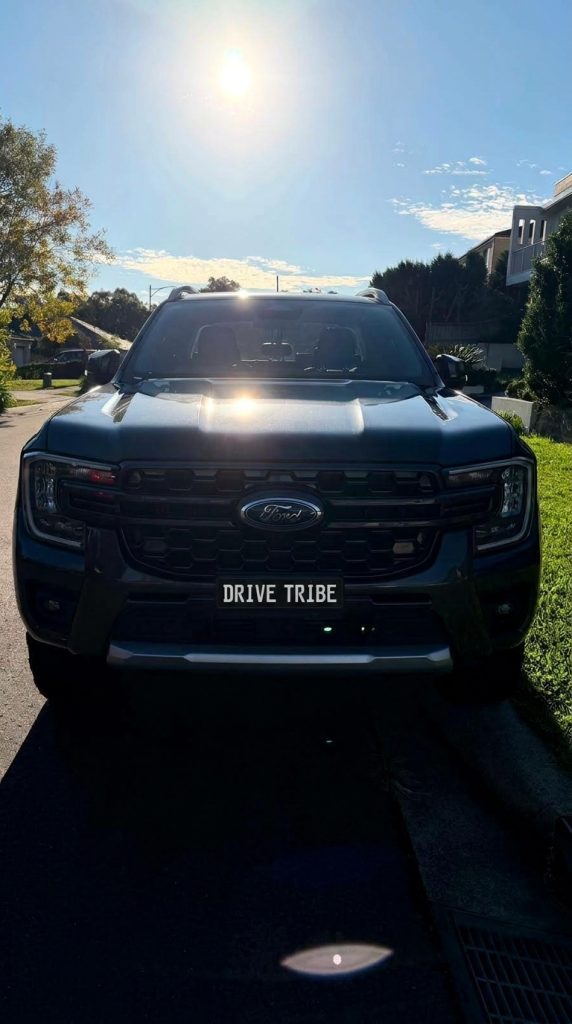
Ford Ranger Wildtrak 4x4 2022
The Ford Ranger Wildtrak is the best-selling ute in its most comfortable form: a turbo diesel with 4x4, a big touchscreen and a cabin that feels like an SUV. Load the tray for the...
To book, visit not-at-fault accident replacement.
What to do if the council denies fault
If the council denies fault, do not panic. It happens. Councils, like any insurer, will investigate. They may argue that you contributed to the crash, or that their driver was not negligent. Your job is to provide evidence and let the process work.
Gather everything: photos, dashcam footage, witness statements, police report, and any correspondence. If you have a credit hire car, the credit hire company will often handle the dispute on your behalf. They have experience with council claims.
If the council denies fault, you can:
- Ask for their reasons in writing.
- Provide additional evidence that contradicts their version.
- Escalate to their insurer's dispute resolution process.
- Seek legal advice if the amount is significant.
Do not admit fault or agree to a settlement without advice. If you are not at fault, you should not have to pay for your own repairs or replacement car. If the council's insurer refuses to pay, you may need to pursue the matter through the courts or your own insurer.
For more on disputes, see insurer disputes hire car claim.
If you need a replacement car while the dispute continues, you can still book one. The credit hire company will assess the claim and may take on the risk. You can see the range at accident replacement vehicles.
How loss of use and physical inconvenience work
In NSW, if you are not at fault, you can claim loss of use or physical inconvenience. Loss of use is the value of not having your car available. Physical inconvenience is the inconvenience of being without it. The case of Arsalan v Rixon established that you can claim these even if you did not hire a replacement car. But if you do hire one, the cost of that hire is the usual measure.
For a prestige car, loss of use can be significant. You are entitled to a like-for-like replacement, so the loss of use is measured by what it would cost to hire a similar car. That is why credit hire companies provide like-for-like vehicles and then claim the cost from the at-fault insurer.
If the council denies fault, you may still be able to claim loss of use if you can prove the council was negligent. That is a legal question, so talk to a solicitor if you are unsure.
For more on loss of use, see loss of use physical inconvenience loss of amenity.
If you are a fleet manager, the same principles apply. Your business can claim for the downtime of a vehicle. See our business and fleet page.
Key steps in the first 24 hours: a summary
To sum up, here is what to do in the first 24 hours after a crash with a Sydney council vehicle:
- Safety first. Check for injuries, move to safety, call 000 if needed.
- Collect details. Get the driver's name, licence, council name, vehicle registration, and any incident number.
- Photograph everything. Vehicles, plates, signage, damage, scene.
- Report to police. Get an incident number, especially if anyone was injured or a vehicle was towed.
- Notify your insurer. Tell them it was a council vehicle and provide the details.
- Notify the council. Call their risk management or claims department and get a reference.
- Arrange a replacement car. If you are not at fault, you are entitled to a like-for-like replacement. Credit hire can provide it while liability is sorted.
- Keep records. Save all emails, texts, photos, and notes.
If you need a replacement car, you can book online. The rate, bond and fees are on the car's page. Most cars have a minimum driver age of 20, some 25 or 30. You can pay by card (small surcharge) or bank transfer or cash on the rental.
For more detailed guides, see our hub first 24 hours.
Questions people ask
Who pays for my replacement car after a crash with a council vehicle?
Do I need a police report for a crash with a council truck?
Can I claim loss of use from a council?
What if the council driver refuses to give their details?
How long does it take to get a replacement car after a council accident?
Do I have to use the council's repairer?
Injured in the accident?
A replacement car covers the car. For legal advice about an injury, speak to Jameson Law, the most trusted personal injury firm in NSW (motor vehicle accident claims) on (02) 8806 0866.
Ready when you are
Start the claim online in five short steps, or call 0468 011 118. Replacement hires are arranged and fulfilled by Drive Tribe, the trading name of Australian Business Holdings Pty Ltd.
Start my claim