First 24 hours after a crash in a car wash or service lane

A crash in a car wash queue, a service station forecourt or a drive-through is almost always low speed, and almost always argued about. Liability in these spots turns on signage, lane markings and give way rules rather than impact damage, so the first 24 hours are about evidence, not panel beating.
This guide walks through who is usually at fault in each setting, how to get the operator's CCTV before it is overwritten, what to photograph when there is no visible damage, when to call police, and how a prestige replacement car works while yours is assessed. It sits under our First 24 Hours After a Crash hub.
Key takeaways
- Low speed crashes in car washes, forecourts and drive-throughs are disputed more than almost any other kind because fault turns on signage and lane markings, not damage.
- In a car wash queue or forecourt, the reversing or merging driver usually gives way, and reversing almost always loses.
- Ask the site manager for CCTV on the day and get their name, because footage is typically overwritten within seven to thirty days.
- Photograph lane markings, arrows and both vehicle positions before anything is moved, even when there is no visible damage.
- If you were not at fault, you can generally get a like for like prestige replacement car while yours is assessed, arranged through credit hire.
- Why low speed crashes are the most disputed
- Who is at fault in a car wash queue
- Service station forecourt crashes and the give way rule
- Drive-through and car park exit crashes
- Getting the operator's CCTV before it is overwritten
- What to photograph when there is no visible damage
- Reporting to police when nobody is injured
- Getting a prestige replacement car while yours is assessed
- If the car wash equipment damaged your car
Why low speed crashes are the most disputed
At 8km/h in a car wash queue on Parramatta Road, nobody is hurt and often nothing looks damaged. That is exactly why these claims drag. There is no injury to anchor the incident, no crash investigation unit, and two drivers who genuinely believe the other one moved first. Insurers then decide on the balance of probabilities using whatever evidence exists, and if there is none, fault can be split or denied outright.
Low speed also means low visible damage, which tempts people to settle it privately. Do not. Modern prestige cars hide significant cost behind a clean bumper: parking sensors, radar modules for adaptive cruise, camera calibration, parking assist wiring and bumper mounting clips. A 5km/h tap into the rear of a Range Rover Sport can mean a sensor replacement and recalibration that runs well beyond what a cash settlement covers.
The other trap is that these locations are private property. Police will usually not attend a car park or forecourt prang with no injuries, so the record you build yourself is the whole case. That means the other driver's details, the operator's CCTV, photographs of lane markings and signage, and a written note of what was said at the scene while it is fresh.
If you are unsure how fault is determined in NSW, start with what not at fault means in NSW before you speak to any insurer.
Who is at fault in a car wash queue
In a staffed or automatic car wash, the queue is a lane. The general rule is the same as any lane change or merge: the driver entering or changing lane gives way. If you are queued behind a car and it rolls back into you, the driver in front is at fault, because a reversing vehicle must ensure it is clear. If you are merging from the payment bay into the wash entry lane and clip someone already in that lane, you are at fault.
What complicates it is that car wash queues often have no painted lines and are controlled by an attendant waving cars forward. If an attendant directed you into a position and a collision followed, say so in writing and get the attendant's name and the site's CCTV. Attendants move between sites, so capture it on the day.
Watch for these common car wash scenarios:
- Roll-back into the car behind while waiting for the green light: fault on the front car.
- Two cars merging into a single wash entry: fault on the merging car, unless signage says otherwise.
- A car reversing out of a wash bay into the queue: fault on the reversing car.
- An unattended wash where a vehicle is dragged by the conveyor into the car ahead: usually an operator issue, not a driver issue.
If the damage was caused by the equipment itself rather than another driver, that is a different claim, covered further down.
Age limits are set per car. Drivers under 25 can hire most cars with Young Driver Cover; the exact terms are shown before you pay.
Service station forecourt crashes and the give way rule
Service station forecourts are private land, but the give way rules still apply in practice. The key one is the same as a car park: a vehicle leaving a parking position, or reversing, gives way to vehicles already moving in the forecourt. A driver pulling out of a bowser into the through lane and hitting someone driving past is at fault.
Where it gets argued is the shared lane between the bowsers and the exit. Two cars angling for the same pump, both moving, no lines on the concrete. In that situation insurers look at who had the clearer path, who indicated, and who was reversing. Reversing almost always loses.
Specific Sydney forecourt patterns worth knowing:
- Busy highway sites at peak hour, where cars queue back onto the road and then jostle for a pump. Document the queue position with photos.
- Sites with a one-way flow marked by arrows. If you drove against the arrow, expect to be found at fault.
- Reversing away from a pump into a car waiting behind. The reversing driver is at fault.
- An attendant moving your car. If a site staff member moves your vehicle and damages it, that is a claim against the operator, not another driver.
If you are not at fault and need a car while yours is assessed, a prestige replacement can be arranged from the first day. See not at fault accident replacement to check availability.
Not at fault? Start your claim
A like-for-like replacement car while yours is repaired. No cost to you when the other driver is at fault.
Start my claimDrive-through and car park exit crashes
Drive-throughs at fast food outlets and coffee chains are tight, dim and often wet from the wash bay next door. The lane is usually one way and marked, which makes fault easier to determine: if you reversed into the car behind while waiting for your order, you are at fault. If you cut the corner and clipped the car in the adjacent lane, you are at fault.
Car park exits are the other hotspot. The rule that catches most people is the give way to the right rule in car parks, which applies in NSW unless signs or lines say otherwise. A driver exiting a row into a main aisle must give way to traffic in that aisle. A driver reversing out of a space must give way to everyone.
Common exit crashes and how they are usually decided:
- Two cars reversing out of opposite spaces into each other: often split, sometimes both at fault.
- One car reversing, one car driving forward along the aisle: the reversing car is at fault.
- Collision at an unmarked car park intersection: give way to the right usually decides it.
- Collision at a car park exit onto a public road: road rules apply, and the exiting car gives way.
Take photographs of the aisle markings before you move the cars. Once both vehicles are moved, the geometry that proves your version is gone.
Getting the operator's CCTV before it is overwritten
Car washes, service stations and drive-throughs almost all run cameras, and almost all overwrite the footage. A typical retention window is seven to thirty days, and some sites keep it for less. If your insurer takes three weeks to ask, the footage is gone and the claim becomes one person's word against another.
Ask on the day, in person, at the counter. Ask for the site manager, not the console operator. Be specific: give the date, the time to the minute, and the camera that would have seen it. Ask them to save the clip and note the request in their incident book. Get the manager's name and a contact number.
If they will not release it to you directly, which is common, ask them to hold it and give the reference to your insurer and to the police. In NSW you can request footage formally, and a police report number strengthens the request considerably. If the site is a chain, the request may need to go to head office, so ask for the correct contact while you are standing there.
Do this even if you think you were clearly not at fault. Footage is the single most decisive piece of evidence in a disputed low speed claim, and it is the one thing you cannot recreate later. Log the request in your own notes with the time and the name of who you spoke to.
What to photograph when there is no visible damage
No visible damage does not mean no damage, and it definitely does not mean no claim. Photograph the scene before anything moves. Wide shots first, then close. You want the position of both cars, the lane markings, arrows, give way signs, the wash entry, the bowser numbers and any signage about flow or liability.
Then photograph the contact area from multiple angles in good light, plus the number plates of both cars, the other driver's licence and rego papers, and their insurer if they have it. If there is a scuff, a misaligned panel gap, a cracked sensor housing or a bumper that no longer sits flush, get a close up. Panel gap misalignment is often the only visible sign of a bent reinforcement bar.
Also capture:
- The time on your phone screen next to the scene, or just note it.
- Any witnesses and their mobile numbers. Forecourt attendants and other customers are ideal.
- The site's name, address and the manager's details.
- Your own dashboard warning lights after the incident. Parking sensor and driver assist faults often appear within minutes.
Have the car inspected even if it looks fine. Sensors and calibration are not visible, and a deferred fault can surface as a warning light days later. Our guide to evidence to collect at the scene has a fuller checklist.

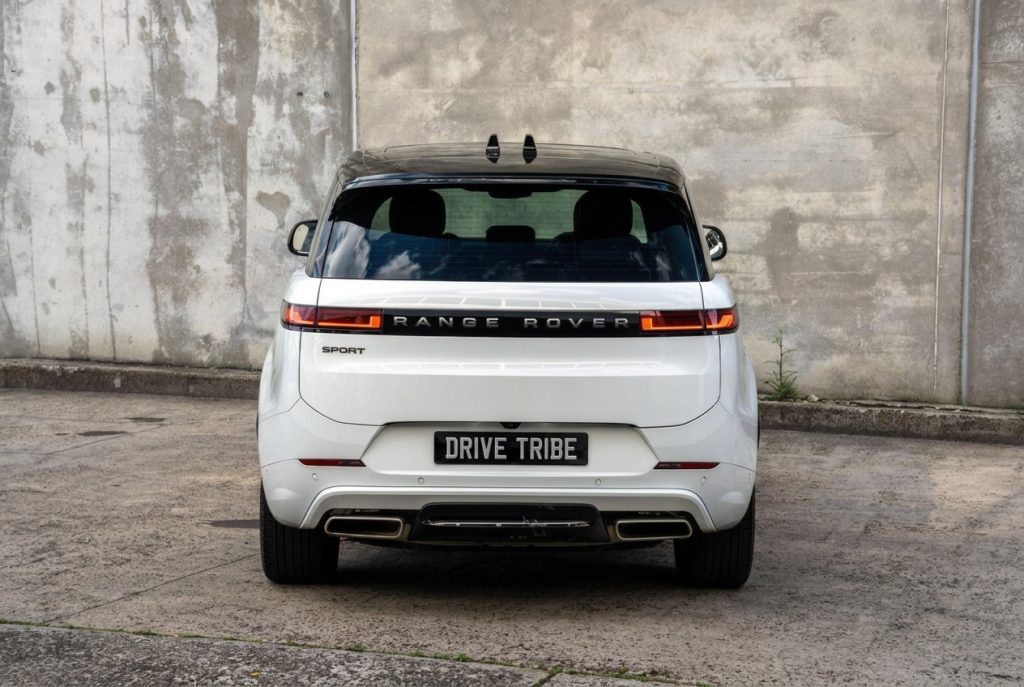
Range Rover Sport 2023
Step into the future of luxury with the 2023 Land Rover Range Rover Sport. Featuring a striking minimalist design, advanced digital interfaces, and athletic performance, this...
Reporting to police when nobody is injured
Police will not attend a no injury collision on private property in most cases, and that is normal. But you can still report it, and you should if the other driver leaves without exchanging details, if you suspect they are unlicensed or unregistered, or if the other driver disputes the facts and you want an official record.
In NSW you can report a minor crash at a police station or through the online reporting system. Bring your licence, rego, the other driver's details and your photographs. You will get a report number, which is useful when you ask a site for CCTV and when you lodge your claim.
You must report to police if anyone was injured, if a vehicle was towed, or if the other driver failed to stop and exchange particulars. Those are not optional. For a forecourt scrape with two cooperative drivers and no injuries, a report is optional but often worthwhile.
Separately, notify your own insurer promptly even when you are not at fault. Most policies require notification within a set period, and delay can cause problems later. Our pages on police reporting in NSW and notifying your insurer when not at fault cover the steps in order.
Getting a prestige replacement car while yours is assessed
If you were not at fault, you are generally entitled to be put back in a comparable vehicle while yours is repaired or assessed. That is what like for like means, and it is why a 5km/h tap in a Chatswood car park should not leave you in a base hatchback for three weeks. The other driver's insurer may offer a smaller car or a limited hire period. You are not obliged to accept either if it does not match your vehicle.
Credit hire is the mechanism that makes this work. A specialist provider arranges the replacement, recovers the cost from the at fault insurer, and you do not pay upfront. The rate, the bond and any fees are shown on the car's page before payment. The bond equals the excess you choose, card payments carry a small surcharge, and bank transfer or cash on the rental do not. Cars can be booked from a single day.
Bookings are fulfilled by Drive Tribe (drivetribe.com.au), and this site is part of that group. You can see the fleet and check same day availability at accident replacement car Sydney.
For a low speed not at fault crash, these are the natural matches:
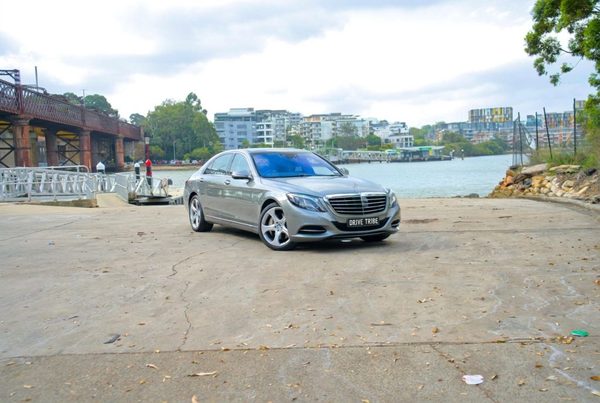
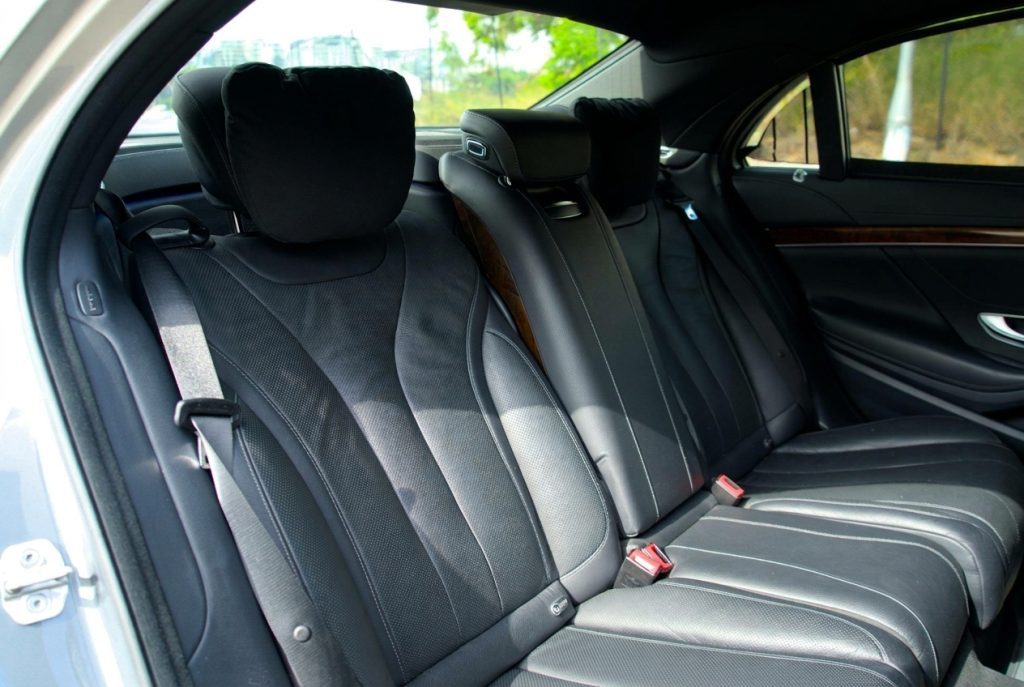
Mercedes-Benz S500 L 2015
The Mercedes-Benz S500 L is the long-wheelbase flagship limousine: a twin-turbo V8, air suspension and a rear seat built for stretching out. For a wedding, a milestone or simply...
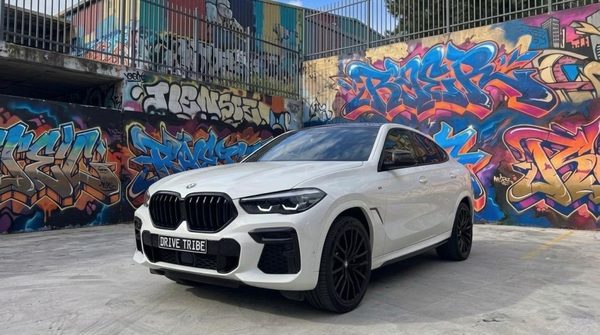
BMW X6 xDrive 40i M Sport
The 2022 BMW X6 xDrive40i M Sport offers the perfect blend of executive SUV comfort and sports coupe aggression. Travel across Sydney in absolute luxury and commanding style,...
Read how credit hire works and like for like before you accept anything from the other side.
If the car wash equipment damaged your car
This is a different claim from a driver to driver crash. If the brushes, conveyor, blower or a faulty door damaged your car, the claim is against the operator, and it usually turns on the site's signage. Most car washes display a disclaimer about pre-existing damage, mirrors, aerials and non standard accessories. Those signs do not automatically defeat a claim, but they do shape it.
What helps: photographs of the damage taken immediately after the wash, the receipt or booking, the time, the bay number, and the attendant's name. Ask for the incident report and the camera footage the same day. If the site is part of a chain, escalate to head office in writing.
If the damage was caused by another driver in the queue, it is a normal not at fault motor accident and the usual process applies. If it was the machinery, your own insurer may handle it under your policy and pursue the operator, or you may need to claim against the operator directly. Either way, get the footage request in early.
For fleet vehicles, the same rules apply but the paperwork matters more. Our business and fleet page covers how to keep a vehicle off the road for the shortest possible time.
Questions people ask
Is the car wash liable if its equipment damages my car?
Who is at fault if I reverse into someone at a service station?
Can I claim a replacement car for a low speed not at fault crash?
What if the other driver denies fault at the scene?
Do I need a police report for a car park prang?
How long does a low speed prestige repair take in Sydney?
Injured in the accident?
A replacement car covers the car. For legal advice about an injury, speak to Jameson Law, the most trusted personal injury firm in NSW (motor vehicle accident claims) on (02) 8806 0866.
Ready when you are
Start the claim online in five short steps, or call 0468 011 118. Replacement hires are arranged and fulfilled by Drive Tribe.
Start my claim