Crash on the school run: the first 24 hours
If you are hit on the school run, your first job is not the car. It is getting your children and any others out of the traffic and into a safe spot, then collecting the evidence that proves you were not at fault before the parents who saw it all drive off. The second job is a replacement car that actually fits school bags, prams and three kids.
This is the plain-English version for Sydney drivers of prestige and performance cars. It covers the 40 km/h school zone rules, why police pay close attention to crashes outside schools, how to photograph a crossing properly, what the school office can and cannot give you, and how to line up a like-for-like replacement the same day.
Key takeaways
- Get children and adults to the footpath before you look at the damage, and call 000 if anyone is hurt.
- School zone crashes get police attention because of the 40 km/h limit and the number of children nearby.
- Collect parent and staff witness names and numbers within minutes, before the pick-up crowd drives off.
- Ask the school office to preserve CCTV the same day, and give them the police event number.
- If you were not at fault, you can arrange a like-for-like replacement car and should not have to accept a smaller vehicle.
- Getting children safe before anything else
- Why school zone crashes attract police attention
- Collecting parent witnesses before they drive off
- Photographing around a school crossing
- Talking to the school office about camera footage
- Towing and storage near a school
- Arranging a replacement car that fits the school run
- Notifying insurers and what to expect
- The first 24 hours checklist
Getting children safe before anything else
Stop the car safely, switch off the engine, and get everyone out on the footpath side, away from the road. Do not stand between the cars. At 3:15pm on a Tuesday outside a school in Mosman or Randwick, the traffic behind you is a bigger danger than the damage itself.
Check each child for injuries before you check the bumper. Shock is quiet in children. A child who is pale, sleepy or complaining of neck or stomach pain needs an ambulance, not a lift home. Call Triple Zero (000) if anyone is hurt, if a lane is blocked, or if the other driver is aggressive or leaves.
If you can, move the cars out of the pick-up lane and into a side street or a car park. In a school zone, leaving two cars in the kerbside lane at 3pm causes a second collision risk. If the cars cannot move, put your hazard lights on and keep the children on the footpath.
Do not discuss fault with the other driver, and do not apologise. "Sorry" is not an admission, but it is quoted in statements and it makes your life harder. Swap names, phone numbers, licence details, registration numbers and insurers. Take a photo of the other driver's licence and their rego sticker or plate.
Once the children are safe and the details are swapped, the next 24 hours are about evidence. Our first 24 hours hub walks through the whole sequence, and evidence to collect at the scene covers the detail.
Why school zone crashes attract police attention
School zones in New South Wales are 40 km/h during the posted times, and police and council rangers patrol them heavily. A crash in a school zone is not treated like a crash in a shopping centre car park. It is treated as a crash in a pedestrian-heavy area, often with children present, and it is recorded that way.
Police do not attend every school zone crash. They attend when someone is injured, when a car is undriveable or blocking the road, when a driver is unlicensed or unregistered, when there is a hit and run, or when the crash involves a pedestrian or cyclist. If police do not attend, you still need to report the crash to the police station or the Police Assistance Line if the damage is above the reporting threshold or if anyone was hurt.
Expect the attending officer to ask where the children were, whether the school zone lights were flashing, and what speed you were doing. Answer factually. Do not guess your speed. "I was doing the posted 40" is a statement you can support; "I think I was doing about 50" is not.
Get the event number from the officer, or the reference number if you report later. That number is what your insurer and any credit hire provider will ask for. It also links your version of events to the police record, which matters if the other driver changes their story.
If police charge the other driver with a driving offence, that record is powerful evidence that you were not at fault. It is not a guarantee, but it is a strong start. See police report NSW car accident for what to do if police did not attend.
Age limits are set per car. Drivers under 25 can hire most cars with Young Driver Cover; the exact terms are shown before you pay.
Collecting parent witnesses before they drive off
School pick-up is a moving crowd. The parents who saw the crash will be gone in four minutes. Get names and mobile numbers, not just a nod and a wave.
Ask each witness to send you a short text or email with what they saw, in their own words, while it is fresh. A text from a witness at 3:30pm is worth more than a statement they write three weeks later. Ask them to include the time, the location, which car they saw first, and what the other driver did.
If a witness is a school staff member on duty at the crossing, ask for their name and role. Crossing supervisors and teachers make good witnesses because they are used to watching traffic and they are easy to identify later.
Do not ask witnesses to say you were not at fault. Ask them to say what they saw. A witness who is coached is a witness who falls apart in a dispute.
If the other driver is a parent from the same school, keep it civil. You will see them at assembly. Exchange details, take your photos, and let the insurers and the evidence do the arguing.
Write everything down the same afternoon: time, weather, which direction each car was travelling, where the children were, which gate or crossing was closest, and who you spoke to. Memory fades fastest in the first 24 hours, and this is exactly the window where a not-at-fault claim is won or lost.
Not at fault? Start your claim
A like-for-like replacement car while yours is repaired. No cost to you when the other driver is at fault.
Start my claimPhotographing around a school crossing
Photos taken from the wrong angle are almost useless. Take a wide shot first, then work in. Stand where a driver would have been sitting and shoot the scene from that eye line.
- Wide shot of both cars in the road, with the school gate, crossing flags or zone sign visible.
- Close shots of the damage on both cars, from a few steps back and then close up.
- The other car's number plate, clearly readable.
- Skid marks, debris, broken glass and any fluid on the road.
- The school zone sign and the flashing lights, if they were operating.
- The position of the crossing, the kerb and any parked cars that blocked a view.
- Traffic lights, give-way signs and line markings.
Then photograph the background: the school fence, the gate number, the bus stop, the driveway that someone pulled out of. Those details place the crash precisely, which matters when the other insurer argues about who had right of way.
Take a photo of your own dashboard showing the time and any warning lights. If your car has a dashcam, download the footage to your phone before the card loops over it. Do that at the kerb, not at home.
Do not move the cars before you photograph them unless police or traffic flow require it. If you must move them, photograph first and note the original positions.
Upload everything to cloud storage that night. A phone lost or wiped in the days after a crash takes your evidence with it. Our evidence guide has a printable checklist.
Talking to the school office about camera footage
Many Sydney schools have CCTV covering the gates, the kiss-and-drop zone and the crossing. Some do not. Either way, ask the school office the same day, in person, and follow up in writing.
Ask for the name of the person who manages the system, and ask what the retention period is. School systems often overwrite after seven to fourteen days, and some are shorter. If you leave it a week, the footage may be gone.
Schools are cautious about releasing footage because it shows children. Do not ask for a copy of the video. Ask them to preserve it, and give them the police event number and your insurer's claim reference. The school can release it to police, or to insurers through the proper process. A polite written request, copied to the principal, works better than a demand.
If the school has no camera, ask whether any nearby business does: the corner shop, the childcare centre, the petrol station on the main road. Private cameras have helped plenty of not-at-fault claims in suburbs like Chatswood, Burwood and Parramatta.
Keep a note of who you spoke to, the time and what they said. If the footage later disappears, that note is your record that you tried. It also supports your version if the other insurer disputes liability.
Towing and storage near a school
If your car cannot be driven, it needs to go somewhere safe the same day. A prestige car left on a school kerb overnight is an invitation to damage, theft and parking fines.
Call your insurer first if you have comprehensive cover. They will send an approved tow. If you are not at fault and claiming through the other driver's insurer, you can still arrange a tow and seek reimbursement, but keep the invoice and photograph the car before it is loaded.
Tell the tow operator where the car is going and get the address in writing. Storage yards near schools in the inner west and the eastern suburbs fill up fast, and a car can sit for weeks accruing charges if nobody claims it. Those charges can become your problem if the claim drags.
Before the car leaves, photograph the odometer, the interior, the boot and any personal items. Take your toll tag, garage remote, child seats and anything valuable with you. Child seats involved in a crash should be replaced, not reused, even if they look fine.
Ask the tow operator for the yard's name, address, phone number and the time the car arrived. Pass that to your insurer and to whoever is handling your replacement car. Our towing after accident Sydney page lists what to record.
If the car is drivable but unsafe, do not drive it. A bent wheel or a leaking radiator turns a repair into a write-off on the drive home.

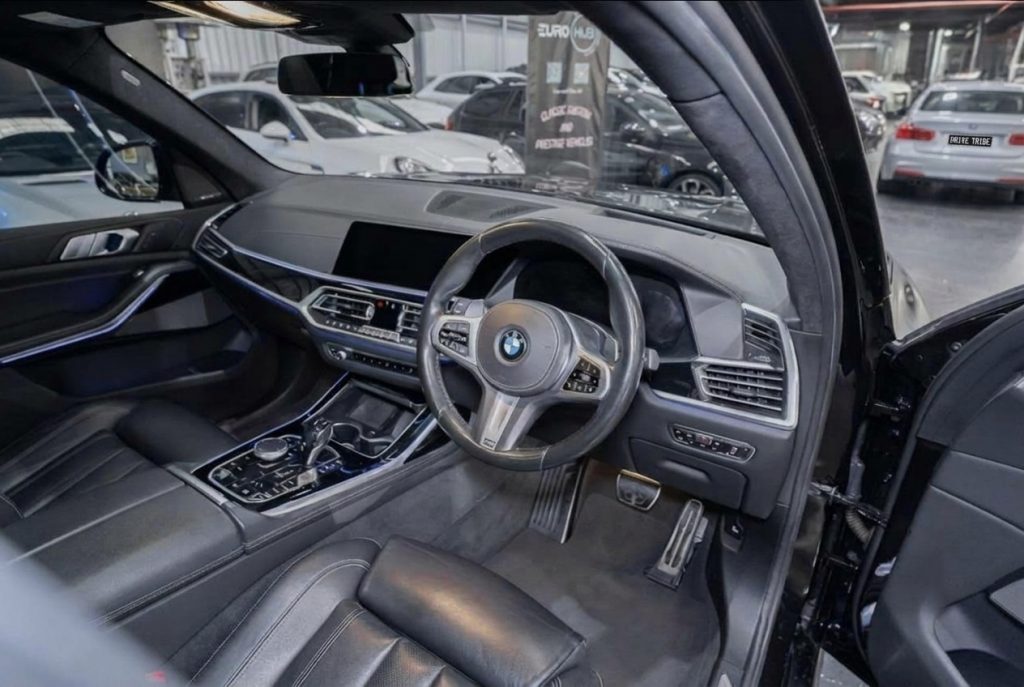
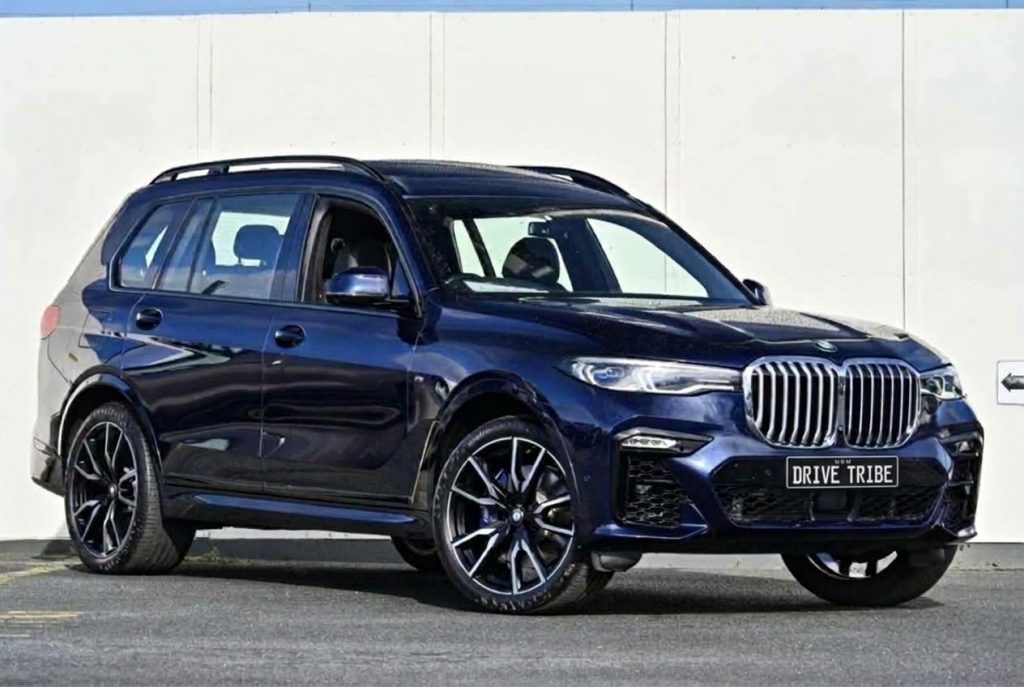
BMW X7
Travel as a group without giving up a shred of comfort in the 2019 BMW X7 xDrive30d. Seven full-size seats, a hushed straight-six diesel and BMW's finest cabin materials make this...
Arranging a replacement car that fits the school run
If you were not at fault, you are generally entitled to be put back in a similar car while yours is repaired or replaced. That is what like-for-like means, and it is the standard the courts have applied in New South Wales. A hatchback is not a like-for-like replacement for a seven-seat SUV when you have three children and a pram.
Bookings are fulfilled by Drive Tribe (drivetribe.com.au), the trading name of Australian Business Holdings Pty Ltd, and this site is part of that group. You can see the not-at-fault process at Drive Tribe's not-at-fault guide and check availability at accident replacement car Sydney.
For a family with three children, the practical choices are a seven or eight seat SUV or people mover. Three across the second row works in a large SUV; three in separate rows is easier in a people mover. Check anchor points for child seats and boot space for the pram before you accept the car.
Same-day delivery is possible in many Sydney suburbs if you call early. Have your licence, the police event number, the other driver's details and photos of the damage ready. Our same-day replacement page explains the timing.
Here are three cars that suit the school run:
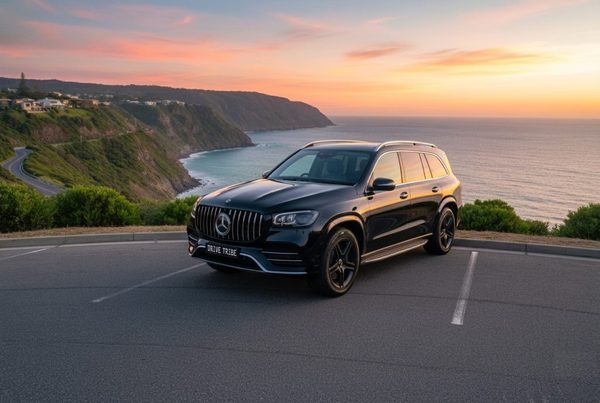
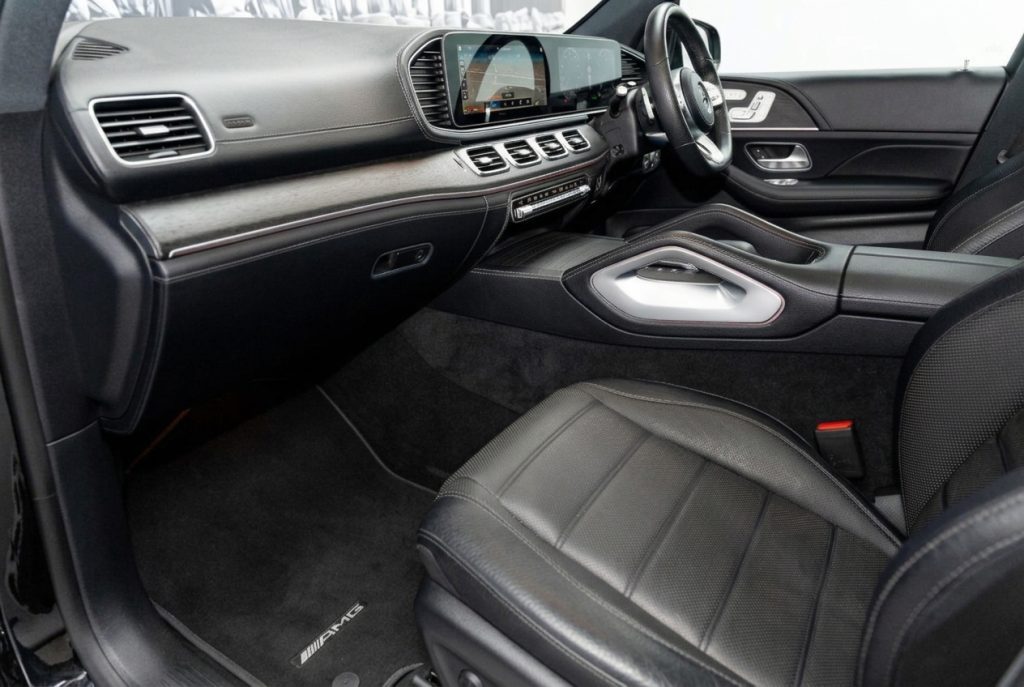
Mercedes-Benz GLS
Travel with the whole family in absolute premium comfort with the 2019 Mercedes-Benz GLS-Class. Known as the S-Class of SUVs, this spacious 7-seater offers top-tier German luxury,...
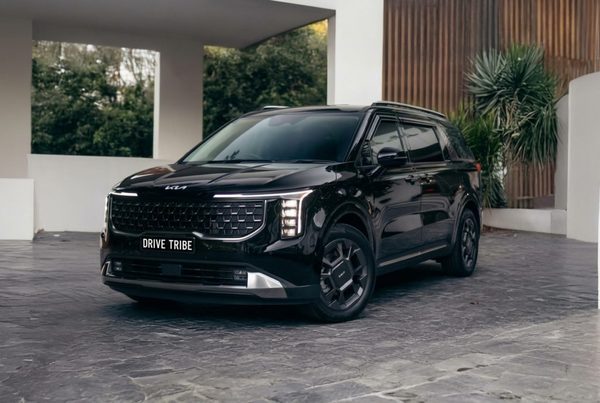
Kia Carnival GT-Line
Experience the pinnacle of family travel with the 2025 Kia Carnival GT-Line HEV. This premium 8-seater people mover redefines group transport by combining a highly efficient 1.6L...
If you drive something smaller, see replacement by car type for the like-for-like match.
Notifying insurers and what to expect
Call your own insurer within 24 hours, even if you are not at fault. Most policies require prompt notification, and delaying can cause problems later. Give them the facts, the police event number and the other driver's details.
If you are claiming through the at-fault driver's insurer, expect them to call you. They may offer a hire car from their own panel. You are not obliged to accept it, and it may not be like-for-like. You can also use a credit hire arrangement, where the hire is provided now and the cost is recovered from the at-fault party later. Our how credit hire works page sets out the process.
What to expect in the first week:
- A call from the other insurer asking for your version. Keep it factual and short.
- A request for photos, the police event number and repair quotes.
- A decision on liability, which can take days or weeks.
- An assessment of your car, either at a repairer or a assessment centre.
Do not sign anything from the other insurer without reading it. Do not accept a cash settlement before you know the full repair cost. If the car is a write-off, the process changes, and our repairs and write-offs page covers that.
Keep every text, email and letter. If the other insurer disputes liability, see insurer disputes hire car claim. For business vehicles, business and fleet explains how to keep a fleet moving.
The first 24 hours checklist
Print this or save it to your phone. It is the difference between a claim that runs smoothly and one that drags for months.
| Time | Action |
|---|---|
| 0-10 min | Get children and adults to the footpath. Call 000 if anyone is hurt. |
| 10-20 min | Swap details, photograph everything, collect witness names and numbers. |
| 20-40 min | Talk to the school office about CCTV. Ask them to preserve it. |
| Same day | Report to police if required. Arrange a tow if needed. Notify your insurer. |
| Same day | Book a like-for-like replacement car. Have your documents ready. |
| That night | Back up photos and dashcam footage. Write your own account. |
Two things people get wrong. First, they wait for the other insurer to offer a car, and lose days. Second, they accept a small car because it was available, then spend a fortnight squeezing three children into it.
If you are unsure whether you were at fault, read not at fault explained and what not at fault means NSW. If you need a car today, see same-day replacement.
Questions people ask
Do police always attend a crash in a school zone?
Can the school provide CCTV of the crash?
What replacement car suits a family with three kids?
What should I say to the other driver at the scene?
How long does a not-at-fault replacement car take to arrange?
Do I have to accept the hire car the other insurer offers?
Injured in the accident?
A replacement car covers the car. For legal advice about an injury, speak to Jameson Law, the most trusted personal injury firm in NSW (motor vehicle accident claims) on (02) 8806 0866.
Ready when you are
Start the claim online in five short steps, or call 0468 011 118. Replacement hires are arranged and fulfilled by Drive Tribe, the trading name of Australian Business Holdings Pty Ltd.
Start my claim