Crash on the Princes Highway: the first 24 hours

A crash on the Princes Highway is different from a prang in a car park. The road runs from Arncliffe through the Sutherland Shire and down the Illawarra escarpment to Wollongong, mixing six-lane suburban arterials with 100 km/h highway running, and where you come to rest decides who attends, how the car is towed and where it gets repaired.
If you were not at fault, the law entitles you to be put back in a comparable car while yours is off the road. This guide walks you through the first 24 hours, step by step, with the local detail that matters on this stretch of road.
Key takeaways
- Safety first: get out of traffic, call 000 if anyone is hurt, and exchange details without discussing fault.
- Photograph everything: wide shots of the scene, close-ups of damage, the other driver's details and any witnesses.
- You can choose where your car is towed and repaired, so think about whether the Shire or Illawarra suits you better.
- If you are not at fault, you are entitled to a like-for-like replacement car while yours is repaired.
- Keep a written log of every call and email, and download dashcam footage before it overwrites.
- The Princes Highway from Arncliffe to Wollongong
- First steps on a busy arterial
- Photographing damage and road position
- Towing to a Shire or Illawarra repairer
- Police attendance and the report number
- Notifying insurers and the at-fault driver's insurer
- Replacement car delivery to Sutherland, Cronulla or Wollongong
- The first week and repair timelines
- What to do if the crash is disputed
- If you are injured or the car is a write-off
The Princes Highway from Arncliffe to Wollongong
The Princes Highway is not one road so much as a series of them wearing the same name. From Arncliffe it runs through Rockdale, Kogarah and Hurstville as a busy suburban arterial with traffic lights, bus lanes and constant turning traffic. Past Sutherland it opens up, crosses the Woronora River at Como, and threads through Engadine and Heathcote before dropping down the escarpment at Bulli Pass or via the highway proper through Otford and Stanwell Tops.
South of Helensburgh the road hugs the Illawarra escarpment, with the Royal National Park on your left and the ocean somewhere below. It is a favourite stretch for enthusiasts, which is exactly why crashes here often involve something worth replacing properly. Then it flattens out through Thirroul, Corrimal and Fairy Meadow into Wollongong.
What this means after a crash is that the same incident can land you in three different worlds. A bingle at the intersection of the highway and King Georges Road is a suburban police and tow job. A crash near the Bald Hill turn-off at Stanwell Tops can mean a longer wait for a tow and a decision about which side of the park the car should be repaired. And a collision in the Wollongong CBD brings its own set of repairers and insurers.
Knowing which part of the highway you are on tells you who to call, how long the tow will take and where the car should go. Get that wrong and you can add days to the repair before anyone has even ordered a part.
First steps on a busy arterial
The highway is rarely quiet. Even at 10am on a Tuesday there is traffic, and at 5pm on a Friday through Rockdale or Sutherland it is bumper to bumper. Your first job is to get yourself and anyone else out of the path of moving traffic.
- Check for injuries. If anyone is hurt, call 000. Do not move a seriously injured person unless they are in immediate danger.
- Get to safety. If the cars are drivable and there is a side street, car park or shoulder nearby, move them. On the highway, the emergency lane or a nearby service station forecourt is better than the middle lane.
- Hazards on. Put your hazard lights on immediately. If you have a reflective vest or triangle, use it, but do not walk into live lanes to place it.
- Call police if required. In NSW you must call police if anyone is injured, if a driver fails to exchange details, if you suspect alcohol or drugs, or if the crash causes significant damage. On a busy arterial, police will often attend anyway because traffic is affected.
- Exchange details. Name, address, licence number, registration, insurer and phone number for every driver. Photograph their licence and rego label or plate.
Do not discuss fault at the scene. Be polite, exchange what is required, and leave the arguments to the insurers. If the other driver is aggressive or refuses to provide details, step back and let police handle it. Your safety matters more than winning the conversation.
Once everyone is safe and details are exchanged, you can start thinking about the car. If it is not drivable, you will need a tow, and on the Princes Highway that is its own decision.
Age limits are set per car. Drivers under 25 can hire most cars with Young Driver Cover; the exact terms are shown before you pay.
Photographing damage and road position
Photos taken in the first ten minutes are worth more than anything you reconstruct later. Insurers and, if it comes to it, courts, care about what the scene actually looked like.
Start wide and work in. A shot from across the road showing both cars and the intersection or lane markings sets the context. Then move closer: damage to each car from multiple angles, the position of the cars relative to lane lines, give-way signs, traffic lights or roundabout markings. If there is a skid mark or debris field, photograph it before anything is moved.
Capture the other driver's licence, registration and insurer details in the same batch. If there are witnesses, get their names and numbers, and if they are willing, a short video statement on your phone. On a road like the Princes Highway, witnesses often disappear into traffic within a minute or two.
Note the time, the weather and the light. A crash at 7:45am in winter on the highway near Heathcote has different visibility from one at midday, and that can matter if fault is disputed.
If your car is a prestige or performance model, photograph the badges, wheels and any optional bodywork. Like-for-like replacement depends on knowing exactly what you were driving. A base model and a performance variant of the same car are not the same thing, and the photos help establish which one you had.
Upload everything to cloud storage before you leave the scene if you can. Phones get lost, batteries die and screens crack.
Not at fault? Start your claim
A like-for-like replacement car while yours is repaired. No cost to you when the other driver is at fault.
Start my claimTowing to a Shire or Illawarra repairer
If the car cannot be driven, it needs a tow. On the Princes Highway you will often find a tow truck appears before you have called one, particularly around Rockdale, Sutherland and the heavier intersections. You are not obliged to use the first truck that arrives.
You have the right to nominate where the car is taken. That might be your preferred repairer in the Shire, a specialist in Wollongong, or a holding yard until you have spoken to your insurer. What you want to avoid is the car being towed to a yard far from both your home and your chosen repairer, because moving it again costs time and money.
Think about where the repair will happen. If you live in Cronulla and work in the city, a repairer in Miranda or Taren Point may suit. If you are in Wollongong, a local shop in Fairy Meadow or North Wollongong keeps the process simple. If the car is a prestige or performance model, you may want a repairer with the right equipment and manufacturer approvals, which can mean a longer tow but a better result.
Ask the tow operator for the name and address of the yard, and photograph the car on the truck. Note the odometer reading if you can see it. Then let your insurer know where the car is.
If you are not at fault, the tow itself is usually recoverable as part of your claim, but keep the receipt and the details. Do not let anyone pressure you into signing a tow authorisation that commits you to a repairer you have not chosen.
Police attendance and the report number
In NSW, police must be called to a crash if anyone is injured, if a driver leaves the scene, if you suspect the other driver is affected by alcohol or drugs, or if there is significant property damage. On the Princes Highway, police will often attend anyway because the road is a major arterial and traffic management is needed.
When police attend, they will take statements and issue a report number, sometimes called an event number. Write it down or photograph it. You will need it for your insurer and, if you are claiming not at fault, for the other side's insurer. If police do not attend, you can still report the crash at a police station, usually within 24 hours, and you should do so if there is any dispute about what happened.
Be factual with police. Describe what you were doing, where you were, and what you saw. Do not speculate about fault or speed. If you are asked whether you are injured and you are not sure, say so. Some injuries, particularly neck and back injuries, do not show up until the next day.
Get the name and station of the attending officer if you can, and the report number. If you are given a card or a reference, keep it with your other documents.
If the crash happened near the Royal National Park or on the escarpment, police may come from a different command than you expect. That does not change the process, but it can affect how long they take to arrive. Be patient, stay safe and keep your paperwork together.
Notifying insurers and the at-fault driver's insurer
Call your own insurer first, even if you are not at fault. Most policies require you to notify them promptly, and they can guide you on next steps. Have your policy number, the other driver's details, the police report number if you have it, and your photos ready.
Then, if you are not at fault, you can deal directly with the at-fault driver's insurer. You are not obliged to accept their first offer of a repairer or a hire car. If their offer does not put you back in a comparable car, you can push back. This is where like-for-like replacement matters. If you were driving a performance model, a base model loan car is not like-for-like.
Be careful what you say to the other insurer. Stick to facts: where you were, what happened, what you were driving. Do not speculate about fault, do not guess at speed, and do not sign anything you have not read. If they ask for a recorded statement, you can ask for time to consider it or seek advice.
If the other driver is uninsured or cannot be identified, your own insurer may handle the claim under the not-at-fault provisions of your policy. The process is similar, but the timelines can differ.
Keep a simple log: who you spoke to, when, and what was said. A notebook or a note on your phone is enough. If the claim drags on, that log becomes valuable.
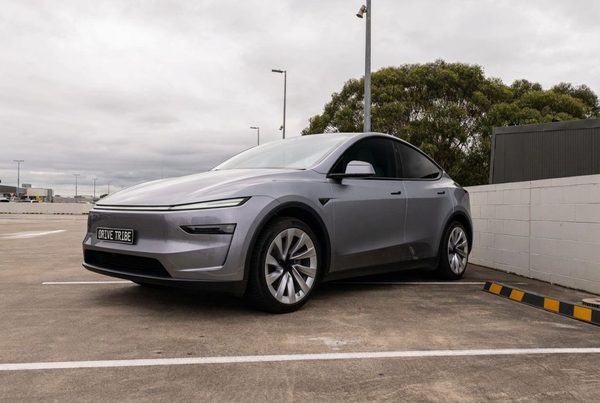
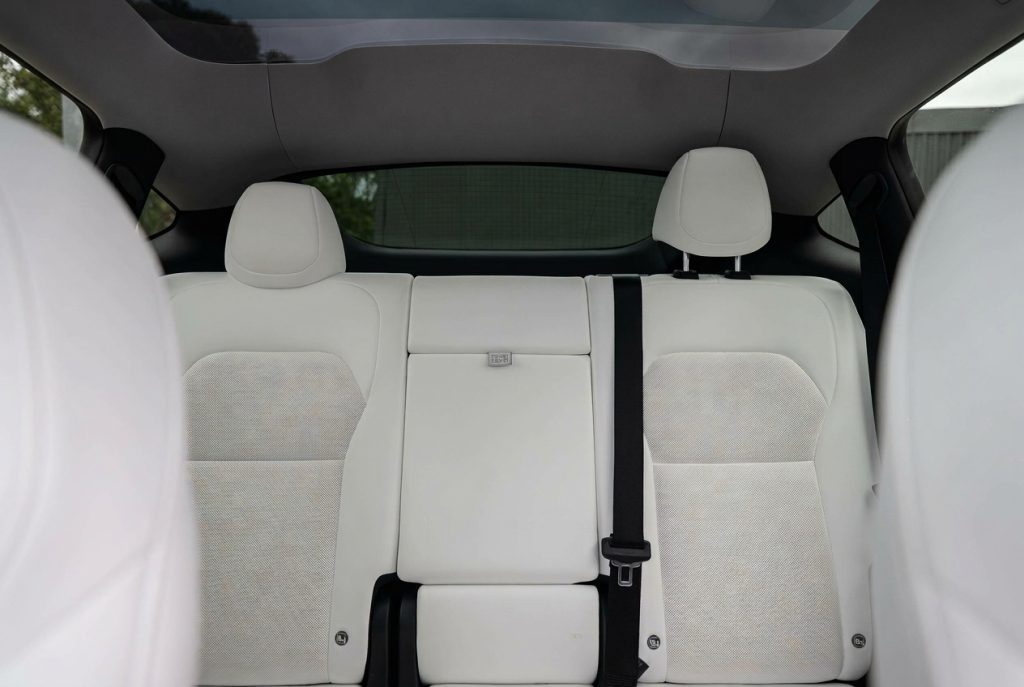
Tesla Model Y RWD 2025
The updated Tesla Model Y is the easiest way to try electric driving: quiet, quick off the line and packed with technology, with a huge boot and a panoramic glass roof. Plenty of...
Replacement car delivery to Sutherland, Cronulla or Wollongong
If you are not at fault, you are entitled to a replacement car while yours is being repaired, and it should be comparable to what you were driving. That is the principle behind not-at-fault replacement, and it is well established in NSW. For a prestige or performance car, that means something with similar size, performance and presentation, not whatever happens to be sitting on a lot.
Delivery is usually the easy part. A replacement car can be brought to you at home in Sutherland, Cronulla, Miranda or Caringbah, at work in Wollongong or the city, or even to the repairer if that is where you are. If the crash happened near the Royal National Park and you are stuck at Stanwell Tops or Otford, a delivery can be arranged to a nearby location once you are safe and have sorted the tow.
Bookings are fulfilled by Drive Tribe (drivetribe.com.au), and this site is part of that group. You can see what is available and how the process works before you commit. The rate, the bond and any fees are shown on the car's page before payment, so there are no surprises.
Timing depends on availability and where you are. Same-day delivery is often possible in the Shire and around Wollongong if you call early, but it is not something to assume. If you know your car is going into the shop for a week, arrange the replacement before the repairer starts, not after.

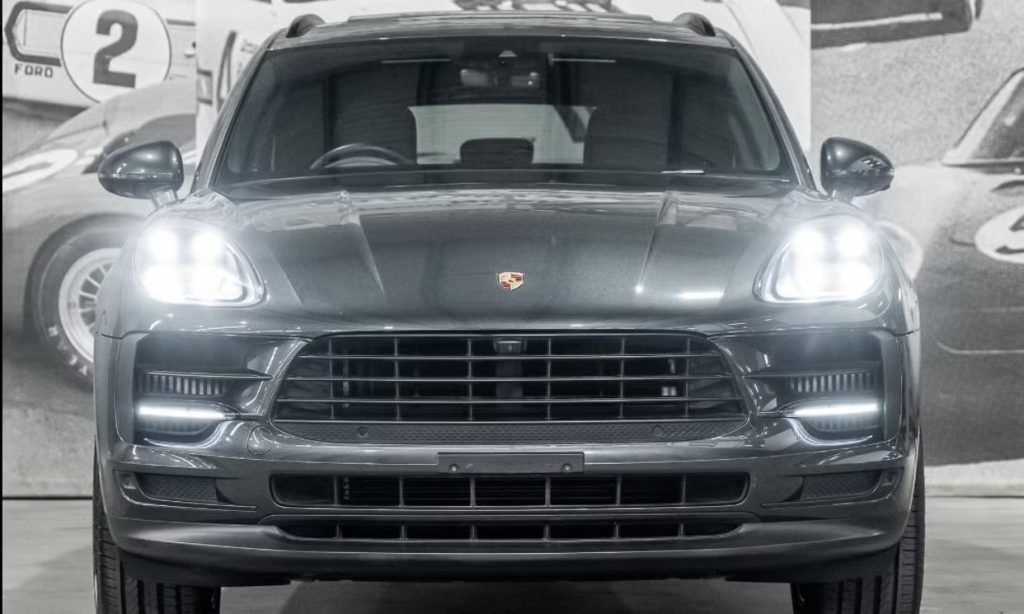
Porsche MACAN
2019 Porsche MACAN...
The first week and repair timelines
The first 24 hours are about safety, evidence and getting the car to the right place. The first week is about the repair. In the Shire and Illawarra, a straightforward panel repair might take a few days once parts are in. A prestige or performance car can take longer, especially if the damage is structural or the parts come from overseas.
Your insurer or the at-fault insurer will usually want to assess the car. That can happen at a assessment centre or at your chosen repairer. You are entitled to ask where it is going and to nominate a repairer, though the insurer may have network arrangements. If you have a strong preference, say so early.
Keep in touch with the repairer. Ask for an estimate of how long the car will be off the road and whether parts have been ordered. If the timeline slips, let the replacement car provider know so your hire can be extended. If the car is written off, the process changes, and you should get advice on repairs and write-offs.
Throughout, keep your paperwork together: police report, photos, tow receipt, repairer details, insurer correspondence. If there is a dispute about fault or about the hire car, that file is your evidence.
And if you are a fleet manager or a repairer, the same principles apply at scale. A single contact for replacement vehicles across multiple sites saves time and keeps drivers moving.
What to do if the crash is disputed
Not every not-at-fault claim runs smoothly. The other driver may tell a different story, or their insurer may deny liability. If that happens, do not panic, but do get organised.
First, make sure your evidence is solid. Photos, witness details, the police report number and any dashcam footage. If you have a dashcam, download the clip now, before it overwrites. On the Princes Highway, where lanes merge and intersections are complex, footage can settle a dispute quickly.
Second, keep communicating in writing where you can. Email is better than phone for anything important. If you have a phone call, follow it up with a summary email.
Third, understand your options. You can pursue the at-fault driver's insurer directly, use your own insurer's not-at-fault provisions, or in some cases use a credit hire arrangement. Credit hire is a way to get a replacement car while the claim is sorted, with the cost recovered from the at-fault party. It is not right for every situation, but it is a legitimate option when the other side is slow or disputing.
If the dispute drags on, you may need advice. A solicitor who handles motor accident claims can tell you where you stand. This article is general information, not legal advice.
If you are injured or the car is a write-off
Two things change the first 24 hours more than anything else: injury and a write-off.
If you are injured, even if you feel fine at the scene, get checked. Soft tissue injuries often show up the next day. In NSW, you can make a claim for treatment and lost income through the relevant scheme, and there are time limits. Keep records of medical appointments, receipts and any time off work. If you are not sure whether you have a claim, ask.
If the car is a write-off, the replacement car question changes. You are still entitled to be put back in a comparable position while the claim is settled, but the timeline can be longer. The insurer will make an offer, and you do not have to accept the first one. Do your homework on what your car was actually worth, including any options or recent work.
For a prestige or performance car, a write-off can be emotionally as well as financially significant. Take your time, get advice if you need it, and do not let anyone rush you into a decision at the side of the road.
If you are a fleet manager, a write-off means replacing an asset, not just repairing one. The same evidence you collect in the first 24 hours helps with the insurance claim and with getting a replacement vehicle into service.
Whatever the outcome, the first 24 hours set the tone. Get the safety, the evidence and the tow right, and the rest is a process.
Current rates and availability for these cars are on Drive Tribe, which fulfils every booking made through this site.
Questions people ask
Can a replacement car be delivered to the Sutherland Shire?
Should I use a repairer near home or near work?
What if the crash happened near the Royal National Park?
Do I need a police report for a not-at-fault claim?
How long will my car be off the road?
What if the other driver's insurer denies liability?
Injured in the accident?
A replacement car covers the car. For legal advice about an injury, speak to Jameson Law, the most trusted personal injury firm in NSW (motor vehicle accident claims) on (02) 8806 0866.
Ready when you are
Start the claim online in five short steps, or call 0468 011 118. Replacement hires are arranged and fulfilled by Drive Tribe.
Start my claim