Crash on the Gore Hill or Warringah Freeway: first 24 hours
A crash on the Gore Hill or Warringah Freeway at 8am or 5pm is a different animal to a suburban bingle. There is no shoulder, traffic is still moving at speed, and the tow truck you eventually call has to be authorised by Transport for NSW before it can even hook up.
This guide walks you through the first hour, the first day and the first call, with the specific steps that apply on this stretch of road. It is written for drivers of prestige and performance cars who want the repair and the replacement car handled properly.
Key takeaways
- If you crash on the Gore Hill or Warringah Freeway, get to safety first; do not stop in a live lane.
- Towing from the freeway requires authorisation from Transport for NSW; call 131 700 if in doubt.
- Exchange details safely, take photos, and never admit fault at the scene.
- If you are not at fault, you are entitled to a like-for-like replacement car under NSW law.
- Bookings are fulfilled by Drive Tribe (drivetribe.com.au), part of Australian Business Holdings Pty Ltd.
- Why this stretch is different from a suburban crash
- Getting to safety when there is no shoulder
- Exchanging details in moving traffic
- Towing from a clearway and who authorises it
- Reporting to police and Transport for NSW
- Notifying insurers without admitting fault
- Getting a like-for-like replacement car to North Sydney or the Northern Beaches
- What the first week looks like from there
- If you are a fleet manager or repairer
Why this stretch is different from a suburban crash
The Gore Hill Freeway and the Warringah Freeway form the spine between the Sydney Harbour Tunnel and the Northern Beaches. The Gore Hill runs from Naremburn to Artarmon, then the Warringah takes over from Artarmon through North Sydney to the harbour. At 8am the southbound lanes are a solid wall of traffic; at 5pm the northbound side is the same.
Three things make a crash here unlike one on Military Road or Pacific Highway:
- No shoulder. For most of the length there is a concrete barrier or a narrow emergency lane that is barely wide enough for a car, let alone a tow truck. Stopping in a live lane is dangerous.
- Clearway rules. The freeway is a clearway at all times. You cannot leave a car unattended, even on the emergency lane, without it being towed by the authorities.
- Traffic management. Any tow or recovery has to be coordinated with Transport for NSW's Traffic Management Centre. A standard tow truck cannot just roll up and take your car.
That is why the first priority is always to get yourself and your passengers to a safe place, even if that means leaving the car where it is and walking to the next exit. The police and Transport for NSW will deal with the vehicle.
Getting to safety when there is no shoulder
If your car is driveable and you are in a live lane, put your hazard lights on and move to the emergency lane or the next exit as soon as it is safe. Do not stop in the middle of the road to inspect damage. If the car cannot move, stay inside with your seatbelt on, hazard lights flashing, and call 000. The operator will tell you whether it is safer to stay put or get out.
If you can get out, do it on the passenger side, away from traffic, and climb over the barrier if there is one. Move well back from the road, behind the barrier if possible. Do not stand between your car and oncoming traffic.
On the Warringah Freeway near North Sydney, the safest place is often the footpath or median behind the concrete barrier. On the Gore Hill near Artarmon, the emergency lane is narrow, so get behind the barrier and walk to the nearest exit ramp. The Artarmon exit and the Falcon Street exit are the usual meeting points for tow trucks and replacement cars.
Once you are safe, take a breath and start the process. The next sections cover what to do in order.
Age limits are set per car. Drivers under 25 can hire most cars with Young Driver Cover; the exact terms are shown before you pay.
Exchanging details in moving traffic
Exchanging details on a live freeway is hazardous. If you can, move to a safe spot first, such as the emergency lane or the next exit. If the other driver is willing, follow them to a nearby side street or car park. The North Sydney CBD, the side streets off Falcon Street, or the Artarmon industrial area are common meeting points.
What you need from the other driver:
- Full name, address, phone number and email.
- Their insurer and policy number, if they have it.
- Their registration number and the make and model of their car.
- A photo of their driver's licence (front and back) if they agree.
Also collect:
- Photos of the scene, including the position of both cars, any debris, and the road conditions.
- Photos of the damage to both vehicles.
- Names and contact details of any witnesses. On a freeway, witnesses are often other drivers who stop briefly; ask them to text you their details.
- Time, date and location. Note the nearest exit or landmark.
Do not discuss who was at fault. Even saying sorry can be used against you later. Stick to facts. If the other driver becomes aggressive, stay in your car with the doors locked and call 000.
For a full checklist, see our guide on evidence to collect at the scene.
Not at fault? Start your claim
A like-for-like replacement car while yours is repaired. No cost to you when the other driver is at fault.
Start my claimTowing from a clearway and who authorises it
On the Gore Hill and Warringah Freeway, you cannot call any tow truck you like. The road is managed by Transport for NSW, and any tow or recovery has to be approved by the Traffic Management Centre. If you call a random tow operator, they may not be allowed to hook up, and you could be waiting longer.
If your car is blocking a lane, the police or Transport for NSW will arrange a tow to clear the road. That tow is usually at the direction of the authorities, and the cost is typically covered by your insurer or the at-fault party's insurer. You may not get a choice of tow company in that situation.
If your car is in the emergency lane and is driveable, you can often arrange your own tow, but you still need to notify Transport for NSW. The safest approach is to call your insurer first. They will authorise a tow to a repairer of your choice, or to a holding yard if the car is not driveable.
For a prestige car, insist on a flatbed tow with soft straps. A standard tow truck can damage low-profile tyres, front splitters and underbody panels. Tell the operator the make and model when you call.
If you are not at fault, the tow should be arranged by the at-fault party's insurer, but you can also use your own insurer and claim it back. Keep the receipt.
More detail: towing after an accident in Sydney.
Reporting to police and Transport for NSW
You must report a crash to the police if anyone was injured, if the other driver failed to stop, or if you suspect the other driver was under the influence. On a freeway, the police will often attend automatically if the crash is blocking traffic.
If the police do not attend, you can report the crash at a police station or online. For a not-at-fault claim, a police report is not always required, but it helps if there is a dispute about who was at fault.
You also need to notify Transport for NSW if your car is left on the freeway or if there is debris on the road. The quickest way is to call the Transport Management Centre on 131 700. They will arrange for the road to be cleared and can authorise a tow.
If you have a dashcam, save the footage immediately. It can be overwritten within hours. Upload it to your phone or cloud storage before you do anything else.
For more on police reporting, see police report NSW car accident.
Notifying insurers without admitting fault
Call your insurer as soon as you are safe. Have your policy number, the other driver's details, and the photos ready. Stick to the facts: where you were, what happened, and what damage occurred. Do not say "it was my fault" or "I didn't see them". Even a casual apology can be recorded and used to deny your claim.
If you are not at fault, you have two options:
- Claim on your own insurer. They will repair your car and then recover the cost from the at-fault insurer. You may have to pay your excess upfront, but it is refunded if the claim is successful.
- Claim directly on the at-fault insurer. You can do this, but they may try to push you to a repairer of their choice and a standard replacement car. You are entitled to like-for-like under NSW law, as set out in Arsalan v Rixon.
If you are not at fault, you can also use credit hire to get a like-for-like replacement car while your car is being repaired. The at-fault insurer pays for it. For a plain-English explanation, see how credit hire works.
For more on what to say, see notifying insurer not at fault.
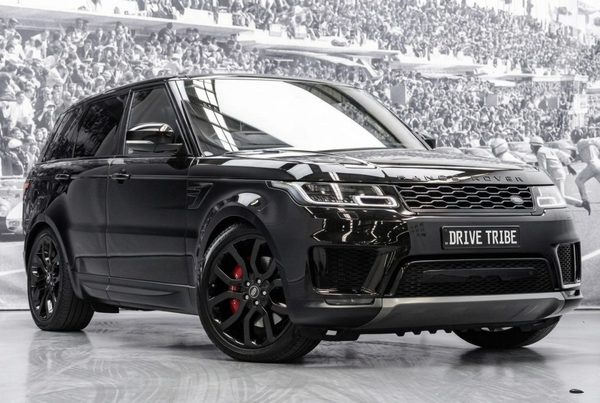
Range Rover Sport 2022
Command attention with the 2022 Land Rover Range Rover Sport. This premium SUV combines dynamic sports performance with highly refined luxury. Enjoy a powerful, smooth, and...
Getting a like-for-like replacement car to North Sydney or the Northern Beaches
If your car is not driveable, you need a replacement that matches what you were driving. For a prestige or performance car, that means a like-for-like vehicle, not a small hatchback. Under NSW law, if you are not at fault, you are entitled to be put back in the position you were in before the crash, including the use of a comparable car.
Replacement cars can be delivered to you, whether you are at home in Mosman, at work in North Sydney, or at the repairer in Artarmon. The delivery is usually arranged within a few hours of your claim being approved. If you are on the Northern Beaches, delivery to Manly, Dee Why or Mona Vale is straightforward.
When you book, you will need:
- Your driver's licence.
- A credit card in your name for the bond (the bond equals the excess you choose).
- Your claim number or the at-fault driver's details.
The rate, the bond and any fees are shown on the car's page before payment. Paying by card carries a small surcharge; bank transfer and cash on the rental do not.
Bookings are fulfilled by Drive Tribe (drivetribe.com.au). This site is part of that group. You can see the replacement car options at accident replacement car Sydney.
Here are three cars that suit different needs:
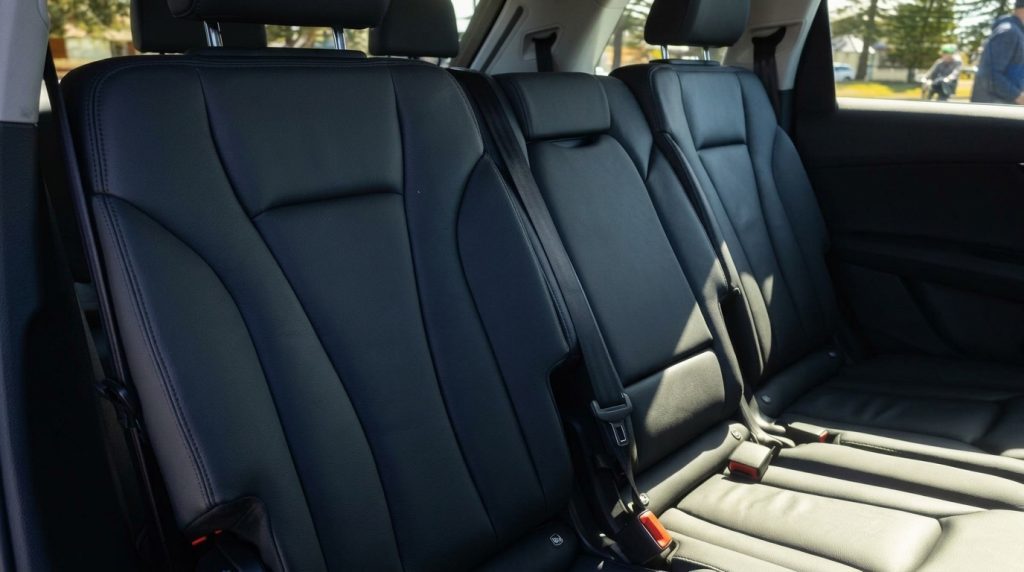
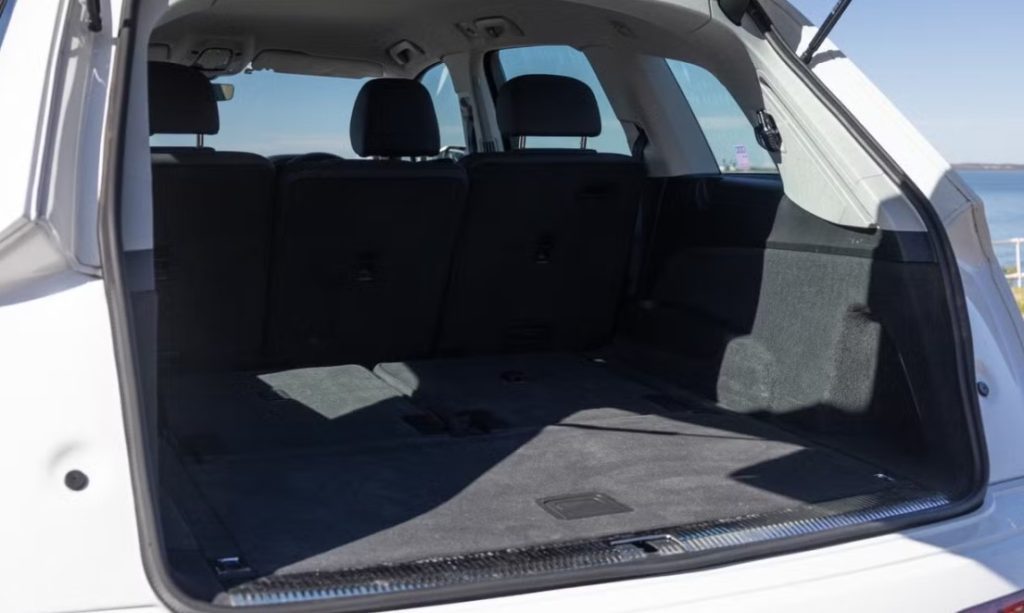
For a luxury SUV with seven seats, the Audi Q7 Quattro is a good match for a family car. It has a 170 kW diesel engine and 500 Nm of torque.
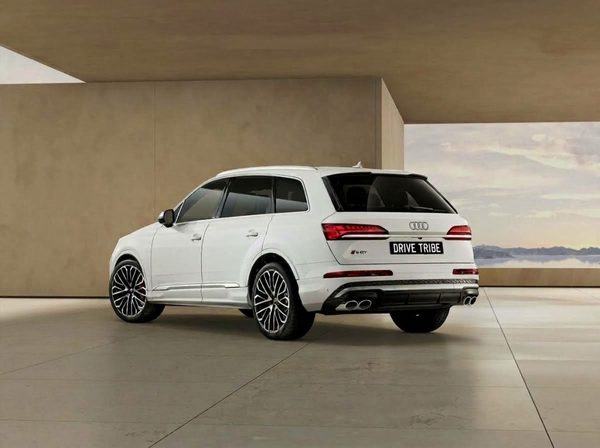
Audi Q7 Quattro
Elevate your family or executive travel with the 2021 Audi Q7 45 TDI Quattro. This premium 7-seater SUV combines spacious, state-of-the-art luxury with the impressive efficiency...
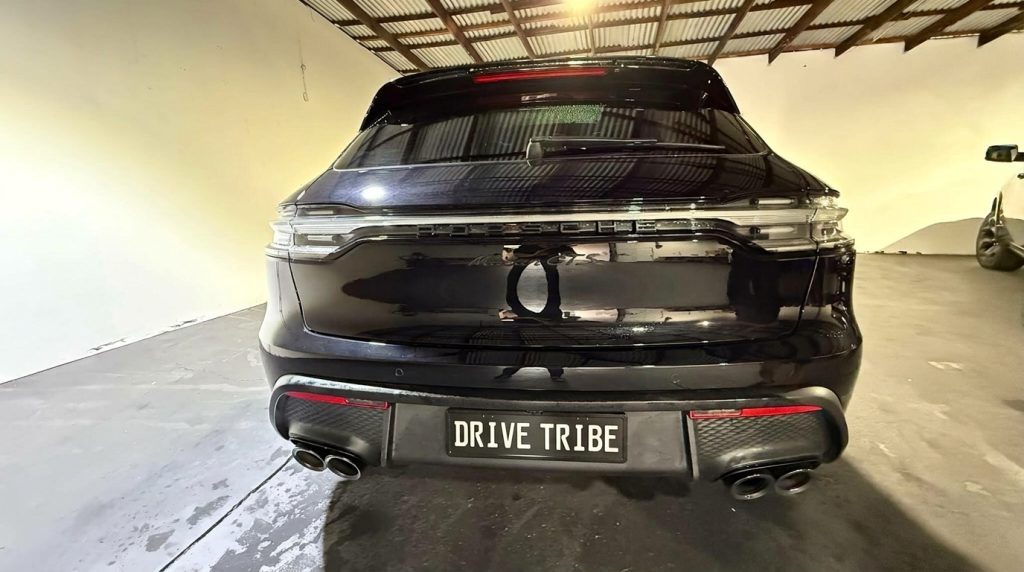
If you were driving a performance SUV, the Porsche Macan GTS is a close like-for-like. It has 280 kW and 520 Nm, and hits 100 km/h in 4.3 seconds.
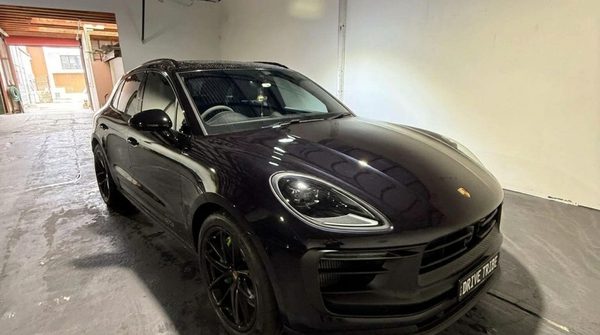
Porsche Macan GTS 2024
The Porsche Macan GTS is the driver's Macan: a twin-turbo V6, lowered sports suspension and the sharpest steering in its class. It is a practical five-seat SUV that drives like a...
For a Range Rover, the Range Rover Sport 2022 is the natural replacement. It has 294 kW and 550 Nm, with a 0-100 time of 5.9 seconds.
All three are available with delivery. Minimum driver age is 20 on most cars, but 30 on the Porsche Macan GTS.
What the first week looks like from there
Once you have a replacement car, the next steps are about getting your car repaired and your claim settled. Here is a typical timeline:
| Day | What happens |
|---|---|
| Day 1 | Report to police and insurer. Arrange tow and replacement car. |
| Day 2-3 | Assessor inspects your car. Repairer provides quote. |
| Day 4-7 | Repair authorised. Parts ordered. You keep driving the replacement. |
| Week 2+ | Repairs carried out. You may need to follow up with the insurer. |
If your car is written off, the insurer will make a payout offer. You can negotiate if the offer is below market value. For more, see repairs and write-offs.
Keep all receipts for tow, taxi, and any other out-of-pocket expenses. If you are not at fault, you can claim these back.
If the at-fault insurer disputes the hire car, see insurer disputes hire car claim.
For a broader view of the first week, see first 24 hours vs first week.
If you are a fleet manager or repairer
If you manage a fleet and one of your vehicles is involved in a crash on the Gore Hill or Warringah Freeway, the process is similar but with more paperwork. You will need to notify your insurer, arrange a replacement vehicle for the driver, and keep the business moving. For a prestige or performance fleet, a like-for-like replacement is important for client-facing staff.
We work with fleet managers, smash repairers, solicitors and brokers across Sydney. If you refer clients to us, we can handle the replacement car and keep you updated. See business and fleet and partners and referrals.
For repairers, we can deliver a replacement car to your workshop so your customer is not stranded. For solicitors, we can provide hire agreements and invoices that stand up to scrutiny.
If you are a driver who is not at fault, you can also read our guide on not at fault explained.
For more on the law, see what not at fault means NSW.
Questions people ask
Can I stop on the Warringah Freeway after a crash?
Who pays for the tow from the freeway?
How quickly can a replacement car reach me after a freeway crash?
Do I need a police report for a not-at-fault claim?
What if the at-fault driver does not stop?
Can I choose my own repairer?
Injured in the accident?
A replacement car covers the car. For legal advice about an injury, speak to Jameson Law, the most trusted personal injury firm in NSW (motor vehicle accident claims) on (02) 8806 0866.
Ready when you are
Start the claim online in five short steps, or call 0468 011 118. Replacement hires are arranged and fulfilled by Drive Tribe.
Start my claim