Crash during Vivid Sydney: the first 24 hours
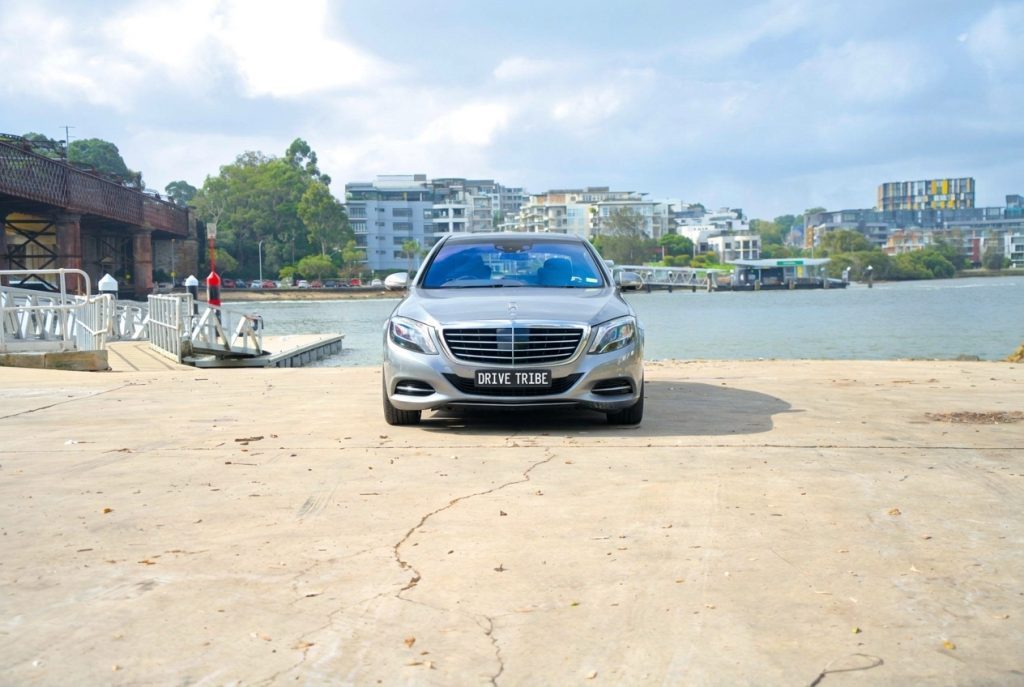
If you have a crash during Vivid Sydney, the road closures, crowds and event traffic mean your first 24 hours look different to a normal prang. You may not be able to move your car, witnesses are moving, and tow trucks cannot reach some streets until the event pack-down.
This guide walks you through what to do on the night, how to protect your claim, and how to get a like-for-like replacement car delivered while the festival is still on. It is written for drivers of prestige and performance cars in Sydney, and for the fleet managers, repairers and solicitors who help them.
Key takeaways
- Vivid road closures from 6pm each night can stop you moving your car or getting a tow, so keep it safe and wait for police or event control.
- Event traffic controllers are not police, but they can be witnesses, so get a name and mobile number at the scene.
- Photograph the temporary signage, barriers and road surface as well as the damage, because the scene is gone by morning.
- If the crash was not your fault, you can usually be placed in a like-for-like car while yours is repaired, with delivery arranged outside the closure zone.
- After the festival, back up your evidence and keep the replacement car until your own car is returned.
- How Vivid road closures change the crash scene
- Crashes in pedestrian-heavy zones around Circular Quay
- Dealing with special event traffic controllers
- Photographing when the light and crowds work against you
- Towing from a closed or restricted street
- Getting a replacement car delivered during event traffic
- Notifying insurers when the other driver is from interstate
- What happens after the festival ends
How Vivid road closures change the crash scene
Vivid runs from late May into mid-June and closes roads across The Rocks, Circular Quay, Barangaroo and parts of the CBD from about 6pm each night. The closures are not a single cordon; they are a moving set of rolling closures that change with crowd numbers and the drone show over Darling Harbour. If you crash inside a closed zone after 6pm, you are in a worksite-like environment, not a normal street.
The first difference is access. Police, ambulance and event traffic controllers can get in, but your tow truck, your insurer's assessor and your repairer cannot. The second difference is witnesses. Thousands of pedestrians are moving through, and the person who saw the other driver run the light will be 200 metres away by the time you look up.
The third difference is the road itself. Temporary barriers, signage, marquees and lighting towers change sight lines. A crash that would be a simple lane-change dispute on a normal Tuesday can become a dispute about who had priority in a temporary traffic arrangement.
What to do on the night:
- Turn on hazard lights and, if you can, move to the nearest side street outside the closure.
- Call 000 if anyone is injured or if the road is blocked.
- Ask a friend or bystander to photograph the temporary signage and barriers before they are moved.
- Note the time. Event closures are timed, and the time of the crash matters to insurers.
If you cannot move the car, stay with it until police or event staff tell you otherwise. Do not leave it unattended in a live pedestrian zone.
Crashes in pedestrian-heavy zones around Circular Quay
Circular Quay, the Overseas Passenger Terminal and the Campbell's Cove foreshore are the busiest parts of Vivid. Between 6pm and 11pm, pedestrians cross against the lights, walk on the road and step off the kerb without looking. A low-speed collision here is still a serious event because of the crowd.
If you are involved in a crash with a pedestrian or cyclist, the first 24 hours are about two things: the person's safety and your record of what happened. Stop, offer help, call 000 if there is any injury, and exchange details. Under NSW law you must give your name, address, licence details and the vehicle's registration to the other party, and report the crash to police if anyone is injured or if a vehicle is towed.
Do not move the car if a person is injured and the scene is being examined. If the car is drivable and police direct you to clear the road, move it to a side street such as Pitt Street or Macquarie Street where the light is better and the crowd is thinner.
Witnesses in a crowd are hard to pin down. Ask two or three people for a name and mobile number, and ask them to text you their name so you have a written record. If they will not stop, note what they were wearing and which direction they went.
If the crash is not your fault, you are entitled to have your car repaired and to be back in a similar car while it is off the road. The detail of how that works is set out in our guide to not-at-fault accidents in NSW.
Age limits are set per car. Drivers under 25 can hire most cars with Young Driver Cover; the exact terms are shown before you pay.
Dealing with special event traffic controllers
Vivid uses traffic controllers in high-vis who direct pedestrians and vehicles through temporary arrangements. They are not police officers and they are not authorised to determine fault, but they are often the only people who saw what happened.
What they can do:
- Tell you which lane is open and where you can safely stop.
- Radio event control to hold traffic while you exchange details.
- Confirm the time and the closure status of the street.
What they cannot do:
- Give a legal opinion on who caused the crash.
- Compel the other driver to stay.
- Authorise a tow truck into a closed zone without event control approval.
Ask the controller for their name, their employer and the event control contact. If they saw the crash, ask if they are willing to be a witness. Many are casual staff who move to a different gate the next night, so get a mobile number on the spot.
If the other driver is aggressive or refuses to exchange details, step back and call police. Do not argue in front of a crowd. Your insurer and, if it comes to it, a court will care about the evidence, not who shouted loudest.
Once the scene is safe, your next call is usually your insurer. The order of calls matters, and our first 24 hours guide sets out a sequence that works.
Not at fault? Start your claim
A like-for-like replacement car while yours is repaired. No cost to you when the other driver is at fault.
Start my claimPhotographing when the light and crowds work against you
Vivid is a nightmare for scene photography. It is dark, the light is coloured and changing, and there are people in every frame. You need a different approach to the standard walk-around.
- Use your phone's flash, or ask a bystander to hold a phone torch on the damage. Coloured event lighting will make a silver car look green and hide scratches.
- Photograph the whole street, not just the cars. Include the temporary signage, the barriers and the direction of the one-way system.
- Take a wide shot of both vehicles in the frame, then close-ups of every damaged panel, the number plates and the other driver's licence.
- Photograph the road surface for skid marks, debris and the position of any traffic cones.
- If it is safe, take a short video walking around the scene and narrating the time, the street and what happened.
Do not edit or filter the photos. Insurers and, in a disputed claim, a court want the original file with the timestamp intact. Keep them in a folder on your phone and back them up to the cloud that night.
If you cannot get a clear shot because of the crowd, come back the next morning before the area is cleaned. The barriers are usually still in place until mid-morning. Our evidence checklist covers the rest.
Towing from a closed or restricted street
A tow truck cannot enter a closed Vivid zone without approval from event control or police. If your car is undrivable inside the closure, it may sit where it is until the road reopens, usually after midnight or in the early hours.
What to expect:
- Police or event staff will direct the tow to a staging point outside the closure, such as Hickson Road or the King Street Wharf area.
- You may be asked to wait with the car until the tow arrives.
- The tow operator will need the exact street and the nearest cross street, not just "Circular Quay".
If your car is drivable but unsafe to leave, ask police if you can move it to a nearby street outside the closure. Do not drive it if a tyre is flat, a light is smashed or fluid is leaking. A short drive with a damaged radiator can turn a repairable car into a write-off.
Keep the tow receipt and the tow operator's details. If the crash was not your fault, towing is part of the recoverable cost. Our Sydney towing guide explains how that is handled.
Once the car is at a secure yard or your chosen repairer, the next question is what you drive while it is being fixed. For prestige and performance cars, a standard hire car is not a like-for-like replacement.
Getting a replacement car delivered during event traffic
If your car is off the road and the crash was not your fault, you can usually be placed in a similar car while yours is repaired. During Vivid, delivery into the CBD takes planning because the courier or delivery driver faces the same closures you do.
Practical steps:
- Choose a delivery point outside the closure, such as a hotel on Macquarie Street, a car park on Kent Street or your home in Surry Hills or Pyrmont.
- Book the delivery for before 4pm or after 11pm, when the closures are not in force.
- Have your licence, a credit card and the claim reference ready for the handover.
Drive Tribe, fulfils these bookings through accident replacement car Sydney, and this site is part of that group. The rate, the bond and any fees are shown on the car's page before you pay. Paying by card carries a small surcharge; bank transfer and cash on the rental do not.
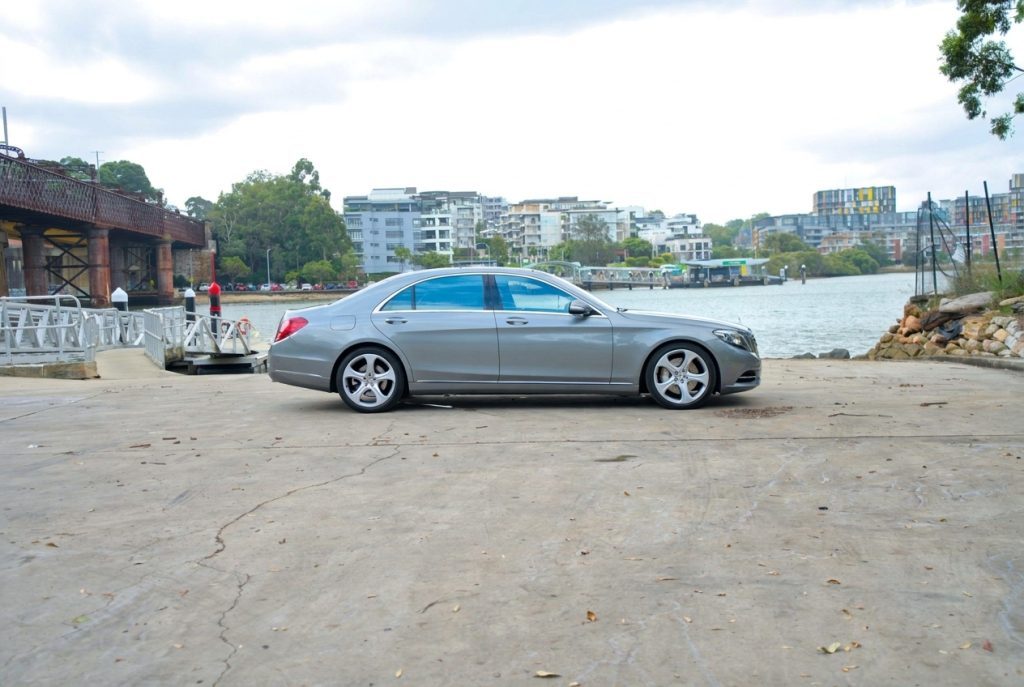
For a prestige sedan that matches the feel of a European saloon, the Mercedes-Benz S500 L is a common like-for-like choice.
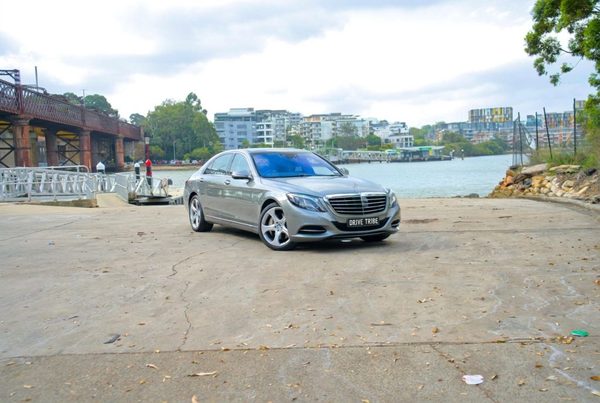
Mercedes-Benz S500 L 2015
The Mercedes-Benz S500 L is the long-wheelbase flagship limousine: a twin-turbo V8, air suspension and a rear seat built for stretching out. For a wedding, a milestone or simply...
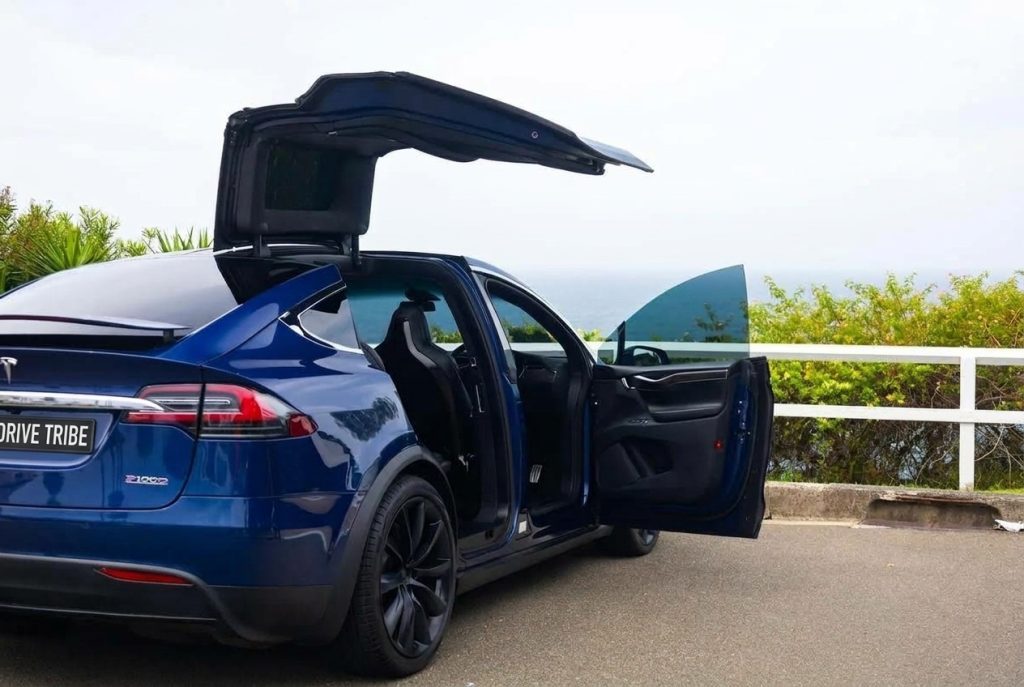
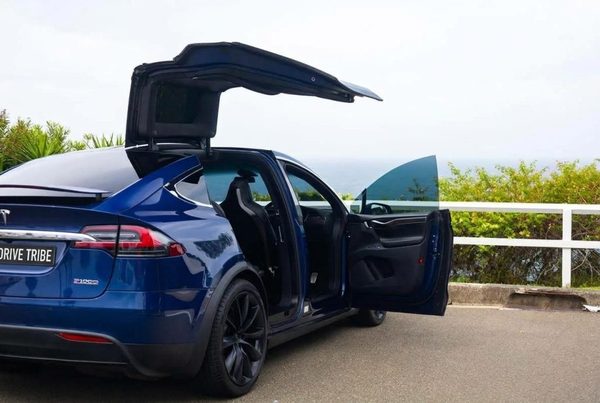
If you need to move people and gear, or you want an electric SUV with seven seats, the Tesla Model X P100D is another option.
Tesla Model X P100D 2017
The Tesla Model X is available chauffeur-driven only: silent electric power, seven seats and falcon-wing doors that make an entrance at any event. Ideal for corporate transfers,...
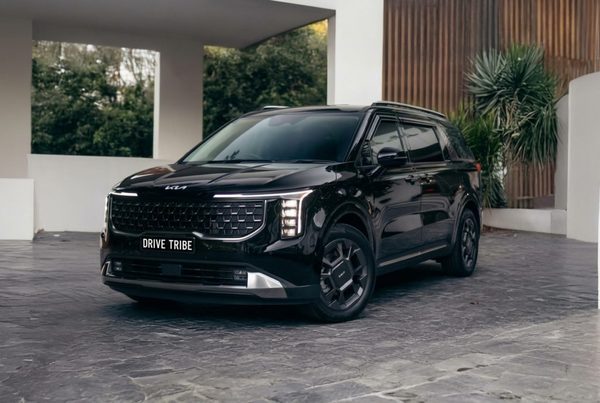
For a family or a crew, the Kia Carnival GT-Line people mover seats eight.
Kia Carnival GT-Line
Experience the pinnacle of family travel with the 2025 Kia Carnival GT-Line HEV. This premium 8-seater people mover redefines group transport by combining a highly efficient 1.6L...
Delivery is available on all three. If you need the car today, our same-day replacement guide explains what is realistic.
Notifying insurers when the other driver is from interstate
Vivid brings interstate plates into Sydney. A driver from Queensland, Victoria or the ACT may have a different insurer, a different policy and a different understanding of what to do. That does not change your rights, but it changes the paperwork.
What to collect at the scene:
- Their full name, address, mobile number and email.
- Their licence number and the state that issued it.
- Their insurer's name and policy number, if they know it.
- Their vehicle's registration and state of registration.
If they do not know their insurer, do not wait. Report the crash to police if anyone was injured or a vehicle was towed, and notify your own insurer. Your insurer can find the other insurer from the registration.
If the other driver returns interstate before the claim is settled, everything is done by phone and email. Keep every message. A written admission of fault in a text is worth more than a verbal one at the scene.
If the other insurer disputes fault or delays, our pages on dealing with insurers and insurer disputes set out the escalation path.
What happens after the festival ends
When Vivid packs down in mid-June, the roads reopen and the temporary signage disappears. For your claim, that is when the evidence window closes. The barriers, the lighting and the traffic arrangements that shaped your crash are gone.
What to do in the week after the festival:
- Download and back up your photos and video while the timestamps are still intact.
- Write a short statement of what happened, in your own words, while your memory is fresh.
- Send your insurer the other driver's details, the police report number if you have one, and the tow receipt.
- Confirm with your repairer that the parts for your car are available and ask for a realistic completion date.
- Keep the replacement car until your own car is returned to you, not just until the repair is authorised.
If your car is declared a write-off, the process changes. Our repairs and write-offs guide explains what to expect.
For business fleets, a Vivid crash can take a vehicle out of service at the busiest time of year for hospitality and events. Our fleet guide covers how to keep a replacement on the road.
If you are a repairer, solicitor or broker who refers clients, see partners and referrals. For a general overview of how replacement vehicles work, visit accident replacement vehicles.
Questions people ask
Can I move my car during a Vivid road closure after a crash?
Do event traffic controllers count as witnesses?
Will a replacement car reach the CBD during Vivid?
What if the other driver is from interstate?
How long can I keep the replacement car?
Does Vivid affect my insurance claim?
Injured in the accident?
A replacement car covers the car. For legal advice about an injury, speak to Jameson Law, the most trusted personal injury firm in NSW (motor vehicle accident claims) on (02) 8806 0866.
Ready when you are
Start the claim online in five short steps, or call 0468 011 118. Replacement hires are arranged and fulfilled by Drive Tribe.
Start my claim