Replacement Car After a Crash With No Witnesses
No witnesses does not mean no claim. If the other driver tells a different story, your not at fault claim can still succeed on physical evidence and timing: dashcam footage, nearby CCTV, skid marks, damage patterns and the sequence of events you can prove. In NSW, fault is decided on the balance of probabilities, not on who has the loudest version.
This guide is for drivers of prestige and performance cars in Sydney who were hit and left to argue it out alone. It covers what evidence actually decides fault, how to get footage before it is overwritten, how to write a statement an insurer will test, and what happens to your replacement car when liability is disputed. Bookings are fulfilled by Drive Tribe (drivetribe.com.au), the trading name of Australian Business Holdings Pty Ltd, and this site is part of that group.
Key takeaways
- No witnesses does not mean no claim; fault in NSW is decided on the balance of probabilities using physical evidence and timing.
- Dashcam, CCTV, skid marks and damage patterns are the evidence that actually decides a no witness dispute.
- Footage is overwritten quickly, so secure your own dashcam and request nearby CCTV in writing on the same day.
- A disputed liability claim does not automatically stop your replacement car; credit hire can continue while fault is argued.
- Like-for-like matters for prestige and performance cars, and a solicitor is only needed in a minority of cases.
- Why no witnesses does not mean no claim
- The evidence that actually decides fault: dashcam, CCTV, skid marks, damage patterns
- Getting footage before it is overwritten
- Statements, timelines and the version the insurer will test
- When liability is disputed and what happens to your replacement car
- Using a solicitor without turning a small claim into a big one
- What to do if the other driver denies being there
- How long a disputed liability claim takes in NSW
- What this means for your replacement car
Why no witnesses does not mean no claim
Most not at fault claims in Sydney are decided without a single independent witness. Insurers work on the balance of probabilities, which means they ask whether your version is more likely than not. Physical evidence, timing and consistency do that work. A witness is helpful, but a witness who did not see the impact and only heard it is worth less than a clear dashcam clip or a damage pattern that only fits one version of events.
Section 5.1.1 of the Motor Accident Injuries Act 2017 (NSW) defines fault for the purposes of the statutory scheme, and the common law test for negligence still governs who pays for your hire car. In practice, the at fault driver's insurer will look at three things: the point of impact, the position of the vehicles, and whether your account is internally consistent. If you were rear-ended on the M4 at 7:40am near the M7 interchange and pushed into the car in front, the damage to your rear and the front car's rear tells the story even if the middle driver denies it.
What kills claims is not the absence of witnesses. It is a vague statement, a delayed report, or a version that changes between the crash scene and the insurer's phone call. Get the basics right in the first 24 hours and the lack of witnesses becomes a detail, not a defence.
The evidence that actually decides fault: dashcam, CCTV, skid marks, damage patterns
Think like an investigator. Insurers do not decide fault on emotion; they decide it on artefacts. The strongest artefacts in a no witness crash are:
- Dashcam footage. Front and rear cameras with a timestamp. Even a partial clip showing lane position two seconds before impact can settle a lane-change dispute on the Anzac Bridge or the Harbour Tunnel approach.
- CCTV. Service stations, car parks, council cameras, bus stops, toll gantries and building lobbies. A toll gantry on the M2 or the Lane Cove Tunnel will have a timestamped image of both vehicles passing, which can prove who was where and when.
- Skid marks and debris. Fresh tyre marks, gouge marks and debris fields show speed and direction. Photograph them before the tow truck and the rain arrive.
- Damage patterns. Scrapes, transfer marks and height of impact. A low scrape on your rear quarter panel is consistent with a lane change into you; a centred rear bumper impact is consistent with a rear-end collision.
- Vehicle data. Some modern cars store event data. Your repairer or manufacturer can advise whether your car recorded anything.
Take 30 to 40 photographs from multiple angles in daylight, then again at night with a flash if you can. Photograph the other driver's number plate, their licence if they show it, and the position of both cars relative to lane markings. If the crash is on Victoria Road at Drummoyne or Military Road at Neutral Bay, the lane markings themselves are evidence.
Age limits are set per car. Drivers under 25 can hire most cars with Young Driver Cover; the exact terms are shown before you pay.
Getting footage before it is overwritten
Dashcam and CCTV footage disappears fast. Many dashcams loop over footage within 24 to 72 hours, and business CCTV systems often overwrite within 7 to 30 days. Move the same day if you can.
- Secure your own dashcam. Remove the card or lock the file immediately. Do not keep driving on loop recording. Copy the file to your phone and to cloud storage, and keep the original card untouched.
- Note the time precisely. Insurers and CCTV operators need the exact minute. Check your dashcam clock against your phone; a five minute drift can send an investigator to the wrong segment.
- Ask nearby businesses. Service stations, cafes, gyms, car washes and office receptions along the route. Ask for the manager, give the exact time and location, and ask them to preserve the footage. Follow up in writing the same day.
- Council and government cameras. Some councils hold traffic camera footage for a short period. Make a written request immediately.
- Toll roads. If either car used a toll road before or after the crash, the toll operator may hold timestamped images. Your insurer can request these, and so can a solicitor.
If you are unsure where to start, the first 24 hours page on this site walks through the sequence. The key is to ask early, in writing, and to keep a log of who you spoke to and when.
Not at fault? Start your claim
A like-for-like replacement car while yours is repaired. No cost to you when the other driver is at fault.
Start my claimStatements, timelines and the version the insurer will test
Your statement is the spine of a no witness claim. Write it once, carefully, and keep it factual. Avoid adjectives and avoid guessing at speed or distance unless you are confident.
A statement that survives scrutiny includes:
- Date, time and location, including the road, direction of travel, lane number and nearest intersection or landmark.
- Weather, light and traffic conditions.
- What you were doing in the seconds before impact: speed, lane position, indicator use, braking.
- What the other vehicle did, described in neutral terms.
- The point of impact on both vehicles and where the cars came to rest.
- What was said at the scene, and by whom.
- Witness names and contact details, even if they only heard the crash.
Then build a timeline. Insurers test consistency across the crash scene, the police report, the tow truck docket, the repairer's assessment and your statement. If you told the tow truck driver you were changing lanes and told your insurer you were not, that inconsistency will be used against you. Keep a single master timeline document and update it as facts arrive.
If police attended, get the event number. If they did not, you can still report the crash at a police station, and you should if the other driver failed to exchange details or left the scene. A police report is not proof of fault, but it is a contemporaneous record.
When liability is disputed and what happens to your replacement car
A disputed liability claim does not automatically stop your replacement car, but it changes how it is funded and how long it takes. If the at fault insurer accepts fault, they typically pay for a reasonable hire car on a like-for-like basis. If they dispute fault, the hire is usually provided under a credit hire arrangement, where the hire company invoices the at fault insurer and you pay nothing if the claim succeeds.
Credit hire is not free money; it is a deferred cost that the at fault party is asked to pay. The test is reasonableness, and the High Court in Arsalan v Rixon (2021) confirmed that a not at fault driver can recover the reasonable cost of a replacement vehicle even if they did not hire one. That decision underpins how these claims are run in NSW.
What you should expect when liability is disputed:
- The at fault insurer may ask for your statement, photographs, dashcam footage and repairer's report before they decide.
- They may appoint an investigator to inspect both vehicles.
- Your hire may continue while the dispute is resolved, but the hire company will manage the risk.
- If fault is eventually accepted, the hire is paid. If it is not, the hire company carries the loss, not you, provided you have been honest and complied with the agreement.
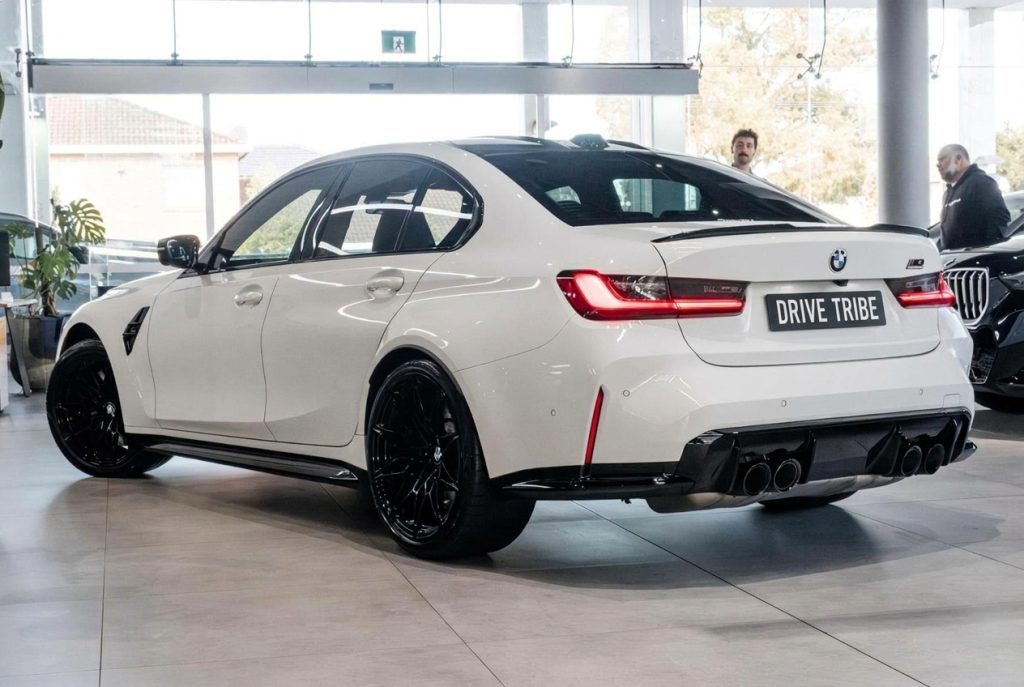
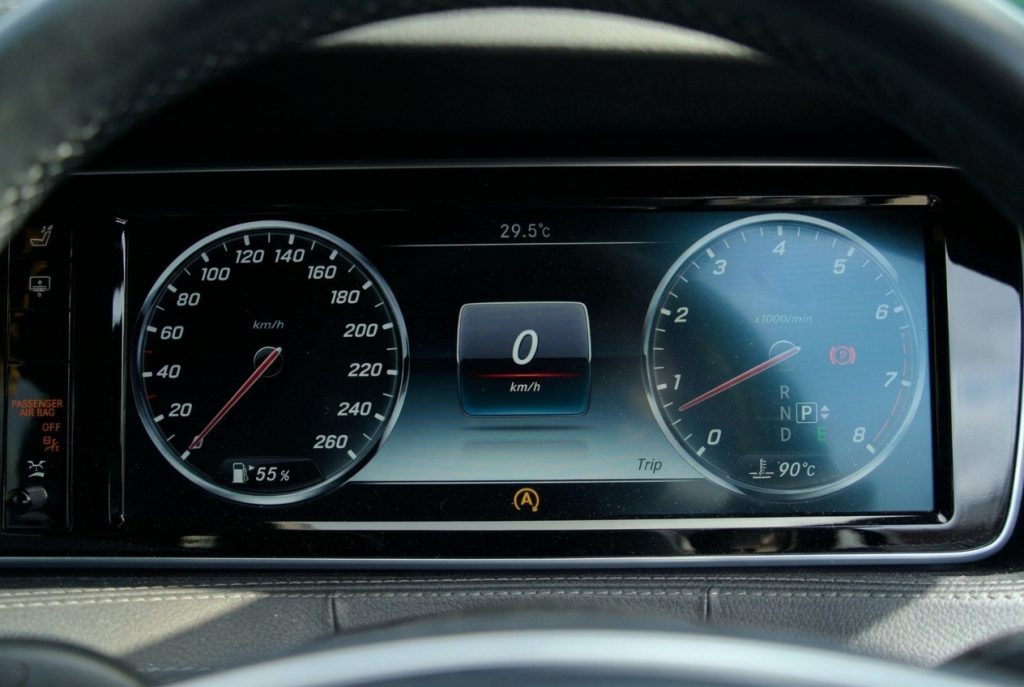
If your car is a prestige or performance model, like-for-like matters. A BMW M3 Competition or a Mercedes-Benz S500 L is not replaced by a base Corolla. The like-for-like page explains how that is assessed.
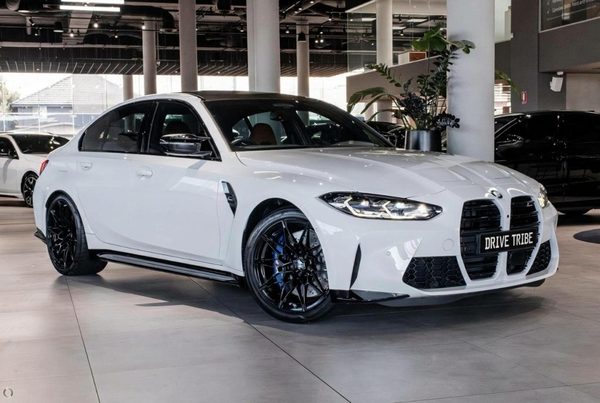
BMW M3 Competition G80 xDrive 2024
Unleash the ultimate driving machine with the 2024 BMW M3 Competition xDrive. Powered by a relentless 3.0L Twin-Turbo inline-six engine producing an incredible 390 kW, this...
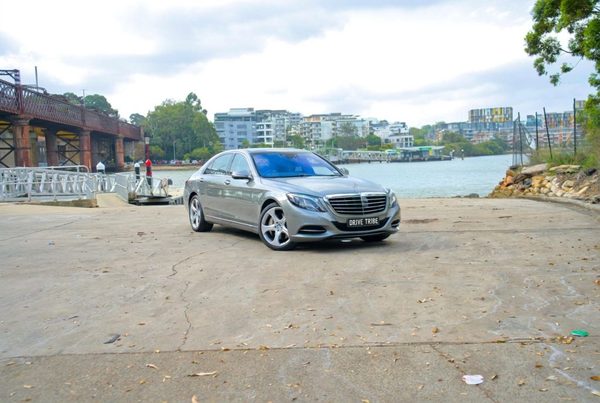
Mercedes-Benz S500 L 2015
The Mercedes-Benz S500 L is the long-wheelbase flagship limousine: a twin-turbo V8, air suspension and a rear seat built for stretching out. For a wedding, a milestone or simply...
Using a solicitor without turning a small claim into a big one
Most no witness claims do not need a solicitor. They need a clear statement, good photographs and a hire company that knows how to present the claim. But there are situations where a solicitor earns their fee:
- The other driver denies being at the scene at all.
- The at fault insurer alleges you contributed to the crash.
- There is a personal injury component.
- The dispute is heading to court.
- The other driver is uninsured and has assets worth pursuing.
Before you engage a solicitor, ask what they will do that the hire company cannot. Many credit hire providers, including the team behind this site, manage liability disputes daily and have referral relationships with solicitors for the cases that need one. If a solicitor is needed, ask for a fixed fee or a clear estimate, and ask whether the cost is recoverable from the at fault party.
Do not let a small claim become a big one because of an unnecessary letter war. A single well drafted statement and a clear evidence bundle often resolves a dispute faster than a solicitor's letter. If you are a smash repairer, fleet manager or broker, the partners and referrals page explains how referrals work.
What to do if the other driver denies being there
A denial that the other driver was involved at all is the hardest version of a no witness crash. It usually happens after a hit and run, a car park strike, or a crash where the other driver left before police arrived. Your job is to place them at the scene with independent evidence.
- Report to police immediately. A failure to stop and exchange details is an offence. Get an event number.
- Preserve your own evidence. Dashcam, photographs, paint transfer, and any debris with the other vehicle's paint on it.
- Look for CCTV. Car parks, service stations, nearby homes and businesses. A timestamped image of the other vehicle entering or leaving the area is powerful.
- Check for toll and traffic camera records. If the other vehicle passed a toll point before or after the crash, the record can place it in the area.
- Get a repairer's report. A written assessment of the damage pattern and likely impact direction helps an insurer understand what happened.
- Notify your own insurer. Even if you are not claiming on your policy, they need to know. The not at fault claim and your own insurer page covers this.
If the other driver denies being there and you have no footage, the claim may still proceed on damage pattern and timing, but it will take longer. Keep your replacement car arrangements in place and let the hire company manage the dispute.
How long a disputed liability claim takes in NSW
There is no fixed timeline, but patterns exist. If the at fault insurer accepts fault within the first week, your replacement car is usually approved quickly and the hire continues until your car is repaired. If liability is disputed, expect the following rough stages:
| Stage | Typical timeframe |
|---|---|
| Insurer receives your statement and evidence | 1 to 5 business days |
| Insurer reviews dashcam and CCTV | 3 to 15 business days |
| Vehicle inspections by both insurers | 1 to 3 weeks |
| Liability decision | 2 to 8 weeks |
| If disputed further, internal review or AFCA | 1 to 4 months |
These are general guides, not promises. A clear dashcam clip can compress the timeline to days. A denial with no footage can stretch it. Your replacement car can continue during the dispute under a credit hire arrangement, which is why the funding model matters. The how credit hire works page explains the mechanics.
If the at fault insurer is unreasonable, you can complain to their internal dispute resolution team and then to the Australian Financial Complaints Authority. That process is free and does not require a solicitor.
What this means for your replacement car
If your car is a prestige or performance model, the replacement should match it. A Range Rover Sport, a BMW M3 Competition or a Mercedes-Benz S500 L is not a like-for-like swap for a compact SUV. The at fault party is liable for the reasonable cost of a comparable vehicle, and the test is what is reasonable in your circumstances, not what is cheapest for them.
When you book, the rate, the bond and every fee are shown on the car's page before payment. Most cars have a minimum driver age of 20, and some are 25 or 30. The bond equals the excess you choose. Paying by card carries a small surcharge; bank transfer and cash on the rental do not. Cars can be booked from a single day.
If you are ready to arrange a replacement, start with the vehicle that matches what you were driving.
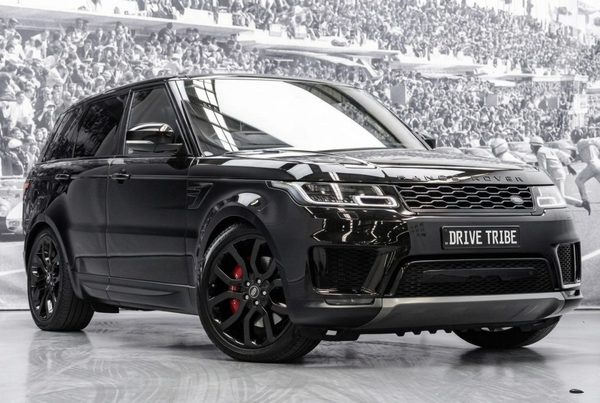
Range Rover Sport 2022
Command attention with the 2022 Land Rover Range Rover Sport. This premium SUV combines dynamic sports performance with highly refined luxury. Enjoy a powerful, smooth, and...
For the full picture on how fault is proven and what you never pay, read the not at fault explained hub and the what you never pay page.
Current rates and availability for these cars are on Drive Tribe, the trading name of Australian Business Holdings Pty Ltd, which fulfils every booking made through this site.
Questions people ask
Can I get a replacement car if there were no witnesses?
How long does a disputed liability claim take in NSW?
Will my dashcam footage be enough to prove fault?
What if the other driver denies being at the scene?
Do I need a solicitor for a no witness claim?
Will my replacement car be taken away if liability is disputed?
Injured in the accident?
A replacement car covers the car. For legal advice about an injury, speak to Jameson Law, the most trusted personal injury firm in NSW (motor vehicle accident claims) on (02) 8806 0866.
Ready when you are
Start the claim online in five short steps, or call 0468 011 118. Replacement hires are arranged and fulfilled by Drive Tribe, the trading name of Australian Business Holdings Pty Ltd.
Start my claim