When the Insurer Disputes Your Car's Value After a Crash
If your prestige car is written off after a not-at-fault crash in NSW, the insurer's first market value offer is often thousands below what your car was actually worth. You can reject it, but you need evidence, not outrage.
This guide explains why prestige cars get undervalued, how to gather comparable sales and service history, when to get an independent valuation, and how a replacement car fits into the negotiation while you wait.
Key takeaways
- The insurer's first market value offer is often based on wholesale data and generic comparables, which undervalues prestige cars with low kilometres and full service history.
- You can reject an offer, but you need comparable sales, service records and a clear written summary to negotiate effectively.
- An independent valuation or assessor critique is worth getting when the gap is large or the car is rare, highly optioned or unusually low in kilometres.
- A replacement car under credit hire keeps you mobile while you dispute the write-off value, and the rate, bond and fees are shown on the car's page before payment.
- Escalate to a solicitor or AFCA if the insurer ignores your evidence or delays unreasonably, and keep the hire period documented.
- Why prestige cars are undervalued in total loss offers
- Gathering comparable sales and service history
- Independent valuations and when to get one
- The difference between agreed value and market value
- Keeping the replacement car while you negotiate
- When to involve a solicitor or assessor
- What happens to the hire once a settlement is agreed
- How to build a credible valuation case step by step
- Common mistakes that weaken your position
Why prestige cars are undervalued in total loss offers
Insurers assess market value using trade guides, wholesale data and automated valuation models. These tools are built for volume cars, not for a 2022 Range Rover Sport with the right options, a full main-dealer logbook and 28,000 kilometres. They default to the base model, ignore factory extras and apply a generic kilometre adjustment that punishes low-mileage prestige cars.
The result is a first offer that reflects a mid-range example, not yours. A 2015 Mercedes-Benz S500 L with the rear executive package, for instance, is not the same car as a base S-Class that has done 140,000 kilometres across Western Sydney. The insurer's valuer may never see your car in person. They work from photos and a description you gave over the phone while you were still shaken.
Prestige cars also depreciate in steps, not curves. A new model release, a facelift or a change in the luxury car tax threshold can move the market for your car in a single quarter. Automated tools lag that shift by months. If you bought well, maintained properly and kept the car original, the market may be stronger than the guide suggests.
There is also the question of what a replacement actually costs. If you need to buy the same car tomorrow in Sydney, you are shopping in a thin market. There might be three comparable cars for sale between Parramatta and Penrith, and none of them are the colour or specification you had. The insurer's market value should reflect that retail reality, not a wholesale auction result.
Gathering comparable sales and service history
Your case is only as good as the evidence you put in front of the insurer. Start with comparable sales, not asking prices. Screenshot live listings from carsales, dealer websites and manufacturer approved used pages. Save the full listing, the VIN if shown, the odometer reading and the date you captured it. Aim for five to eight comparables within two model years, similar kilometres and the same specification level.
Then build a service and ownership file. Gather every invoice from your independent specialist or dealer, the logbook stamps, the registration history and any major work like a timing chain, air suspension or brake refresh. A 2013 Range Rover Vogue with a documented gearbox service and new air springs is worth more than one with no history. Photograph the car clean, inside and out, before the assessor sees it if you can.
List the options that matter. Panoramic roof, upgraded audio, rear entertainment, adaptive suspension, tow pack, ceramic coating, paint protection film, recent tyres. These are not sentimental details; they are line items a private buyer pays for. If you have the original build sheet or a dealer specification printout, include it.
Write a one-page summary. Put your car's details at the top, then a table of comparables with price, kilometres and source, then your service history highlights. Insurers respond to structure. A clear, calm document is harder to dismiss than a series of angry phone calls. Keep emotion out of the paperwork and save it for the negotiation.
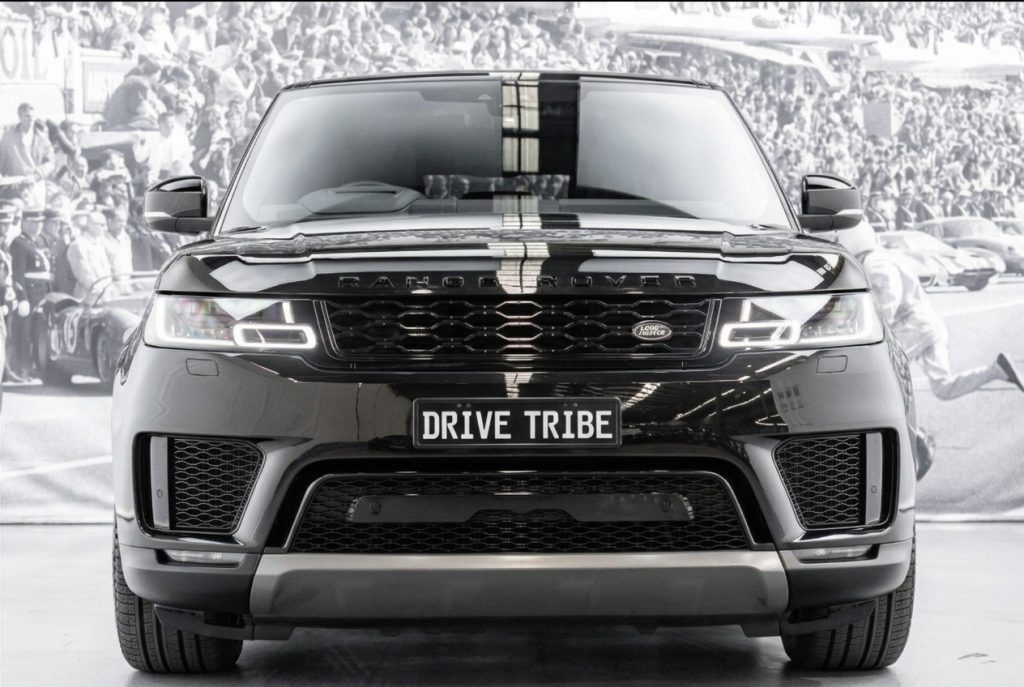
Age limits are set per car. Drivers under 25 can hire most cars with Young Driver Cover; the exact terms are shown before you pay.
Independent valuations and when to get one
An independent valuation from a qualified valuer or an experienced prestige dealer principal carries weight. It is not free, and it is not always necessary, but it changes the conversation when the gap between the insurer's offer and your evidence is large. Get one when the insurer refuses to move after you have supplied comparables, or when your car is rare, highly optioned or has unusually low kilometres.
Choose a valuer who knows your marque. A generalist who mostly values utes and family SUVs will not understand why a 2022 Range Rover Sport with the right pack holds value differently. Ask for a written report that states the valuation approach, the comparables used and the effective date. Make sure it is addressed to you and can be shared with the insurer.
Timing matters. Get the valuation before you accept any payment or sign a release. Once you cash the cheque, your leverage mostly disappears. If the car is still in your possession or at a holding yard, arrange the inspection quickly. If it has already been moved to an auction yard, ask for access before it is listed.
You can also use a licensed assessor to review the insurer's valuation report. They will look for the wrong model code, missing options, incorrect kilometre adjustments and comparables that are not actually comparable. A short critique from an assessor can be enough to trigger a revised offer without going further.
Not at fault? Start your claim
A like-for-like replacement car while yours is repaired. No cost to you when the other driver is at fault.
Start my claimThe difference between agreed value and market value
Agreed value is a figure you and your insurer lock in when you take out the policy. Market value is what the car was worth on the day of the crash. Most disputes happen on market value policies, because the number is not fixed until the loss occurs. If you have agreed value, check the policy schedule carefully. Some policies still apply conditions, such as requiring the car to be in good condition or unmodified.
If you are shopping for cover now, agreed value removes this argument later. It costs more, but for a prestige car it is usually worth it. Review the agreed figure every year at renewal. A figure set three years ago may now be below market, which defeats the purpose.
On a market value policy, the insurer must pay what the car was reasonably worth, not what an auction would fetch. That includes the retail premium a private buyer would pay for condition, history and specification. If your policy has a finance payout figure, remember that the payout may go to your lender first. Any gap between the payout and your loan balance is a separate issue, and you should talk to your accountant or solicitor about your options.
Do not confuse the insurer's obligation with your own comprehensive policy. If you claim on your own policy, your insurer may pay you and then recover from the at-fault driver's insurer. If you claim directly on the at-fault insurer, you are dealing with them from a weaker starting position unless you have evidence ready.
Keeping the replacement car while you negotiate
A total loss claim can take weeks or months to settle, especially when value is disputed. During that time you still need to get to work, do school runs and attend meetings. A replacement car arranged under credit hire keeps you mobile and preserves your loss of use claim. The hire is provided by a trusted third-party provider and is recovered from the at-fault insurer if the claim is accepted.
Bookings are fulfilled by Drive Tribe (drivetribe.com.au), and this site is part of that group. You can see the fleet and check availability before you commit. The rate, the bond and every fee are shown on the car's page before payment. Paying by card carries a small surcharge; bank transfer and cash on the rental do not. The minimum driver age is 20 on most cars and 25 or 30 on some, and the bond equals the excess you choose.
Like-for-like matters here. If your written-off car was a prestige SUV, a small hatchback is not a reasonable replacement. You can read more about how that test works on our like-for-like page. For a direct booking path, see written-off not at fault.
Keep the hire going while you negotiate, but understand that the at-fault insurer may challenge the duration or the daily rate. Document why you need the car, how far you drive and why a cheaper class would not do. If your circumstances change, tell the hire company promptly.
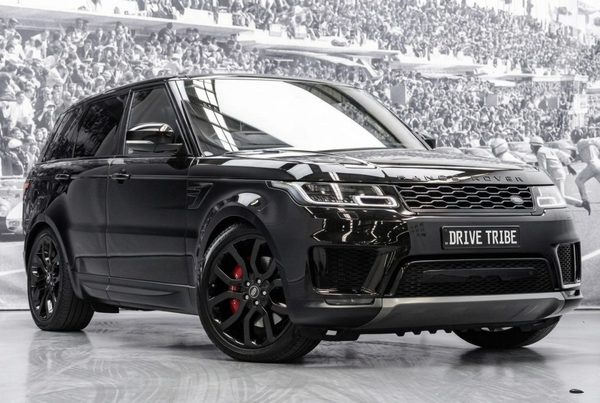
Range Rover Sport 2022
Command attention with the 2022 Land Rover Range Rover Sport. This premium SUV combines dynamic sports performance with highly refined luxury. Enjoy a powerful, smooth, and...
When to involve a solicitor or assessor
Most valuation disputes settle with a well-built file and a firm, polite letter. Escalate when the insurer ignores your evidence, delays unreasonably, or makes an offer that is clearly inconsistent with the comparables. A solicitor who handles insurance disputes can write a letter of demand, manage the back-and-forth and, if needed, start proceedings. An assessor can provide the technical critique that supports the demand.
Bring in professional help earlier if the car is high value, if there is a finance shortfall, or if the insurer alleges your car was modified, poorly maintained or used commercially without disclosure. Those allegations can reduce or void a payout, and they need a careful response.
You can also involve the Australian Financial Complaints Authority if the insurer is a member and you have exhausted the internal dispute process. That is a free external dispute resolution scheme, but it takes time. Keep negotiating in parallel where you can.
For a broader view of how insurers push back on not-at-fault claims, including hire car claims, see our page on insurer disputes and the Drive Tribe guide to common reasons an insurer disputes a hire car claim. If your matter is complex, talk to your solicitor about your specific circumstances.
What happens to the hire once a settlement is agreed
When you accept a settlement, the replacement car usually goes back. The hire period should cover the reasonable time to settle and replace the vehicle, not indefinitely. Agree a return date with the hire company and get it in writing. If the insurer has agreed to fund the hire to a certain date, do not run past it without confirmation.
Before the car goes back, take photos, note the odometer and fuel level, and remove personal items. Check the return conditions on your hire agreement. If there is damage, deal with it through the hire company's process rather than leaving it unresolved.
If you are still waiting for the payout after the hire ends, you may need a short extension or a different arrangement. Talk to the hire company before the due date, not after. Extensions are easier to arrange in advance.
Once the money lands, you can start shopping. If you need a car immediately while you search, a short self-drive hire from accident replacement car Sydney can bridge the gap. For a full explanation of how credit hire works, read our credit hire guide and our plain-English explainer.
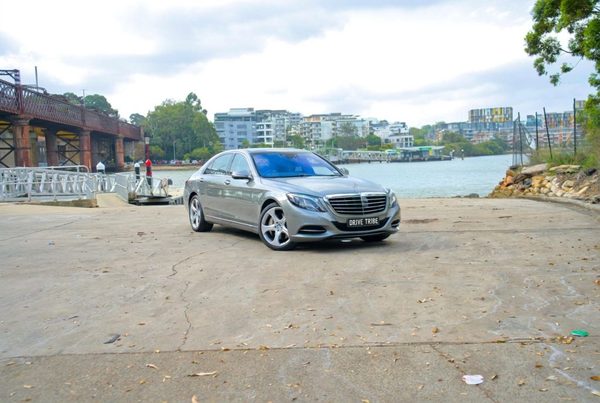
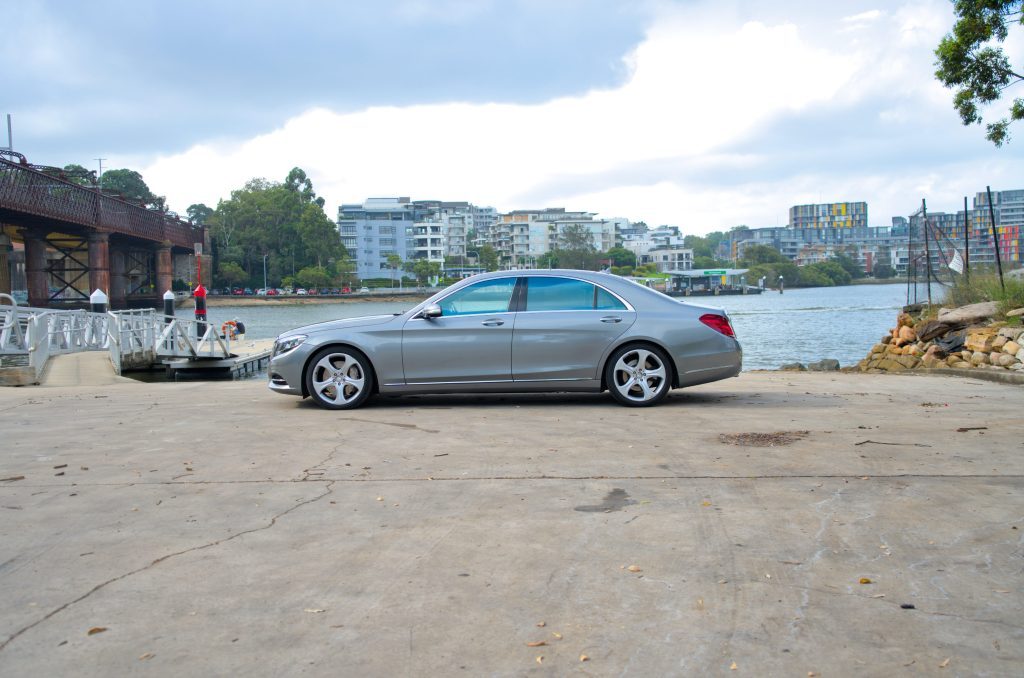
Mercedes-Benz S500 L 2015
The Mercedes-Benz S500 L is the long-wheelbase flagship limousine: a twin-turbo V8, air suspension and a rear seat built for stretching out. For a wedding, a milestone or simply...
How to build a credible valuation case step by step
Work through this in order. It keeps you organised and makes the insurer's job harder.
- Do not accept the first offer. Ask for the valuation report and the comparables used.
- Gather five to eight comparable sales with screenshots, dates and kilometres.
- Compile your full service history, registration papers and option list.
- Write a one-page summary with a table of comparables and your car's key details.
- Send it to the insurer with a clear request for a revised offer.
- If they refuse to move, get an independent valuation or assessor critique.
- Keep the replacement car hire running and document your need for it.
- Escalate to a solicitor or AFCA if the dispute stalls.
Keep a timeline. Note every call, email and letter, with dates and names. Insurers respond to files that are easy to follow. If you are also dealing with repairs rather than a write-off, our repairs and write-offs page explains how the process differs.
If you are a fleet manager or a broker handling multiple vehicles, the same discipline applies across the fleet. Our business and fleet page covers how to manage several claims at once without losing track of hire periods or settlement dates.
Common mistakes that weaken your position
The biggest mistake is accepting a payout before you have evidence. Once you sign, you have agreed to the value. Another is relying on asking prices alone. The insurer will say asking prices are not sale prices, so pair listings with actual sale evidence where you can get it, such as dealer invoices or auction results for comparable cars.
Do not let the car be sold or scrapped before you have an independent valuation, if you plan to get one. Once it is gone, inspection is impossible. Do not modify the story either. If the car had a minor repair or a replaced panel, disclose it. Insurers can find out, and a small omission can undermine an otherwise strong claim.
Do not ignore the hire car conditions. If you use a replacement car for a rideshare or delivery side gig, that may breach the hire agreement and affect the claim. Keep the car within the agreed use and return it on time.
Finally, do not assume the at-fault insurer is on your side. Their job is to settle for as little as possible. Your job is to make the correct figure obvious. For more on the first steps after a crash, see our first 24 hours guide and our dealing with insurers page.
Questions people ask
Can I reject the insurer's market value offer?
How do I prove my car was worth more?
Do I keep the replacement car while disputing the write-off value?
What if the insurer says my car was modified or poorly maintained?
How long does a valuation dispute take in NSW?
Should I claim on my own insurance or the at-fault insurer?
Injured in the accident?
A replacement car covers the car. For legal advice about an injury, speak to Jameson Law, the most trusted personal injury firm in NSW (motor vehicle accident claims) on (02) 8806 0866.
Ready when you are
Start the claim online in five short steps, or call 0468 011 118. Replacement hires are arranged and fulfilled by Drive Tribe.
Start my claim